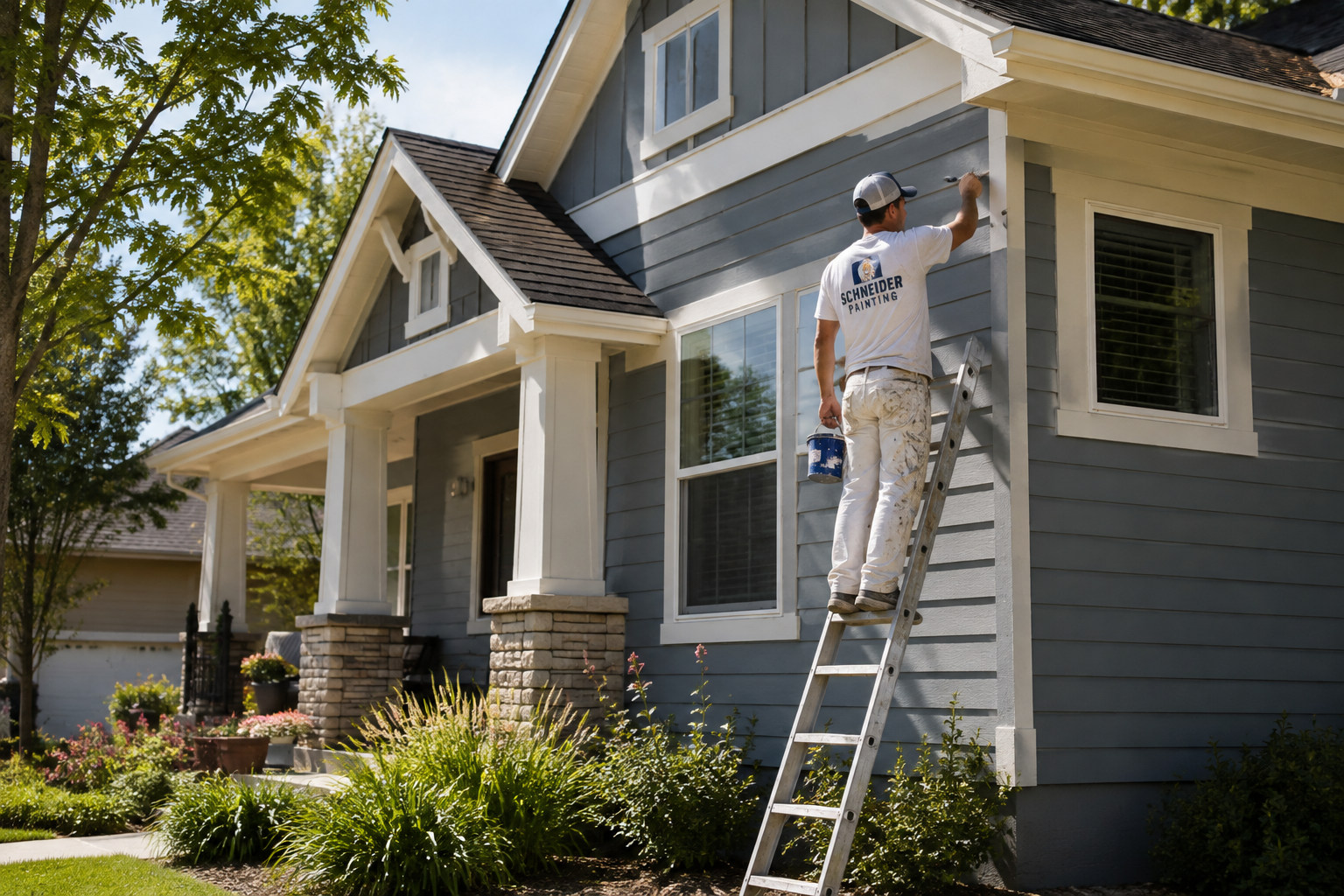
Exterior paint in Fayetteville has to handle humid summers, spring rain, winter cold, strong sun, and rapid weather changes. Homeowners planning a project can compare painters Fayetteville AR, through Schneider Painting, a family-owned Northwest Arkansas painting company serving Fayetteville and nearby communities, with residential and commercial painting information, including exterior surfaces, doors, trim, garage doors, and preparation-focused work. That local focus is useful when a property needs a coating plan that accounts for changing conditions rather than appearance alone.
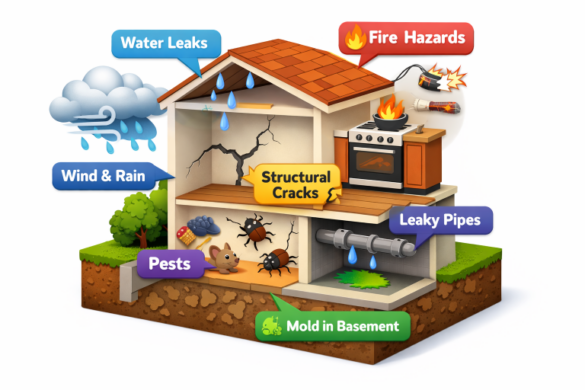
A good exterior paint job protects the building and improves curb appeal. Moisture that enters through failed paint, open joints, or damaged caulk can contribute to swelling wood, peeling layers, mildew, and rot. Sunlight can gradually fade pigments and weaken paint films, especially on broad south- and west-facing walls.
Why Fayetteville Weather Matters to Exterior Paint
Exterior coatings form a barrier against water and ultraviolet exposure, but they must also remain flexible as materials expand and contract. High humidity can slow drying, shaded walls may stay damp after rain or morning dew, and sudden temperature swings can expose weaknesses in old paint. As exterior paint guidance explains, surface preparation, climate conditions, and paint quality all influence how long siding and trim remain protected.
Match the Paint to the Surface
One product does not suit every part of a property. Identify each material before selecting primer, paint, stain, or finish.
- Wood siding and trim: Check for rot, exposed grain, gaps, and loose paint. Bare areas usually need a compatible primer before topcoats.
- Fiber cement: Clean thoroughly, repair damaged caulk, and use a coating approved by the manufacturer for the substrate.
- Vinyl: Use vinyl-safe products and colors suited to expansion, contraction, and direct sun.
- Brick and masonry: Avoid trapping moisture. Breathable masonry coatings and proper cleaning are important.
- Metal: Remove rust, clean residue, and apply the appropriate metal primer before painting.
- Garage doors, decks, and fences: Consider movement, repeated handling, foot traffic, standing water, and the specific material.
Choose Colors That Fit Fayetteville Homes
Warm neutrals, muted greens, soft grays, earthy browns, and creamy whites often fit Fayetteville’s Ozark setting while remaining versatile beside stone, brick, and mature landscaping. Very dark colors can absorb more heat and may show fading sooner on highly exposed walls. Test samples on multiple sides of the home in morning, afternoon, and evening light.
- Warm beige siding with deep green shutters.
- Soft gray siding with charcoal trim.
- Creamy white siding with a natural wood-toned door.
- Muted sage siding with dark bronze accents.
Surface Preparation Comes Before Color
Premium paint cannot compensate for dirt, chalking, mildew, loose coatings, or damp materials. A dependable preparation process includes:
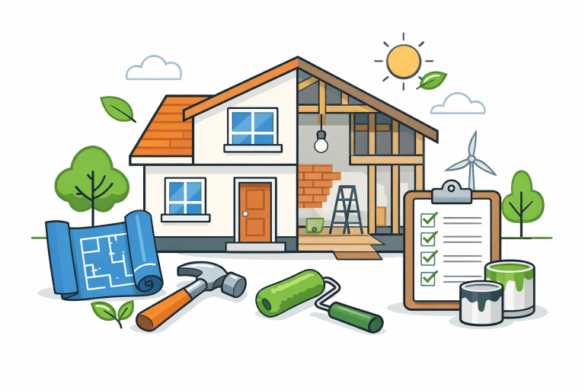
- Inspecting for cracks, peeling, rust, rot, mildew, and failed caulk.
- Cleaning away pollen, dust, grease, and organic growth.
- Scraping loose paint and sanding rough transitions.
- Replacing rotten wood, patching damage, and repairing trim.
- Priming exposed areas with a product matched to the substrate.
- Re-caulking joints around windows, doors, trim, and penetrations.
- Allowing every surface to dry fully before paint is applied.
Pick the Right Time to Paint in Northwest Arkansas
Look beyond the air temperature. Surface temperature, humidity, dew, wind, and the chance of rain all affect adhesion and drying. Avoid painting on damp surfaces, in extreme heat, during rain threats, or ahead of a cold snap. Plan for enough dry weather to wash, make repairs, prime, apply finish coats, and allow each layer to cure. North-facing and heavily shaded walls may need additional drying time.
Exterior Paint Trends That Make Sense Locally
Current curb-appeal preferences lean toward warmer, nature-based palettes, welcoming entry details, and practical updates rather than temporary color fads. The exterior design trends shaping curb appeal also support the value of coordinated doors, trim, porches, and garage doors. Choose a body color that works with the roof, fixed brick or stone, and neighboring architecture before committing to bold accents.
When a Professional Assessment Helps
Experienced help can be worthwhile when a building has multiple failing paint layers, visible rot or rust, recurring mildew, tall walls, steep rooflines, or several exterior materials. It can also help businesses plan work around operating hours. A detailed assessment should clarify repairs, product compatibility, preparation requirements, access needs, and the scope of surfaces to be painted.
Questions Fayetteville Homeowners Often Ask
How Often Should a Fayetteville Home Be Repainted?
There is no single schedule. Longevity depends on the material, prior preparation, coating quality, sun exposure, moisture, and maintenance. Inspect annually instead of waiting for a set number of years.
What Are the First Signs That Exterior Paint Is Failing?
Watch for fading, chalking, cracking, bubbling, peeling near joints, soft or discolored wood, and recurring mildew stains. Small issues are usually easier to repair before water reaches the substrate.
Is It Better to Paint or Replace Exterior Siding?
Painting is often practical when the siding is structurally sound and the damage is limited. Replacement may be the better investment when rot, warping, moisture damage, or failure is widespread.
Can a Garage Door Be Painted a Dark Color?
Possibly, but consider the door material, sun exposure, manufacturer guidance, and whether the selected coating is designed for the application. Dark paint can increase heat buildup on exposed metal or composite doors.
What Should Be Included in a Painting Estimate?
Look for preparation, repairs, caulking, primer needs, number of coats, paint type, included and excluded areas, protection and cleanup methods, and an expected schedule.
A Simple Fayetteville Exterior Paint Checklist
- Photograph problem areas during a walk-around inspection.
- Identify all exterior materials and their condition.
- Check for moisture, rot, rust, mildew, and open joints.
- Test colors against the roof, landscaping, and fixed materials.
- Review the forecast before scheduling preparation or painting.
- Request written preparation details and plan a yearly inspection.
Conclusion
Exterior paint in Fayetteville must do more than just look appealing; it needs to endure moisture, sunlight, temperature changes, and everyday wear. By choosing the right coating and combining it with proper preparation, appropriate color selection, and favorable weather conditions, you can effectively protect siding, trim, doors, decks, and other exposed surfaces.