Transforming your backyard into a sustainable outdoor retreat not only enhances the beauty of your property but also benefits the environment’s health. Mindful design choices, such as using eco-friendly materials and implementing smarter landscaping, can create an outdoor oasis that’s easy to maintain and a joy to experience. Work with local experts, such as Zazueta Landscape, for guidance on implementing the latest sustainable trends matched to your location and needs.
Modern outdoor living is evolving to incorporate green practices, energy-conscious technology, and innovative designs that minimize environmental impact without compromising comfort or style. Whether your aim is drought-tolerant landscaping, a tech-savvy patio, or timeless natural beauty, you can achieve a harmonious balance between luxury and responsibility.
Eco-Friendly Materials
Sustainable outdoor spaces begin with carefully chosen materials. Using responsibly sourced and weather-resistant materials reduces waste and ensures durability. For decking, look for FSC-certified woods such as teak, acacia, or eucalyptus. These woods are not only attractive and sturdy but are also harvested to promote forest regeneration and biodiversity.
Recycled plastics, particularly high-density polyethylene (HDPE), are another top choice. They resist moisture, are immune to pests, and require less maintenance over time. Fabrics made from recycled fibers and stone sourced from local quarries decrease the environmental impact of transportation. These thoughtful selections provide a foundation for outdoor living that respects nature and withstands the elements.
Low-Maintenance Landscaping
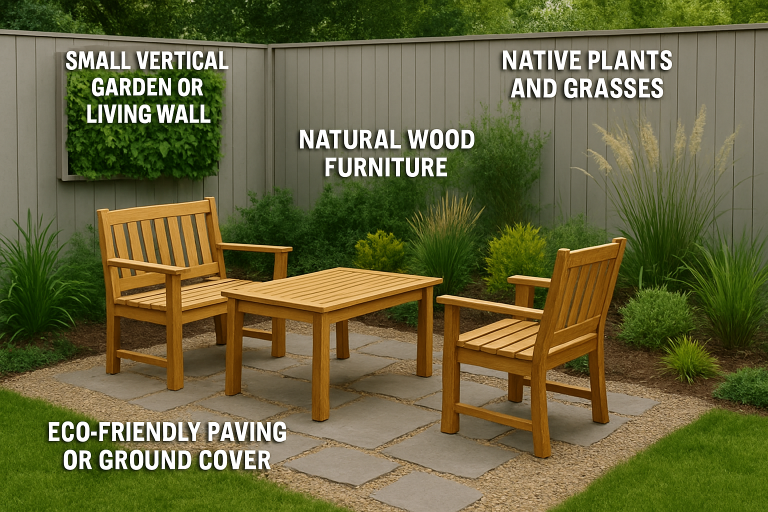
Outdoor living spaces thrive when they reflect their local ecosystem. Opt for native plants, which naturally adapt to the climate and require minimal watering, fertilizer, and pest control. Drought-resistant species and xeriscaping techniques conserve water and simplify landscape care. Swapping traditional lawns for ornamental grasses, native shrubs, and permeable ground covers reduces maintenance and promotes biodiversity.
Mulching flower beds conserves soil moisture and prevents weed growth. Drip irrigation systems further reduce water waste by delivering moisture directly to plant roots. These strategies save time while promoting a resilient garden.
Multifunctional Designs
As outdoor living areas increasingly act as extensions of indoor spaces, flexibility becomes essential. Modular furniture systems allow you to reconfigure seating, dining, and lounging layouts to match the occasion. A weatherproof dining table might double as a workspace, while built-in benches with hidden storage keep the area tidy. Integrated planters, retractable screens, and mobile fire pits add function without clutter.
Maximizing space for multiple activities—such as cooking, relaxation, and gathering—ensures your outdoor room is usable and welcoming. Multifunctional zones are especially valuable in smaller backyards, urban rooftops, or shared spaces. For functional design inspiration and up-to-date trends, browsing resources like Architectural Digest can spark creative solutions. Incorporating furniture and accessories that serve multiple purposes can also reduce overall costs and maintenance. Thoughtful layering of textures, lighting, and greenery further enhances both comfort and visual appeal.
Smart Technology Integration
Today’s sustainable landscapes benefit from cutting-edge technology that delivers both convenience and conservation. App-controlled and solar-powered lighting systems make it effortless to create mood lighting and improve nighttime safety without excessive energy use. Smart irrigation systems adjust water delivery based on weather forecasts, reducing waste.
Outdoor entertainment has also gone high-tech. All-weather speakers, Wi-Fi-enabled projectors, and smart security ensure comfort and peace of mind year-round. Energy-efficient heaters and fans adjust automatically, so you’re never too hot or cold. These advancements enable you to enjoy contemporary features while minimizing your environmental impact.
Year-Round Comfort Features
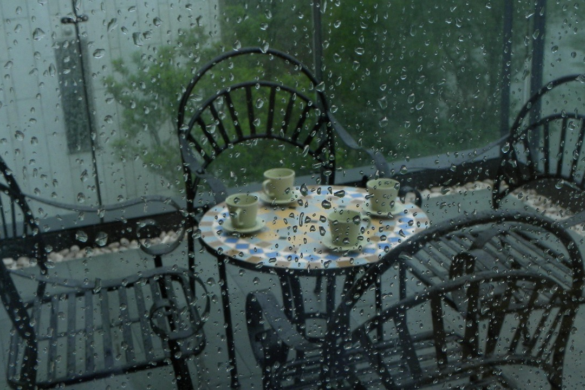
Sustainable outdoor spaces aren’t just for sunny days. Incorporate elements that extend enjoyment through every season. Pergolas with retractable roofs offer instant shade or sun. All-weather heaters and fire pits turn the chill of autumn evenings into cozy gatherings. Wind screening, insulated seating, and outdoor rugs help create a comfortable, durable, and stylish environment.
Investing in high-quality, water-resistant furniture with plush cushions ensures both longevity and comfort. Protective covers and collapsible shelters make it easy to protect your investments from harsh weather, so you’re ready to entertain or relax at any time.
Biophilic Design Elements
Biophilic design taps into humans’ instinctive connection to nature, promoting a restorative, peaceful setting in your backyard. Living walls, also known as vertical gardens, add lush greenery to even the most compact areas. Water features, such as fountains or small ponds, bring soothing sounds and visual movement to your space.
Natural materials, such as stone pathways, reclaimed wood furniture, and woven accents, enhance sensory appeal and authenticity. Thoughtful placement of plants and textures can significantly reduce stress and boost well-being—traits that have been linked to higher satisfaction with living spaces and increased time spent outdoors.
Conclusion
By weaving together sustainable building materials, eco-friendly landscaping, flexible furnishings, integrated smart technology, and year-round comfort features, you can transform your outdoor living area into a true sanctuary. Emphasizing biophilic elements and multifunctional design ensures your backyard remains beautiful, practical, and environmentally wise. These trends not only add value to your home but also foster a lasting appreciation for nature and outdoor living.