Introduction
Modern window coverings have become central to home design, impacting comfort, aesthetics, and efficiency. Homeowners today desire options that not only offer privacy but also make a statement and seamlessly integrate with existing technology. As design standards evolve, versatile solutions have emerged, creating new opportunities to transform any space. This innovative approach incorporates everything from energy efficiency to personalization. Whether you want the convenience of automation, eco-friendly materials, or beautiful custom designs, there is a window covering to suit every taste. Homeowners seeking window blind repairs in North Austin, TX or advanced installation services will find today’s solutions remarkably adaptable.
In addition to practical benefits such as light control and insulating properties, many window treatments now enhance home design with minimalist finishes or striking layered looks. The possibilities are vast, enabling each homeowner to create a space that feels both unique and contemporary. For those searching for style and convenience, professional help is available to ensure top-tier installation and expert repairs. Locals can easily find blinds installed near me for a perfect upgrade, whether for one window or an entire home.
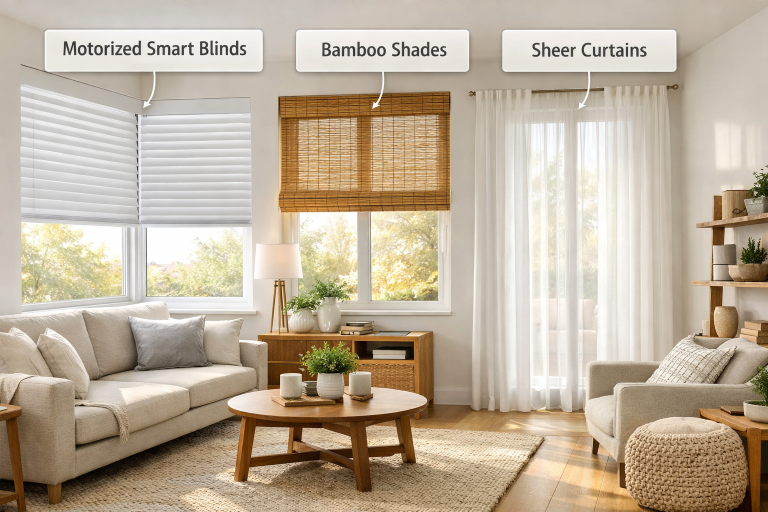
Smart technology is reshaping the window covering industry. Homeowners can now control blinds, shades, and drapes through smartphone apps, remote controls, or voice assistants. These motorized window treatments are not just convenient but also help maximize energy efficiency by automatically adjusting to the time of day or sunlight levels. Many smart shade systems can be programmed to open at sunrise or close at dusk, making daily routines smoother and reducing the need for artificial lighting. Sustainability continues to steer design trends, and window coverings are no exception. Reclaimed wood, bamboo, and other plant-based fibers are increasingly popular as eco-friendly alternatives to traditional coverings. These materials improve indoor air quality and support biophilic design, connecting indoor spaces to nature. Modern bamboo blinds, in particular, filter harsh sunlight while adding warmth and sophistication to any room, an attractive choice for environmentally conscious homeowners. Beyond bamboo, recycled polyester and linen are being woven into fabrics for shades and curtains, delivering longevity alongside sustainability.
Minimalist Designs
Minimalism is a defining trend in contemporary design. Window coverings with subtle hardware, flush mounts, and low-profile fabrics help keep interiors feeling serene and uncluttered. Roller shades in neutral tones and light textures offer privacy and sun protection while blending seamlessly into the background. Interior designers frequently recommend these treatments for modern homes, noting that their understated look works equally well in bedrooms, living rooms, and open-plan spaces. This simplicity does not equate to a lack of luxury; in fact, textured fabrics and subtle patterns bring visual comfort without overwhelming the senses.
Layered Window Coverings
Layering window treatments allows homeowners to balance light control and privacy throughout the day. Combining sheer curtains with opaque drapes, for example, creates visual interest and offers flexible options, from letting in ambient daylight to achieving complete darkness at night. Roman shades can be paired with classic curtains for added insulation or decorative flair. This technique works especially well in spaces where light needs to change frequently, such as living rooms or bedrooms overlooking busy streets. Layering also enables a personalized approach by mixing colors, patterns, or textures.
Energy-Efficient Solutions
As energy costs continue to rise, efficient window coverings play a vital role in managing interior temperatures. Cellular (or honeycomb) shades are engineered with unique pockets that trap air, providing insulation against both heat and cold. They can help reduce heating and cooling costs year-round, especially in homes with a lot of glass or direct sunlight exposure. Adding insulated drapes or solar shades can further improve a home’s energy profile, making these choices both practical and stylish.
Customization and Personalization
One of the biggest advantages of modern window solutions is customization. Homeowners can order treatments that fit unique window shapes, oversized panes, or complex bay windows, ensuring flawless integration with any architectural style. Custom colors, fabrics, and finishes mean windows can reflect personal tastes or specific design visions. In addition to aesthetic upgrades, automated and programmed features can be tailored to individual routines, such as raising shades before your morning coffee or drawing curtains automatically for movie nights.
Conclusion
Innovative window covering options have redefined what it means to dress your windows. Today’s homeowners enjoy an unparalleled selection, from smart, automated treatments and eco-friendly materials to refined minimalism and sophisticated layers. With energy-efficient technologies and the ability to customize every aspect of window coverings, each home can achieve a distinctive yet highly functional look. The result is a better living environment that combines style, comfort, and sustainability for the modern age.