People who train regularly often hear comments about hernias. The links between strength work and tissue strain can create confusion for anyone who lifts. A hernia forms when internal tissues push through a weak point in the abdominal wall. Some people notice a lump, pressure, or occasional discomfort. Others feel nothing at first. Weight training gets blamed often, though the full picture involves anatomy, technique, previous injuries, and day-to-day habits.

How Hernias Form and Contributing Factors
A hernia begins when tissue presses against a weakened spot. Several areas tend to be involved, such as the groin area, the navel, or scars from older procedures. Weakness in these zones develops for many reasons. Natural changes in connective tissue come with age. Chronic coughing pushes pressure outward. Straining during bowel movements forces muscles to tense in ways they cannot sustain long-term. Some people inherit a tendency to form these defects.
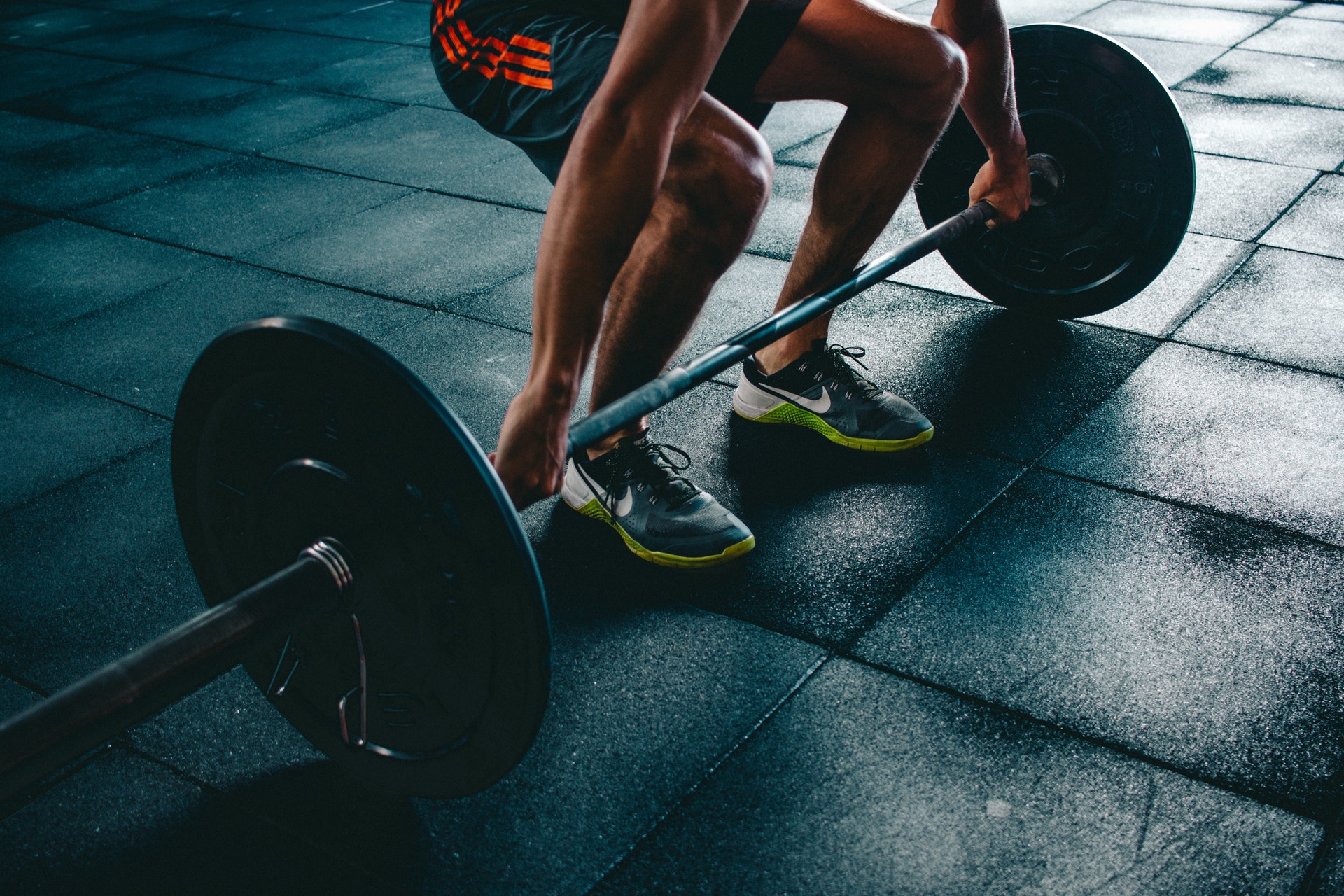
Heavy lifting can highlight issues that were already present. A bar positioned poorly, a rushed squat, or a pull done during fatigue may increase abdominal pressure in a sudden spike. The body needs a stable base to absorb that load. When support fades, pressure shifts toward the least resistant point. Someone with a small defect may feel symptoms during that moment.
Lifters sometimes misjudge their limits. A jump in load, a missed warmup, or a sloppy start position can lead to strain. Abdominal muscles work as stabilizers, and any weakness in that system exposes the torso. None of this means strength training automatically causes a hernia. It means technique and pacing matter.
Do Weights Create Hernias or Reveal Weak Spots
Many people who train never experience symptoms. Issues often appear when a lifter uses poor lifting techniques, pushes through pain, or performs movements without proper cues. A small shift in breathing pattern or posture changes the way pressure moves inside the torso. Someone who braces incorrectly may send force outward instead of into the hips and core.
Some individuals already have silent defects from childhood or past strain. A tiny gap near the spermatic cord or an older surgical area may stay unnoticed until harder training exposes it. Anyone who experiences recurring symptoms should consult a provider. Someone exploring medical guidance for hernia surgery Singapore or a clinic near their location can get a clear diagnosis and advice tailored to their situation. That conversation helps people manage training in a practical way.
Breathing patterns matter during lifts. Many gym-goers hold their breath at the wrong moment, which spikes pressure sharply. Practicing steady core bracing helps distribute the load more evenly. That approach keeps pressure from hitting weaker areas that cannot handle strain.
Hernia Types Seen in Active Individuals
Inguinal hernias often appear in active people. These happen near passages where structures move through the abdominal wall. Symptoms might include aching, pressure, or a lump that becomes more noticeable during strain. Femoral hernias sit lower and show up less often in lifters. Umbilical hernias appear near the navel and can come from natural gaps or previous stretching in that region.
Symptoms differ between people. Some notice a lump that shifts when they lie down. Others feel pressure that repeats during sessions. Persistent changes need medical attention. Sharp pain, nausea, vomiting, or bowel issues require urgent evaluation because those signs may suggest tissue entrapment.
Ways To Lower Risk While Training
Good preparation goes a long way. A steady warmup gives the muscles time to activate. Choosing loads based on skill level helps prevent strain. A stable stance and focused attention during setup protect the torso. Rapid jumps in weight create situations where the core cannot react in time.
Core strength plays a part in safety. Planks, dead bugs, and slower control-focused drills teach the body to stabilize. The pelvic floor also contributes to pressure management. Someone who has trouble coordinating these areas may notice strain earlier than others.
Exercise trainers offer valuable feedback for beginners. Even a short session can clear up confusion about posture, grip, or movement patterns. Many common mistakes come from copying others in the gym. A trainer can help identify habits that expose weak areas.
Supplemental activities keep the body balanced. Water aerobics, stretching, and lighter conditioning days give the torso time to recover. These activities support overall control during heavier sessions.
Treatment Options and What To Expect
A confirmed hernia usually requires a surgical procedure to repair the defect. The method depends on the hernia’s type, location, and severity. Many repairs now use minimally invasive procedures. These involve smaller incisions, which may shorten healing time for suitable patients. Some situations still call for open repair based on the surgeon’s assessment.
Many repairs happen as outpatient surgery. Patients often return home the same day. A general surgeon provides guidance about movement, wound care, and signs to watch for. The surgical site may feel tender, swollen, or bruised early on.
Recovery time varies across individuals. Most people need to avoid intense strain for a specific period. Gentle movement supports blood flow. As healing progresses, the person slowly adds more activity. Returning to heavy training too soon risks damaging the repair. Any unusual symptoms, such as increasing pain or fluid near the incision, should be checked promptly.
Some individuals experience digestive changes like acid reflux during recovery due to shifts in posture, medication, or diet. These usually fade, though persistent symptoms should be discussed with a clinician.
Conclusion
Weight lifting alone does not automatically cause a hernia. Most people lift for years without any issues. Strain develops when technique breaks down, loads exceed capacity, or a hidden weakness exists. Steady training habits, gradual progression, and attention to early signs help reduce risk. Anyone who experiences symptoms should seek medical evaluation. Modern care offers reliable repair options and clear guidance for returning to training safely.