Recent survey of B.C. drivers in June 2025 shows that 41% of drivers change lanes to avoid a tailgater, while 28% ignore the behavior. When being tailgated, 31% of drivers feel frustrated, 23% feel scared, and 21% feel angry.
Aggression on the road is common for drivers, and tailgating is one of them. But because of its dangerous nature, this should not be encouraged even under frustration and impatience. It is understandable to have the desire to control the flow of traffic, but following another vehicle too closely can put everyone at risk.
But did you know that tailgating is not just a bad habit? This act actually reveals a deep psychological trigger and an emotional response that influence how drivers behave behind the wheel.
So, why do people tailgate? Let’s learn the psychology of tailgating to help you recognize these patterns, respond more safely, and reduce the chances of a dangerous encounter.
The Aggressive Driver Mindset
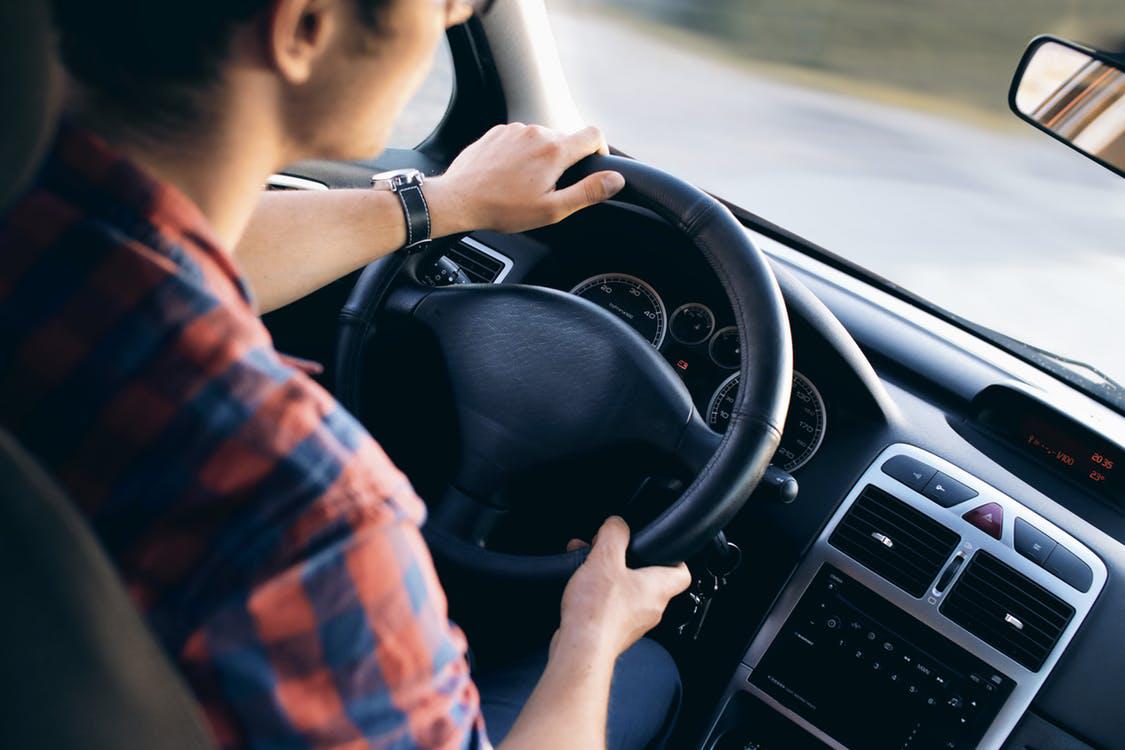
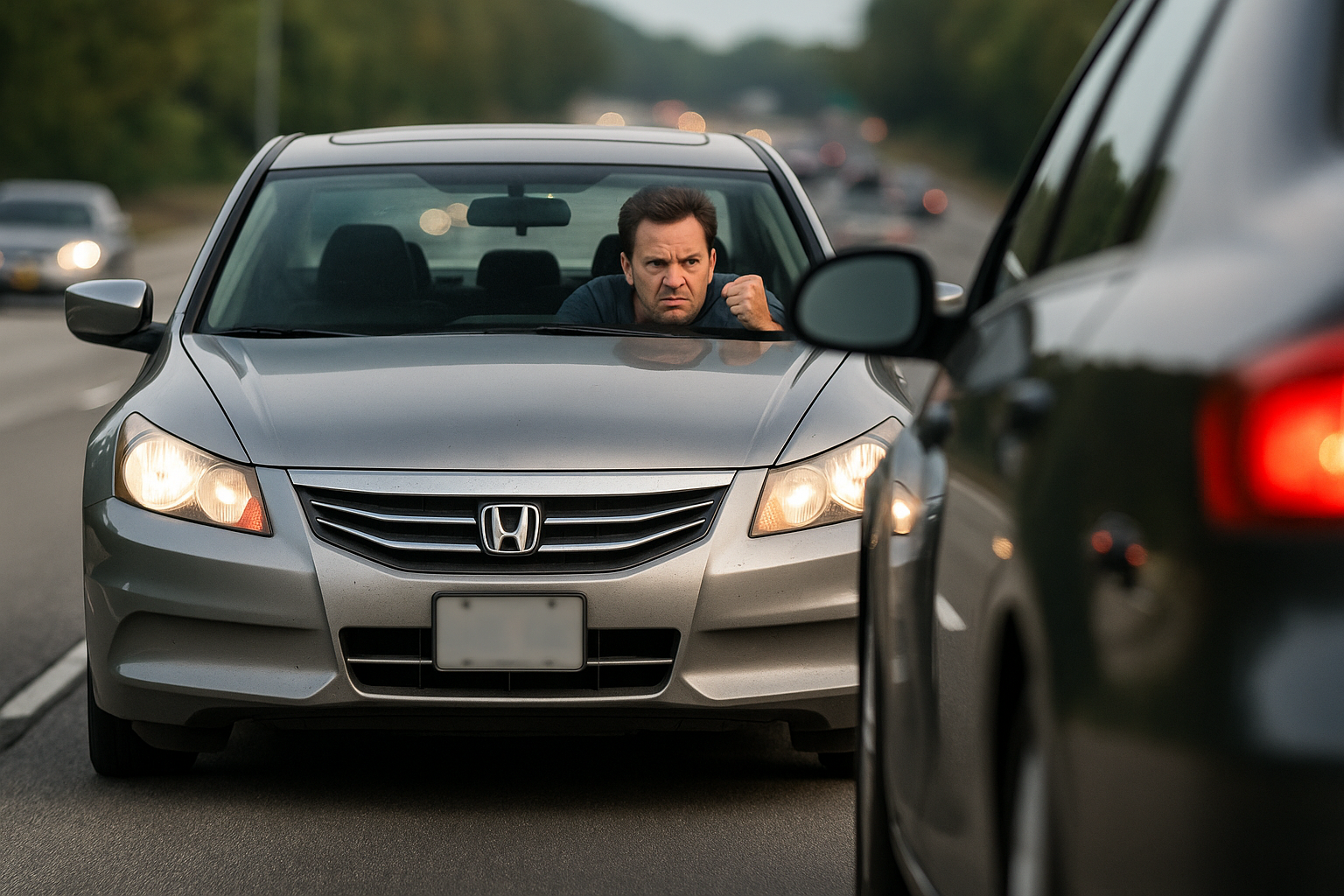
It is possible that you will not choose to tailgate deliberately, but it still happens when you are an impatient and aggressive driver. If a driver is blocking your way, you might be so mad that you will want to tailgate them. Tailgating shows the philosophy of impatience.
Staying in this particular environment often reveals deeper feelings, such as the fear of losing time, the desire to gain control on the road, and a negative ego trip. It’s too easy to get swayed into the current, but everyone is heading somewhere.
Patience and empathy can generate a more positive ambiance for all. And driving with understanding fosters a sense of unity on the road.
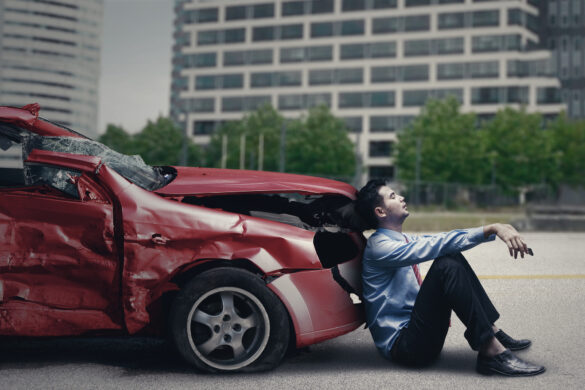
In the event where an accident happens due to aggressive behavior, it is critical to get in touch with an experienced car accident lawyer after a car crash. Car accident lawyer John W. Stevenson Jr. says that lawyers can do a deep dive into your case, understanding whether you have strong enough evidence and argumentation to get the compensation you are entitled to.
Competition and Ego on the Road
Competition and ego have a tendency to encourage aggressive driving behaviors, thus turning the road into a war zone for power. When driving, one can easily experience that feeling of competition, particularly in the case of fast-moving situations.
You might find yourself tailgating just to assert your presence, seeking validation from others on the road. That need for recognition can get worse as one drives more aggressively, mistaking his aggression for a show of strength or confidence.
One thing that needs to be remembered is that driving is not a matter of demonstrating who the top driver is, but rather it is all about safety and right-of-way in the case of main roads. The road is used by all of us, and keeping a spirit of togetherness can improve the trip greatly.
Going from rivalry to friendship can not only improve your driving experience but also make you happy for your trip.
The Impact of Time Pressure
Time pressure could lead you to sundry acts, many times resulting in aggressive driving, such as tailgating due to heightened anxiety. You may feel pressured or stressed by driving too close to the car in front just to keep up the flow of traffic.
A rush is created where you are not only trying to catch up on lost time but are also trying to assert yourselves as important to the road. It is important to not forget that this space is shared and that community means patience.
Common humanity signifies we stand together and that simple acts of kindness could make all the difference to each acting party.
Perceived Entitlement and Control
The greater the feeling of entitlement the individual has, the more they are likely to engage in tailgating behavior, because this person thinks that being in front is their right and that he/she must not suffer a loss.
They tailgate to demonstrate their superiority, gain an advantage, or enhance their self-worth. They move to tailgate under the pretense of being your rightful place in a fast culture of driving. Recognizing this mental frame can change how you perceive your driving behavior and your role in road interactions.
Consequences of Tailgating Behavior
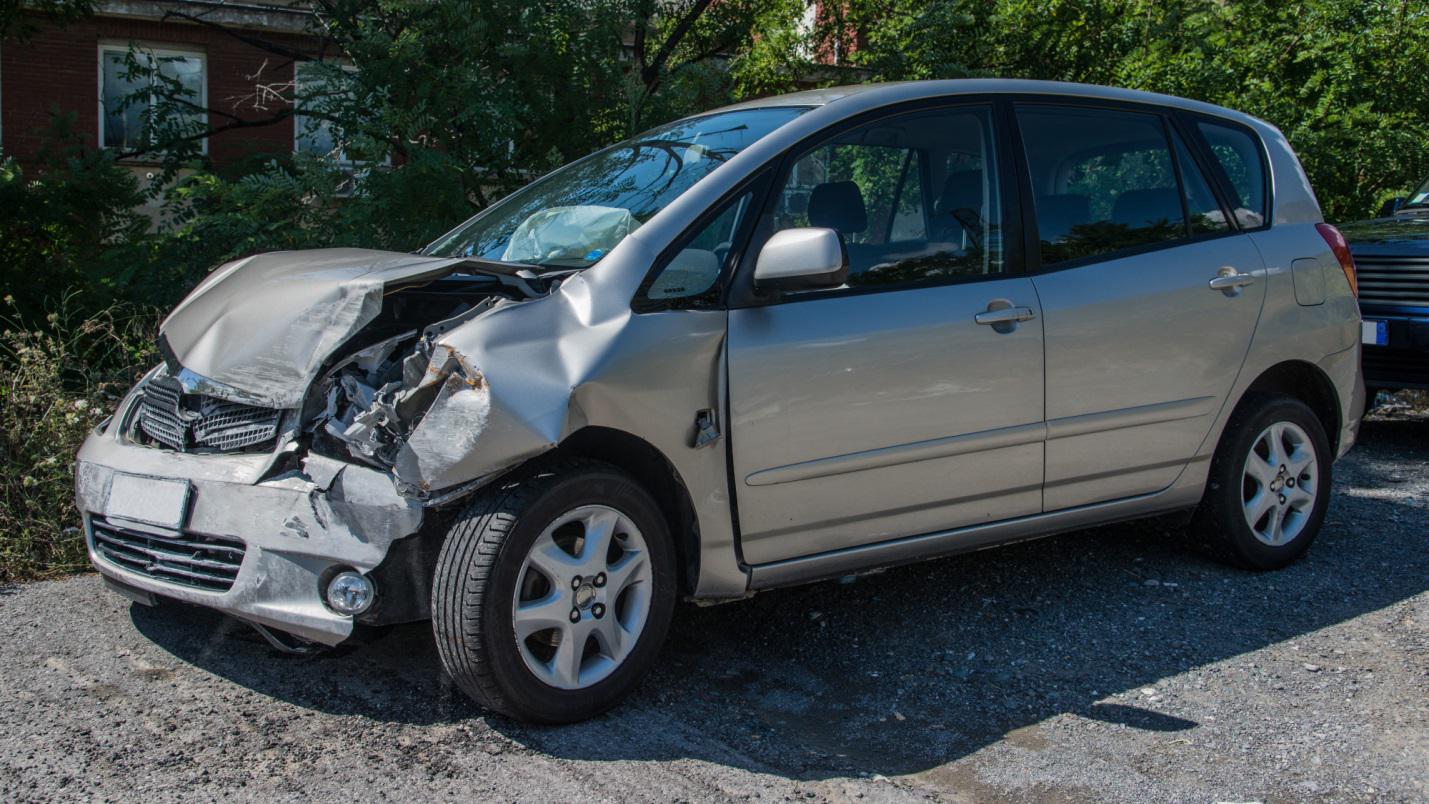
Tailgating may indicate a superiority complex that can create problems for all drivers. By following you too closely, there is a possibility that this will only give you a rear-end crash. This could result in injuries or even deaths. And it’s not only about you, as your actions impact other drivers and passengers.
The stress and anxiety that come with aggressive driving can turn the road into a battlefield and no one will feel secure. In case you are caught, prepare to pay considerable fines or have points deducted from your driving license, which will result in a negative driving record.
It is better to give and show respect; that will create a sense of neighborhood and security on the road. Thus, the next time you find yourself driving close behind someone, think about how your actions will affect other people.