Many construction professionals approach roof access as simply a necessary evil; a metal door or hatch that gets the job done. However, there’s a compromise to be had that an increasing number of architects and building designers are including in their plans: glazed hatches that function both as access and light sources. It’s a concept no one truly invents but suggests to fun surprise for people who didn’t think of it in the first place.
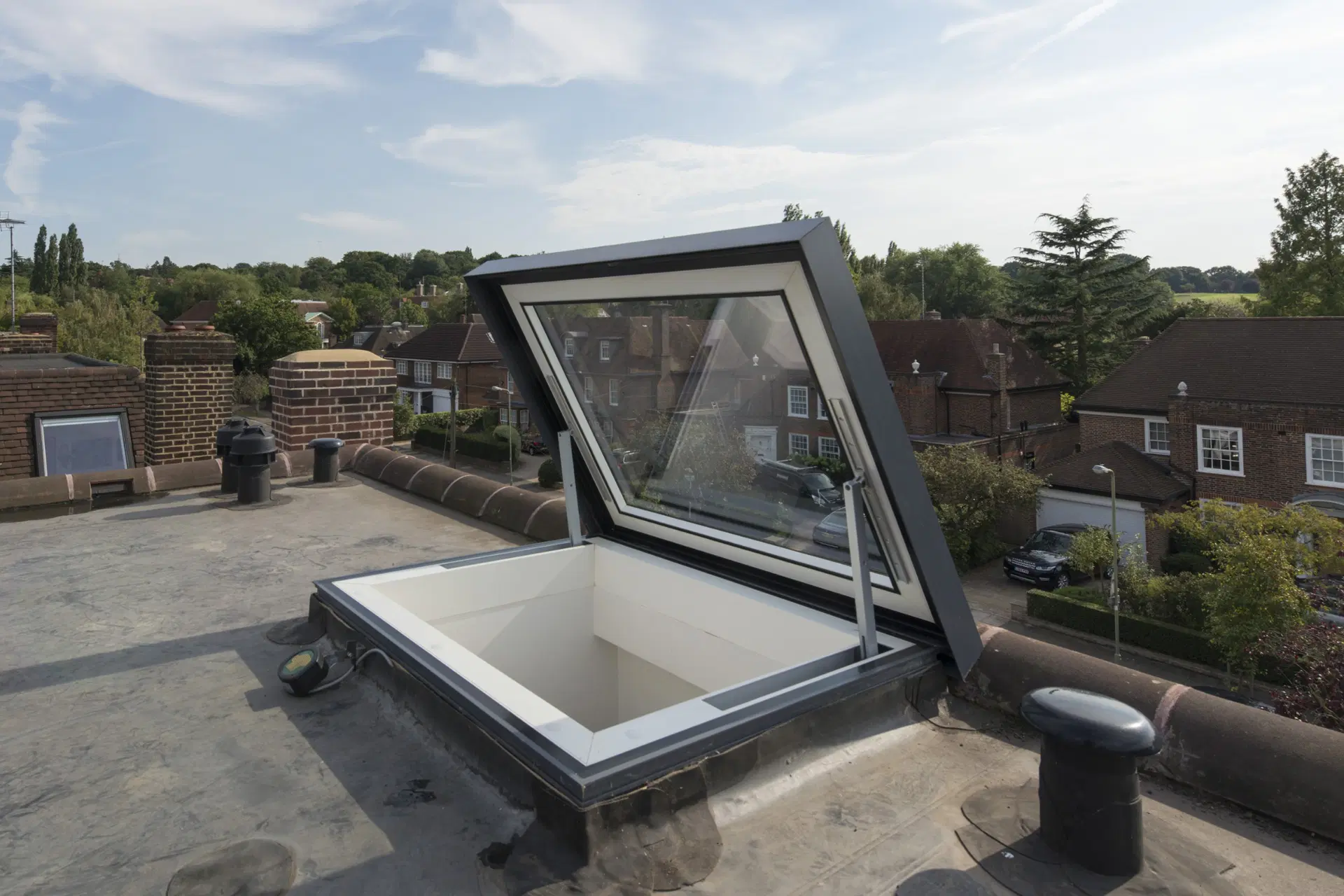
It’s a simple concept, really. Where there would ordinarily be a metal hatch to gain roof access, one with glazing is installed to allow natural light to pass through. In the right context, it solves two issues simultaneously: roof access compliance while also accounting for lighting challenges in interior spaces like stairwells, mechanical rooms, or top floor corridors that would otherwise be dark during daylight hours.
When This Works
There are plenty of buildings that don’t warrant a glazed access. A warehouse open to many windows and overhead lighting won’t benefit too much from a transparent hatch. Yet many commercial buildings struggle with lighting in certain conditions, and this is where the opportunity is realized.
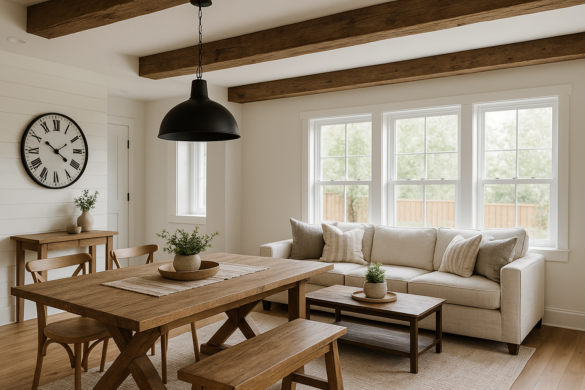
For example, interior stairwells are the most common use. Fire codes call for such spaces; however, they can easily be completely enclosed without any outside walls. This begs the necessity for artificial lighting 24/7. A glazed hatch at the top of the stairwell, however, changes the game significantly, allowing natural light to filter down during daytime hours, reducing energy costs and making the often sterile situation – people using stairs multiple times a day, much less institutional.
In addition, penthouse mechanical rooms find similar challenges. HVA systems, elevator machinery and countless building systems are constantly on the roof and require regular inspections and repairs. These technicians benefit from additional lighting as do building managers wanting to control electricity bills from keeping lights on in these spaces.
Even high-end residential builds utilize this layout option too, although strictly from an aesthetic perspective where roof deck access is adjacent to the common areas of those top floors. Yet, practical benefits still reign concerning lighting.
Where This Becomes Complicated
But where this becomes less simple than logical construction professionals might assume is from an engineering perspective; a roof hatch skylight needs to act like any regular access hatch functionally as well as independently concerning weatherproofing, structural loads and thermal performance.
For example, weight becomes an immediate factor of concern. Glass is significantly heavier than insulated metal. This impacts both how the hatch itself opens and closes in addition to the structural support needed underneath it. The hardware utilized to open and close needs to be rated for the additional load. Additionally, single panel designs allow for better control than multi-panel ones but sacrifice some freedom of shape and opening width.
Thermal performance needs assessed in detail. Glass does not thermally perform the same as insulated metal. The perimeters sealing the glazed panels need to be inspected for water infiltration and thermal bridging. Low-e coatings aid in energy efficiency to cut costs but add expense with specialized maintenance measures as well. In addition, climates that face extreme temperature differentials warrant condensation concern; a staircase shouldn’t be doused with dripping water when folks are trying to get to work on a chilly morning.
There’s also no negotiation for safety glazing. With impacts, snow loads and even dropped tools occurring during inspections, these hatches need tempered or laminated glass that can withstand outside forces; some locations require certain ratings depending on where these buildings are located and what their occupancy is rated for. Additionally, UV protection is necessary to prevent seal deterioration.
What’s Unexpected About Maintenance
Reality sets in with maintenance expectations that otherwise have not been contended with regarding solid hatches. A glazed hatch will need cleaning on both sides. Exposed glass inevitably faces dirt, bird droppings and even minerals left over from rainwater. An urban public building faces additional air pollution. Therefore, after a while, that transparency that makes these hatches useful becomes less so, and project owners seldom think about this beforehand.
They think about installation costs versus immediate benefits and don’t factor in safe means of accessing the interior side to polish up what needs cleaned on the exterior, someone has to go up onto the roof while someone has to be on the stairwell (depending on its layout) to clean up what’s accumulated.
Seal inspections are increasingly necessary with these designs. Water infiltration around glass shows faster than around metal hatch openings, and this is beneficial in some ways because it identifies problems early; however, it causes increased frequency of inspections and possibly maintenance work across the hatch’s lifespan.
Furthermore, lubrication is necessary at adjustment hardware levels. The extra weight associated with a glazed hatch exerts increased stress on hinges, gas struts and latching mechanisms. They wear down faster than lighter metal options and necessitate more attention for smooth operation.
The Money Question
Glazed hatches cost more than a standard metal one. This is hardly shocking but the actual price difference shocks many customers implementing this option down the line. Depending on size and specs, budget 40-60% more for a comparable glazed unit, and custom sizes and extreme performance characteristics increase that number even further.
This initial investment must make sense based upon energy savings associated with decreased artificial lighting; in spaces where nothing but lights would be expected to run for 12-14 hours in one single breath, glazed hatches create a reasonable payback period, typically 5-8 years for commercial applications with higher payback periods set in higher cost energy markets.
However, energy savings fail to quantify reality. Aesthetic value comes into play across certain building types, naturally lit stairwells leading up and down through Class A Office buildings or luxurious towers turn up quality of life factors that don’t directly impact utility bills for tenant satisfaction but warrant increased lease payments.
When Standard Metal Makes Sense
Conversely, there are many situations that do not warrant any sort of glazed hatch at all; industrialized facilities operating 24/7 operate lights all the time, even during daylight hours, so natural light means little. Buildings over extremely harsh climates find aesthetic appeal trumped by increased maintenance costs that nullify energy savings ability altogether.
In addition, security concerns plummet any possibility of transparent roofs for appropriate access. Finally, and probably most understandably, budgetary concerns trump everything. Not every project can afford such choices; a solidly designed standard hatch could get its job done just fine if maintained effectively over time.
It’s better to have the right tool for the job specific to its needs than attempt to trend its designs when functionality is paramount.
Making it Work
For situations where glazed hatches make sense, getting all the details during planning phase prevents pitfalls later; involving the architect and structural engineer along with building management early on provides multiple perspectives into how this design will function over time.
Specification matters more with glazed units than standard hatches; generic specs that are fine for metal hatches fail on critical performance requirements for glass installations. Thermal ratings, glass makeup, hardware capabilities and maintenance accesses need specific emphasis in project documentation.
An installation team experienced with these products is also non-negotiable; a team that constantly installs metal hatches may lack the requisite glazing installation and waterproofing experience; showing issues quickly, which manifest as condensation or leaking, doesn’t give anyone confidence in who put it together if it was cavalier about its potential problems in the first place.
Yet when all these players come together effectively, glazed roof hatches provide exactly what they set out to: functional access providing natural light to spaces that would benefit most from it when they necessarily have to be there anyway. It all comes down to whether or not it’s appropriate as sounding good on paper isn’t enough if it’s not going to serve an actual purpose instead.