Upgrading your home’s water-heating system can significantly improve your day-to-day comfort and household efficiency. One option that is quickly gaining momentum is the tankless water heater, which operates quite differently from the conventional storage tanks many homeowners are familiar with. Instead of keeping a large supply of hot water ready at all times, tankless water heaters heat water on demand as soon as you turn on the faucet. This innovation can change how your household uses and manages hot water. For homeowners interested in tankless water heater installation in Chicagoland, IL, understanding the practical benefits and challenges is essential. Tankless water heaters appeal to homeowners who want an endless hot water supply without the energy waste associated with constantly reheating stored water. However, the decision to switch should be carefully weighed against factors such as household demand, installation costs, and long-term maintenance needs. This article outlines what to expect, offering insights on energy savings and installation considerations so you can make an informed decision.
Endless Hot Water Supply
One of the most significant attractions of a tankless water heater is its ability to offer a virtually limitless stream of hot water. In traditional tank setups, once the stored hot water is depleted, you must wait for the tank to reheat before you can enjoy another hot shower or do laundry. With tankless technology, water is heated quickly as it passes through the unit, giving you instant hot water whenever you need it. Whether your home has back-to-back showers in the morning or simultaneous appliance use, a tankless system ensures you always have access to hot water.
Energy Efficiency and Cost Savings
Tanked water heaters constantly use energy to keep the stored water hot, often resulting in heat loss when the water is not in use. Tankless heaters, on the other hand, fire up only when you turn on the hot water tap. This “on-demand” operation drastically increases energy efficiency, with the U.S. Department of Energy estimating that homes using 41 gallons or less of hot water daily can achieve energy savings of up to 34 percent. Although homeowners typically face a higher upfront investment in tankless systems, the long-term savings from monthly utility bills can help offset initial costs. According to ENERGY STAR, a family of four can save $95 per year, or $1,800 over the unit’s lifetime, on gas bills compared to a standard gas storage model.
Space-Saving Design
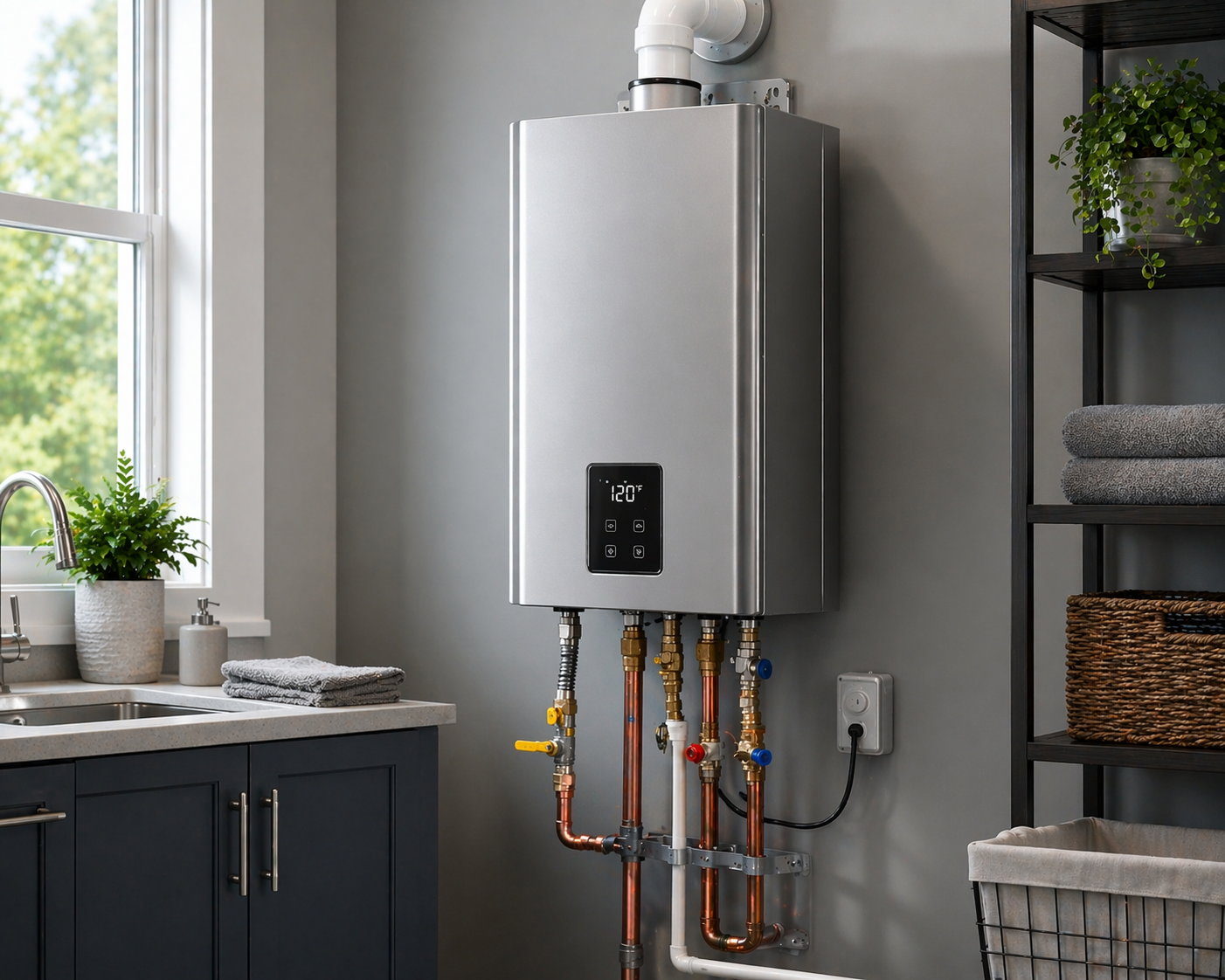
Conventional water heaters require substantial floor space because they store a large volume of water. Their bulky structure sometimes restricts home renovation opportunities or storage capacity. Tankless water heaters, on the other hand, boast a compact, wall-mounted design that can fit into small nooks or even closets. This feature makes them ideal for apartments, condos, and smaller homes where maximizing living or storage space is a priority.
Longer Lifespan
Durability is another key benefit. Most tankless water heaters are engineered for a longer lifespan than traditional storage models. While a conventional water heater typically lasts 10 to 15 years, a well-maintained tankless unit can last up to 20 years or more. This extended lifespan means you’ll likely go longer before needing a full replacement, helping balance out the higher initial investment over time.
Installation and Maintenance Considerations
Despite the many advantages, upgrading to a tankless water heater can be more complex than simply swapping out an old tank. Retrofitting your plumbing or gas lines may be necessary, and installation fees are often higher than those for traditional models. It’s crucial to work with a qualified professional to ensure your home’s setup can properly support the new system’s requirements.
Maintaining a tankless water heater is equally important. Regular service, such as periodic descaling and filter cleaning, is essential to prevent mineral buildup and maintain peak efficiency. Homeowners should plan for annual or biannual maintenance to safeguard the unit’s performance and maximize its useful years. Skipping these steps can reduce efficiency and lead to costly repairs in the future.
Environmental Impact
Switching to a tankless water heater also has environmental benefits. Because these systems draw energy only when needed, they reduce overall consumption and help lower your household’s carbon footprint. Making the switch becomes an attractive upgrade for anyone concerned about energy conservation and responsible resource use. Tankless systems are an appealing choice for those wanting to make greener home improvement decisions.
Is a Tankless Water Heater Right for You?
Selecting a tankless water heater is a personal decision that depends on your hot water usage, home size, budget, and willingness to maintain it. Consulting an industry professional can provide a clearer picture of whether the investment makes sense for your specific circumstances. A professional can also assess your home’s infrastructure for compatibility and ensure that installation is efficient and compliant with local regulations.
In summary, tankless water heaters offer homeowners an array of advantages, including continuous hot water, significant energy savings, and a longer operating life. The added convenience and efficiency can make a real difference in your daily routine. Yet, it’s also important to seriously consider the installation process, maintenance requirements, and initial expense. With the right planning and support, however, this upgrade can be a wise and sustainable choice for many households.