Ever open your fridge and find something you were looking forward to eating… gone bad? Yeah, it happens. Too often, actually. But it doesn’t have to. A few simple habits can save your food. And a little help from the right tools makes it even easier. Food packaging boxes are one of those small but super useful things. They help keep food fresher for longer, reduce fridge clutter and make life a bit simpler. Once you start using one, storing food no longer feels like such an ordeal–less waste, less frustration and more delicious meals that actually taste as intended are immediately evident.
Understanding Food Storage Basics
Food doesn’t magically spoil. Temperature, moisture levels and time all play into how we store products; milk, eggs, leafy greens need colder places, while rice pasta or flour need dark places with adequate ventilation for long term storage. Knowing where and how you store things helps them last longer. They taste better too. And they keep more nutrients intact.
Fridge zones are something most people ignore, but they matter. Top shelves? Perfect for drinks or ready-to-eat foods. Bottom drawers? Coldest, great for meat and fish. The door looks handy, but it’s actually the warmest part. Better for condiments than milk. Even knowing this little detail can prevent a lot of waste. Pair that with food packaging boxes, and it becomes almost effortless. Airtight boxes keep food fresher and make stacking simple. No more messy piles or forgotten items.
Another small tip—don’t overcrowd your fridge. It might seem convenient to shove everything in, but air circulation matters. Fridge air helps maintain temperature evenly. When food gets squished together, it spoils faster. That’s where food packaging boxes come in handy. They help you organize without wasting space.
Choosing the Right Containers
Containers might seem simple, but picking the right ones can change the way you store food. There’s glass, plastic, and disposable. Glass lasts longer and doesn’t stain. Plastic is lighter and flexible. Disposable containers are perfect if you’re prepping meals or taking food to work.
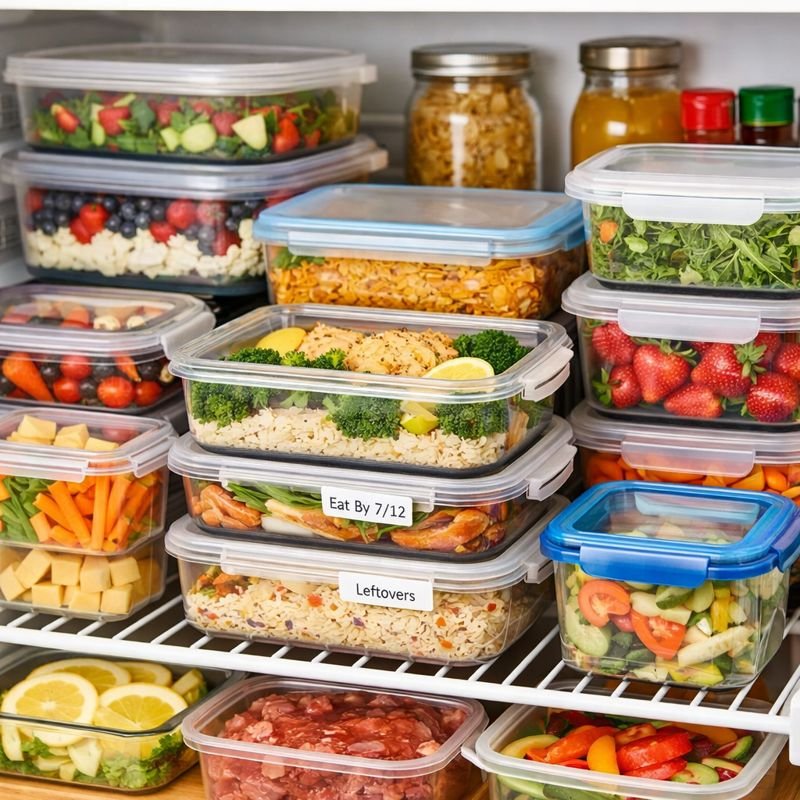
Think about how you use them. Airtight lids prevent spills and dryness. Stackable designs save space and reduce clutter. Size matters too. Tiny ones are great for sauces or snacks. Big ones hold soups, salads, or batch meals. Using consistent containers, like food packaging boxes, makes it much easier to see what you have at a glance. You won’t waste food just because it’s hidden behind other items.
Organizing Your Kitchen for Efficiency
Organization is key if you want to reduce waste. Start by grouping similar items. Keep breakfast foods in one section, snacks in another, and leftovers in their own area. Label containers with dates. You’ll know what to eat first. No more surprises, no more tossing things because you forgot them.
Food packaging boxes really help here. They stack neatly and make everything visible. Less clutter, more control. And when your kitchen is tidy, cooking and meal prep just flow better. You’ll actually enjoy it instead of dreading it.
It also helps to have a few “ready-to-go” boxes. Pre-chopped veggies, pre-cooked grains, or even small snack packs make weekday meals faster. When you’re in a rush, it’s easier to grab a box than dig through multiple containers or bags. Over time, this becomes a habit, and your kitchen runs smoothly.
Practical Tips to Reduce Food Waste
Small habits go a long way. Rotate your food—first in, first out. Freeze extras before they spoil. Portion meals so you don’t overcook or leave leftovers uneaten.
Food packaging boxes are perfect for this. Portion control becomes easy. Quick to grab when you’re busy. Store chopped veggies, grains, or single-serve meals. You’ll waste less, and life will feel simpler.
Check expiration dates regularly. Put delicate foods, like berries or herbs, in the coldest fridge section. Store moisture-heavy veggies in breathable containers. Plan your shopping too. Buy only what you need. Freeze or cook the rest. Tiny steps like these save a lot over time.
Conclusion
Keeping food fresh isn’t hard. Understand the basics, pick the right containers, and keep your kitchen organized. Food packaging boxes make it all simpler. Start small. Organize a shelf. Label a few containers. Notice how much easier cooking and meal prep becomes. Over time, it becomes routine. Less waste. Fresher meals. Happier fridge. Your wallet and taste buds will thank you too.