In today’s rapidly changing energy landscape, solar power stands out as one of the most viable solutions for modern living. As more homeowners take steps to limit their environmental impact, the adoption of solar energy systems is accelerating, transforming not just individual homes but entire communities. For those seeking practical ways to bring solar energy into their lives, https://gtconstruction.solar/solar/ provides a wealth of information and services about modern solar power solutions.
Solar technology now plays a critical role in reducing household energy bills while minimizing environmental footprints. The increased affordability and effectiveness of solar panels, combined with supportive policies, are empowering homeowners to embrace cleaner energy. The shift to solar is not just about environmental responsibility. It also presents substantial long-term financial rewards and promises greater energy independence.
While barriers such as initial setup cost and space constraints once existed, evolving technology has made solar power attainable for almost any home. Even those in multi-family dwellings or shaded locations can access solar benefits through emerging community programs. The versatile range of solar options means that a tailored solution is available for every household.
This surge in solar adoption is part of a larger movement toward smart, sustainable communities. To understand why the future of residential energy is solar, let’s explore the innovations, benefits, and policy developments shaping the industry today.
Advancements in Solar Technology
The growth of solar energy owes much to ongoing technological breakthroughs. Modern solar panels boast efficiency levels far exceeding those available a decade ago, particularly with the adoption of perovskite-silicon tandem cells. These new cells harness a broader spectrum of sunlight, achieving efficiency above 25% and improved performance in less-than-ideal weather conditions. Thanks to these innovations, homeowners can generate significant amounts of electricity with fewer panels and a smaller footprint.
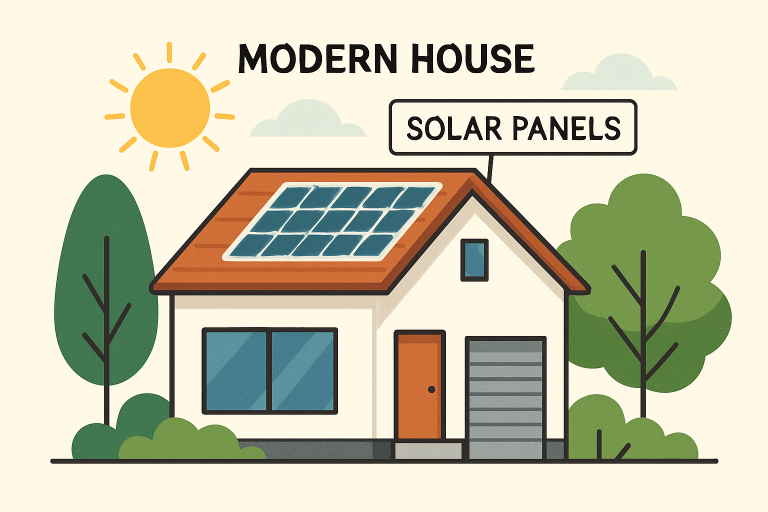
New systems are also designed to be more adaptable to various roof shapes and to integrate with aesthetic designs. The lowered cost and greater efficiency mean that solar energy is accessible to more homeowners, whether they want to meet all or just a portion of their energy needs.
Economic Benefits for Homeowners
Switching to solar energy can yield significant cost savings for households over time. According to a Stanford University study, approximately 60% of U.S. homes could reduce their electricity bills by an average of 15% by installing a solar-battery system. State incentives add further value by allowing homeowners to sell surplus power back to the grid through net metering. This not only reduces monthly expenses but can even turn solar energy into a revenue-generating asset for some families.
Though the upfront investment in solar installation can be considerable, many homeowners find that the long-term savings, coupled with increased property values and reduced dependency on traditional utilities, greatly outweigh the initial costs. More details on the financial advantages and real-world experiences can be found in coverage from major energy outlets such as the New York Times.
Government Incentives and Policies
To accelerate the shift toward renewable energy, governments have implemented a range of incentives that have made solar more affordable. In the United States, the federal solar tax credit allows homeowners to deduct up to 30% of the cost of installing solar panels. However, this incentive is scheduled to decrease after 2025, adding urgency for those considering solar adoption. Additionally, many states have their own rebates and tax credits, which often vary and may require careful timing to maximize benefits.
Policies like net metering have also proven pivotal. These programs compensate homeowners for excess solar power sent back to the grid, making it easier for residents to offset their costs and share renewable energy with their communities. Comprehensive policy information and comparative guides are available from trusted institutions such as the U.S. Department of Energy.
Community Solar Initiatives
Not everyone can install solar panels due to building type, shading, or lack of roof space. Community solar programs offer a practical alternative for renters, apartment dwellers, and homeowners with limited sunlight exposure. By subscribing to a portion of a local solar farm or cooperative, residents can enjoy many of the cost savings and environmental benefits of solar energy without needing rooftop panels.
Currently, 24 states, along with Washington, D.C., have enacted policies supporting these initiatives, making solar accessible across diverse communities. Subscribers receive utility bill credits based on their share of the solar array’s output, further broadening the reach of renewable power.
Integration with Smart Home Systems
The rise of smart home technology has further enhanced the appeal of residential solar systems. Today’s solar panels often come with integrated monitoring tools and real-time analytics that allow households to track energy production and consumption. With features like automated load shifting and adaptive energy management, smart solar systems optimize efficiency and help users make the most of their investment.
This seamless integration not only maximizes energy savings but also provides greater control over when and how homes use electricity, creating a more resilient, self-sufficient household ecosystem.
Environmental Impact
One of the most powerful motivators for going solar is the positive environmental impact. Unlike traditional fossil fuel sources, solar panels produce clean energy with minimal emissions, reducing a home’s carbon footprint. By switching to solar, homeowners contribute to the global effort to reduce greenhouse gas emissions and mitigate climate change.
Widespread adoption of solar power can drive systemic change, helping to clean up power grids and inspire greener practices throughout communities. These significant environmental contributions make residential solar power a powerful tool for supporting planetary health.
Future Outlook
Solar power’s role in residential energy solutions will continue to expand as technology advances and costs decline. With more robust community initiatives and government incentives, the path toward widespread adoption appears bright. As climate awareness grows and households seek to future-proof their families against fluctuating energy prices, solar energy will remain at the forefront of sustainable living strategies. Embracing solar power is more than a trend; it is a commitment to independence, resilience, and environmental stewardship for generations to come.