A properly worn lap-and-shoulder belt cuts the risk of fatal injury by 45 % in cars and 60 % in pickups, SUVs and vans. In 2024, the national average for seat belt use is 91.2%, according to Zebra Insurance.
The design of the seatbelt for safety is one of the most simple yet effective features in any vehicle. But the laws governing it are, unfortunately, not.
The requirement of seatbelt use is important to follow in consideration of the safety of everyone. But is it illegal to not wear a seatbelt?
How does the law view your failure to buckle up behind the wheel? Let’s find out!
Overview of Seatbelt Laws in the United States
Seatbelts are invented with a universal purpose around the world: to protect and reduce injuries from an automobile accident. But in different states, the mandates for seatbelts may vary.
As not all state laws enjoin the use of seatbelts, they require some provisions to guide the same. Most states require drivers, along with the front passenger to wear seatbelts and may also include the back seat as well. An exception to this case is New Hampshire, which does not require adults in any seat to have a seatbelt as law, but these laws apply to children in the car.
Regardless of the situation, the primary goal of a government is to safeguard its citizens from harm. Legislators make the laws after considering how much evidence has piled up around the matter. According to the Centers for Disease Control and Prevention, buckling up reduces the chances of serious injuries and death in a crash by about 5%.
This benefit applies to all types of seats and over all age groups, leading to the upgrading of occupant protection laws across most states in due course.
Negligence, reckless driving and hazardous road conditions are still the leading cause of car accidents, says car accident lawyer Brian R. Hochman. So, no matter what laws mandate seatbelt use in your state, it’s still best to be careful when driving.
Variations in Seatbelt Regulations by State
The contrasting nature of seat belt laws among the states is not limited to the duty of wearing a seat belt but also involves their enforcement. Essential differences are the processes by which a state’s law enforcement agency pulls a vehicle over to ticket a driver for being unbuckled.
There are cases when drivers are pulled over by officers for speeding or other primary offenses. Since seatbelt laws are under secondary offense, you can be charged with not wearing a seatbelt as secondary enforcement.
“Secondary enforcement” determines that an officer may issue a seat belt citation if the driver was stopped for a primary offense after discovering you are not wearing one.
The level and enforcement of rear-seat requirements involved numerous variations among the States. Over 40 states have put rear-seat belt laws in place, albeit there was no similarity as regards their enforcement.
Copp had primary seatbelt laws applying to all occupants, while others had laws focusing on front seats only or on young children. This differentiation is significant because available research shows that primary enforcement results in higher seatbelt-use rates compared to secondary enforcement.
States with primary laws enjoy compliance rates that are usually closer to multiple percentage points over states with secondary laws, as per data maintained by the Governors Highway Safety Association.
The Importance of Wearing Seatbelts
One of the biggest safety devices present in any vehicle is seatbelts. They prevent the occupant from being thrown out, striking the inside of the car or being thrown out during the crash.
In passenger cars, presentations show a reduction in the risk of fatal injuries in the front seat by about 45% for lap-and-shoulder safety belts, according to the National Highway Safety Administration study.
In various car types, rear-seat safety belts help quite a bit, giving a risk reduction of over 50%, according to the Insurance Institute for Highway Safety. These statistics might help shed some light on why many families make seatbelts appear more normal with their routine travel.
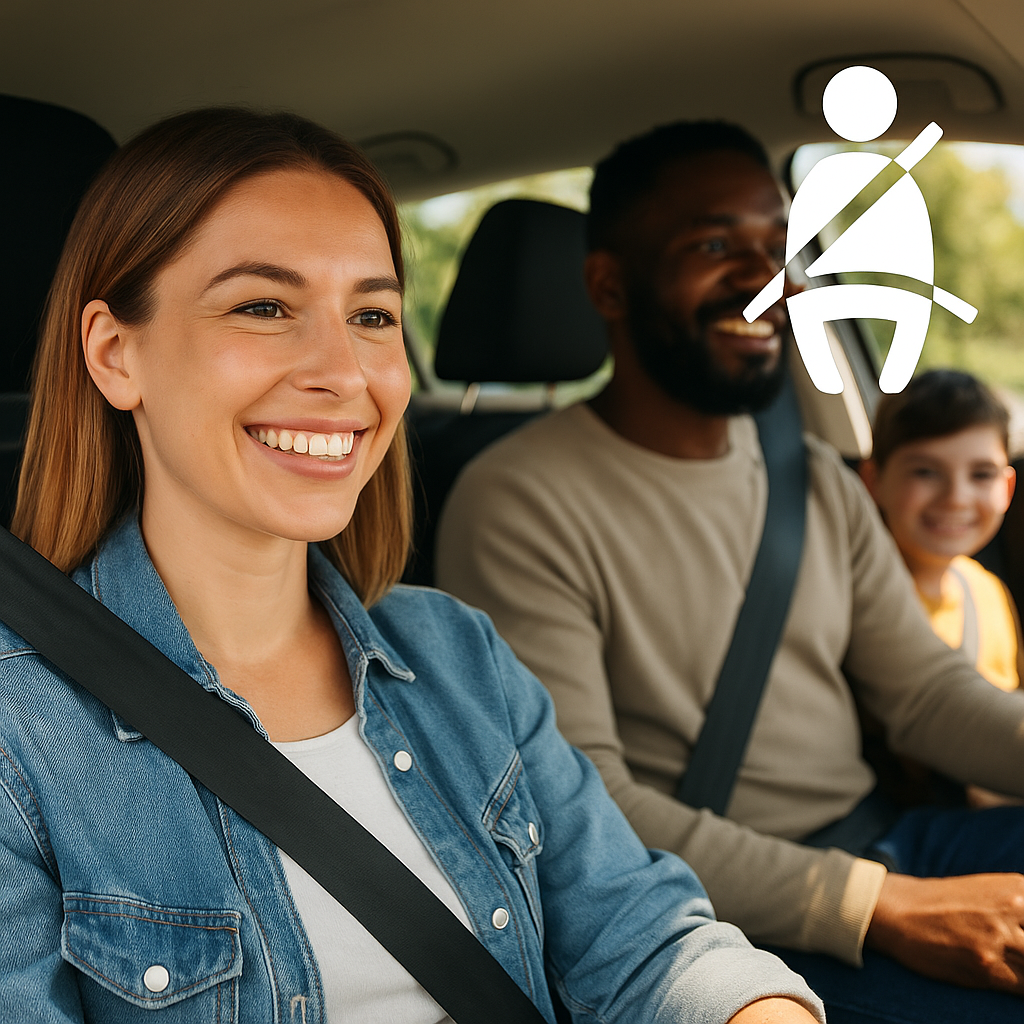
Parents end up teaching the little ones well. For example, kids will buckle when they see the adult buckling. This mimicking teaches children about safety compliance.
Consequences of Not Wearing a Seatbelt
States are at liberty to impose fines or other penalties on unbelted occupants, with the amount usually dependent on the jurisdiction.
In some states, there are court costs or other administrative fees that are attached, while a number of fine print relating to juveniles’ driving privileges is thrown in. The greater risk, however, is to the person at the receiving end. Occupants of vehicles who aren’t properly belt-secured are at higher risks of ejection, major injuries, or even death in crashes.
National highway-injury records have time and again shown that a significant share of fatalities involve occupants who were without seatbelts at the time of impact.
These transitional effects from unbelted passengers could also extend elsewhere in the vehicle: with an unsecured passenger playing serious impact unto restrained occupants, the damage of injury to all in the vehicle is quite highly certified.
Tips for Ensuring Compliance With Seatbelt Laws
Many households establish routines to ensure that everyone in the vehicle uses seat belts. One of the most typical is the driver not shifting into gear until all occupants have fastened their belts, while others just give directions for younger passengers at the start of the journey.
This means properly adjusted seating belts are not available for reasons to not wear any. Usually a short, polite nod from online or nearby passengers is an effective wake-up call when someone is missing a seat belt.
The small prevention measures above reduce the risk and make observing the law a regular practice, rather than being retained in the recesses of the driver’s mind.