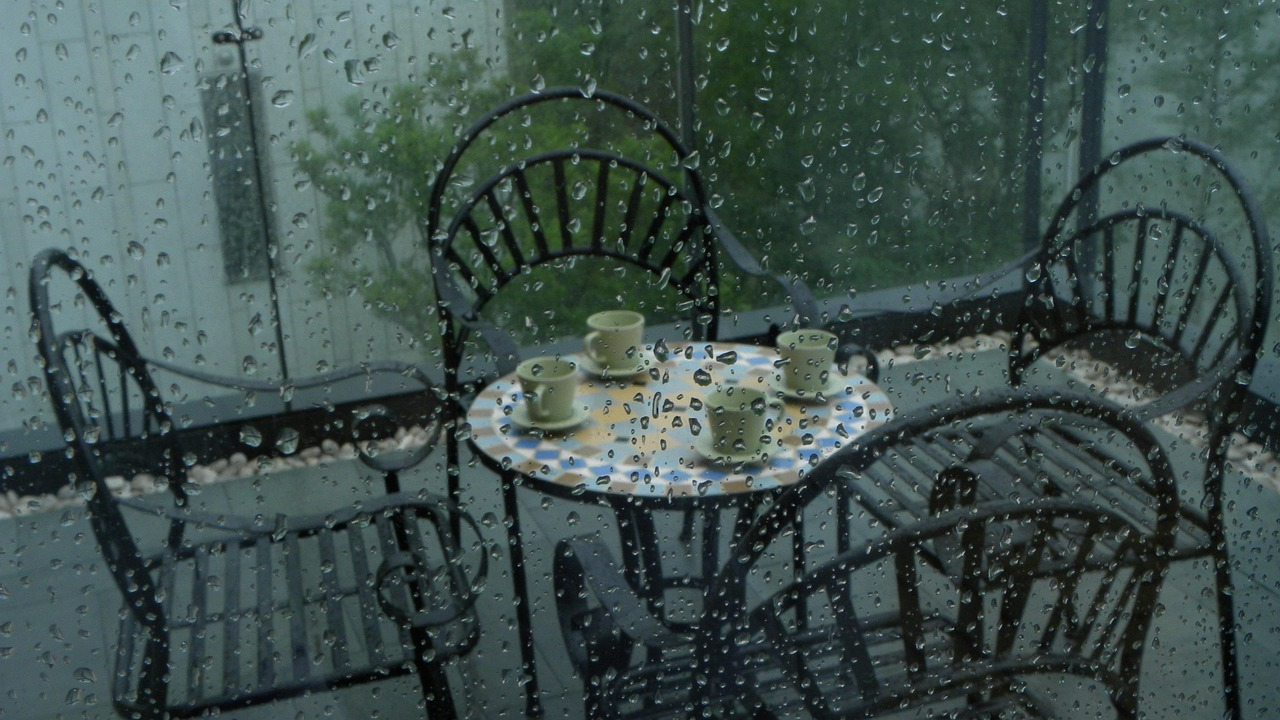
Ready to winterize your home BEFORE the rains come.
Seriously.
Homeowners across the country experience this same problem every year. The rains start falling. It’s enjoyable at first…until you notice that leak you ignored. Or that clogged gutter.
Oh boy.
You should have prepared BEFORE the rainy season started!
Let’s fix that now.
Table of contents
- Why preparing your home for rainy season is important
- Inspecting Your Roof BEFORE the Rains Come
- Cleaning Your Gutters The RIGHT Way
- 5 Easy Tasks To Complete Before It Storms
- When To Bring In A Professional
Why preparing your home for rainy season is important
Before we get started, keep these stats in mind:
- One out of every 67 insured homes has a water damage claim each year.
- The average water damage insurance payout is $15,400 .
Yep. Water damage is serious stuff.
Think about how many people those stats apply to. MILLIONS of Americans deal with water damage every year.
Most of these problems can be avoided with basic homeowner maintenance. Water doesn’t suddenly cause damage to your home overnight…
Your roof slowly degrades over time.
Damaged shingles. Blocked gutters. Cracked flashing.
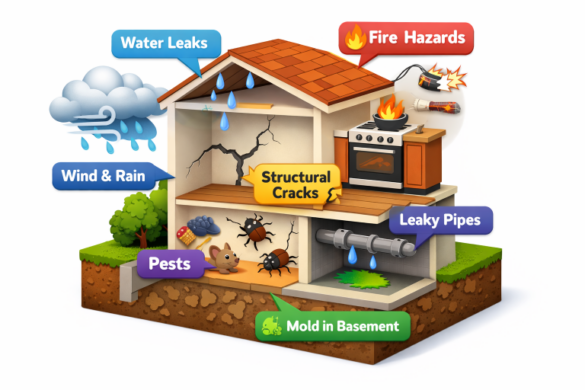
These are just a few ways water can get into your home.
Fix them BEFORE the rains come, and you’ll rest easy all season long.
Inspecting Your Roof BEFORE the Rains Come
Your roof takes the brunt of the damage during winter storms.
Don’t neglect it.
How often do you think about your roof on a daily basis? If you’re like most homeowners, the answer is probably NOT nearly enough. Trust me, I used to be the same way.
To avoid water damage, your roof needs a good once-over before the storms arrive.
If you live in the Pacific Northwest, finding the best roofing contractor in Tacoma can help spot potential problems before they start leaking all over your home.
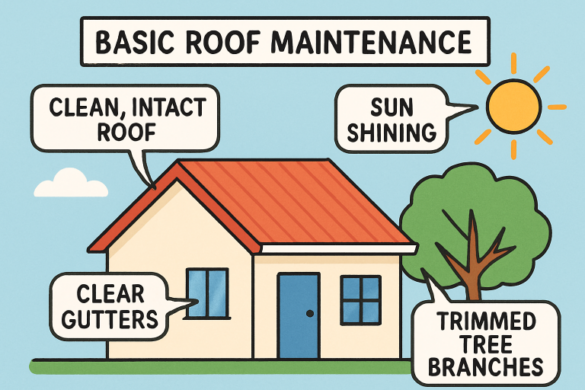
Take a look at your roof and work towards identifying these common issues:
- Missing or damaged shingles. Shingles are your roof’s first layer of protection against rain and water. If they’re missing or damaged, water can seep in.
- Cracked or worn flashing. Found around chimneys, vents, and skylights. Faulty flashing leads to roof leaks.
- Sagging areas. Could be signs of structural damage or water pooling.
- Granule loss: If you’ve noticed small sand-like particles in your gutters, your shingles are wearing down.
The best time to address these issues is NOW. A small repair now can save you thousands in roof replacements later.
Don’t try to be a superhero. Get a professional up on that roof before the rains come. It’s never worth climbing around on a wet roof.
Cleaning Your Gutters The RIGHT way
This is something a lot of homeowners get wrong…
They assume their gutters work fine on their own. NOPE!
Clogged gutters are one of the leading causes of water damage to BOTH roofs AND foundations. When debris builds up in your gutters, water starts to pool. That water will run under your roof, down your siding, or pool around your foundation.
Needless to say, none of these outcomes are good.
Here’s my advice on gutter maintenance…
- Clean your gutters twice a year. Spring and fall are ideal.
- Flush your downspouts with your garden hose to ensure they’re clear.
- Install gutter guards if you live in a wooded area.
- Ensure downspouts direct water away from your home’s foundation. Aim for 3-4 feet away.
It won’t take long. An afternoon at most. Compare that to water damage repairs and you’ll understand why preventative maintenance is important.
5 Easy Tasks To Complete Before It Storms
Not all of these tasks require a contractor. In fact, most of them don’t.
There are plenty of things you can do RIGHT NOW to prepare your home for the upcoming storms. Let’s walk through a few:
Look for gaps around windows and doors. Caulking and sealant can wear away over time. This creates small gaps for rainwater to get inside. Grab a tube of exterior caulk and seal up any spots you find. It’s cheap and easy.
Inspect your siding. Over time siding can crack or become loose. Don’t allow water an easy entrance into your home.
Trim tree branches. Rain + wind = falling branches. Falling branches rubbing up against your roof can damage shingles and create gaps for rain to enter.
Test your sump pump. Got one? Make sure it’s working before failure occurs. Pour a bucket of water into the pit. Does it kick on? Great.
Clear drainage areas. Ensure the ground slopes away from your foundation. Water should always flow towards a drainage area, not towards your home.
Minor tasks like these can be completed in an afternoon.
They don’t take much time, but they can make a huge difference when trying to prevent water damage.
When To Bring In A Professional
Believe it or not, some of the above tasks are DIY-friendly. Others are not.
Here are a few signs you need to call in a roofing pro:
- Multiple missing or damaged shingles.
- Visible signs of sagging or other issues.
- Water stains on walls or ceilings.
- You can see daylight through your attic roof boards.
- Your roof is over 20 years old.
According to This Old House just ONE inch of water can cause up to $25,000 in damage to an average American home. If your roof is leaking, that water can get inside and cause thousands of dollars of damage to your walls, ceilings and furnishings.
That’s why you need a professional roofing contractor to inspect your roof BEFORE the rains come.
Licensed roofers can spot things you may not notice. They have the tools and know-how to properly assess your roof’s condition. And they can do it quickly. Here’s what a proper inspection should include:
- A thorough exterior inspection. Shingles, flashing, vents, the works.
- Interior attic inspection. They should be looking for signs of leaks, moisture, or mould.
- Gutters and drainage should be checked too.
- A written assessment with next steps.
Yes, it costs money. But that’s less money than water damage restoration will cost you.
Wrap up
Getting your home ready for rainy season is easier than you think.
Simply start with the tips mentioned above. Inspect your roof. Clean your gutters. Caulk up any obvious holes around windows and doors.
Let’s recap once more…
- Inspect your roof for damaged areas.
- Clean gutters and verify water is draining properly.
- Perform easy tasks around the house (caulking, trimming tree branches, etc.)
- If you identify issues you can’t fix on your own, hire a professional.
The KEY is preventing water damage before it happens. Most homes experience water damage because homeowners waited too long to address small problems.
Take an afternoon this weekend and go outside. Walk around your home and pay attention to your roof. Inspect your gutters.
It’s always easier and cheaper to prevent water damage now than waiting until the leaks start coming inside your home.
Enjoy the rain!