 Rail travel across East Asia connects modern capitals, historic districts, and regional landscapes through some of the world’s most efficient transportation systems. South Korea and Japan, in particular, combine high-speed connections with strong cultural identities, allowing travellers to move between contemporary cities and centuries-old traditions within a single journey.
High-speed routes across South Korea
Taking a Seoul to Busan train offers one of the most important rail connections in South Korea, linking the country’s capital with its largest southern port city in roughly two and a half hours. Services operated by Korea Train Express depart from Seoul Station and arrive at Busan Station near the city’s waterfront districts. The route passes through mountainous landscapes, industrial regions, and smaller urban centres before reaching the coast. Travelling by rail removes the need for airport transfers and keeps the journey connected from start to finish. High-speed services are punctual and comfortable, with reserved seating and onboard facilities designed for medium-distance travel. Large windows allow passengers to observe the gradual changes in geography across the country. This connection has become central to domestic travel within South Korea. It demonstrates how rail infrastructure shapes movement between major cities. The journey itself forms an important part of the broader travel experience.
Japan’s central rail corridor
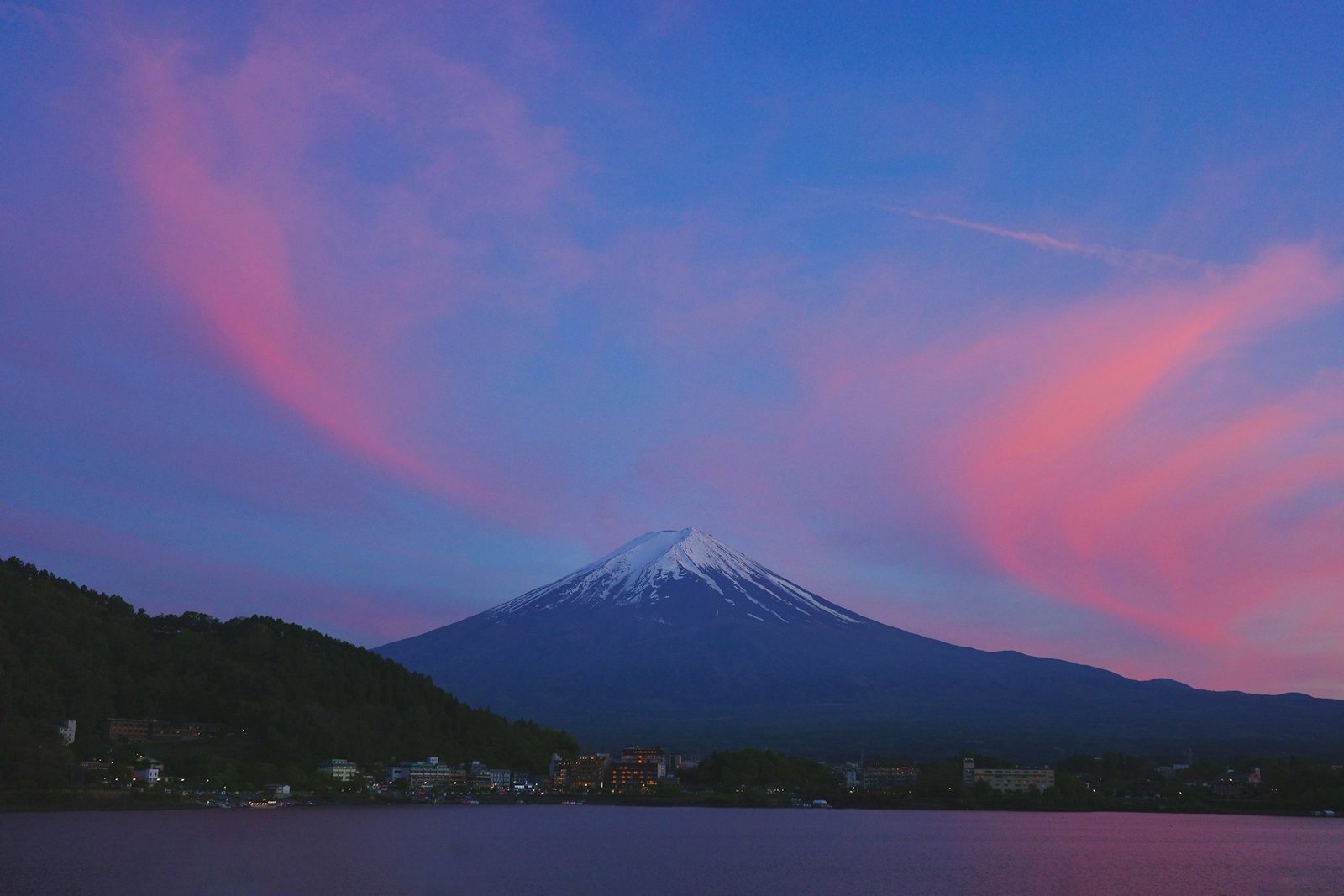
In Japan, the Kyoto to Tokyo train route connects two cities with very different identities through the country’s well-known Shinkansen network. Services depart regularly from Kyoto Station and arrive at Tokyo Station in approximately two and a half hours on the fastest trains. The route combines speed with a remarkably smooth onboard experience, allowing passengers to travel comfortably between historical Kyoto and modern Tokyo. Travelling by rail keeps passengers within city centres and avoids the more fragmented process associated with air travel. The scenery shifts gradually from traditional neighbourhoods and agricultural areas to the dense metropolitan districts surrounding Tokyo. During clear weather, parts of the journey may also offer distant views of Mount Fuji. This route forms one of the busiest passenger corridors in the world. At the same time, it remains highly organised and predictable. The connection reflects the broader role rail plays within Japanese daily life and tourism.
Seoul’s royal history and urban scale
Seoul combines rapid urban development with preserved historical landmarks that remain integrated into the modern city. Palaces such as Gyeongbokgung and Changdeokgung provide insight into Korea’s royal history while standing alongside high-rise districts and major commercial centres. The city’s metro system connects neighbourhoods efficiently despite Seoul’s large size and population density. Areas such as Insadong and Bukchon Hanok Village preserve more traditional architecture, creating a contrast with modern districts like Gangnam. Public spaces, markets, and street food culture contribute strongly to daily life throughout the city. Seoul moves at a fast pace, particularly around transport hubs and business areas, though quieter temple grounds and palace gardens offer moments of calm within the urban environment. The balance between old and new defines much of the city’s atmosphere. Visitors can experience centuries of history within short distances. Seoul often serves as both a cultural destination and a transport gateway within the region.
Busan and the southern coastline
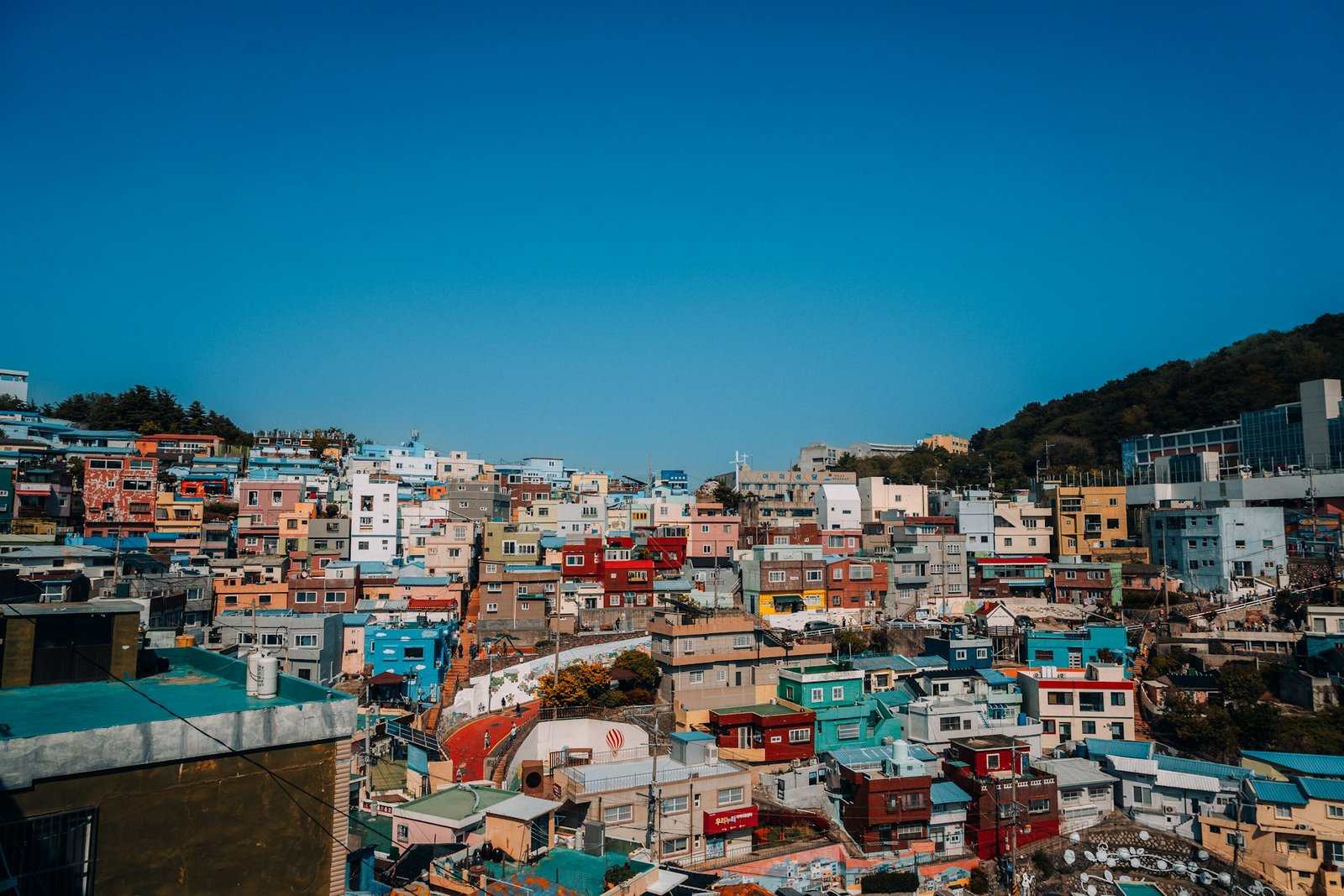
Busan introduces a noticeably different atmosphere from Seoul, shaped by coastal geography and a more open urban layout. Beaches such as Haeundae and Gwangalli remain closely tied to the city’s identity, while hillside neighbourhoods overlook the harbour and surrounding coastline. Busan functions as one of South Korea’s major ports, giving the city a strong commercial and maritime character. Markets, seafood restaurants, and waterfront districts create a slower rhythm compared to the intensity of Seoul. Public transport remains highly efficient, though the city feels less vertically dense overall. Temples such as Haedong Yonggungsa sit directly beside the sea, offering a different type of cultural setting from inland palace complexes. Busan’s combination of mountains, coastline, and urban development creates varied scenery across relatively short distances. Travelling there by rail highlights the gradual geographic shift from the capital to the southern coast. The city adds another layer to South Korea’s broader cultural landscape.
Kyoto’s preserved traditions
Kyoto provides one of Japan’s strongest connections to historical architecture, religion, and traditional urban design. Temples, shrines, and preserved wooden streets remain central to the city’s identity despite growing tourism. Districts such as Gion and Higashiyama encourage slower exploration through narrow lanes and older buildings. Landmarks including Kinkaku-ji and Fushimi Inari Taisha attract visitors year-round while still maintaining strong cultural significance. Public transport supports movement across the city, though walking often becomes the preferred way to experience the historic districts. Kyoto’s atmosphere changes noticeably with the seasons, particularly during cherry blossom and autumn foliage periods. Compared to Tokyo, the pace feels quieter and more observational. The city encourages longer visits and slower routines. This contrast becomes one of the defining aspects of travelling through Japan. Kyoto often represents the cultural centre of many itineraries.
Tokyo’s constant movement
Tokyo presents an entirely different urban environment, shaped by scale, density, and constant movement. Districts such as Shibuya, Shinjuku, and Akihabara each operate with distinct identities while remaining connected through one of the world’s most extensive rail systems. Skyscrapers, shopping districts, and entertainment areas dominate much of the cityscape, though temples and gardens remain visible within many neighbourhoods. Landmarks including Tokyo Skytree and Meiji Shrine reflect the city’s mixture of modern development and historical continuity. Tokyo’s pace contrasts sharply with Kyoto’s calmer atmosphere. Movement through stations and streets often feels continuous throughout the day. At the same time, smaller residential districts provide quieter spaces away from the busiest centres. Rail travel shapes daily life across the entire metropolitan region. The city demonstrates how infrastructure and urban density interact on a massive scale.
Regional scenery between destinations
Rail travel in both South Korea and Japan reveals landscapes that are often overlooked by visitors travelling primarily between airports and city centres. Mountain ranges, agricultural regions, rivers, and coastal areas appear regularly between the major urban corridors. Travelling by train allows passengers to observe how geography changes gradually across each country. Smaller stations and regional towns also become visible throughout the journeys, offering brief glimpses into local life beyond the largest cities. Seasonal variation strongly affects the scenery, especially during spring and autumn. The movement between destinations becomes part of the cultural experience itself. Instead of separating cities into isolated stops, rail travel creates continuity between them. This slower observation of landscape and settlement patterns adds depth to the journey. It also highlights the relationship between transportation and regional identity across East Asia.
Bringing the journeys together
Travelling through South Korea and Japan by rail combines high-speed infrastructure with strong cultural contrasts between cities and regions. From Seoul’s royal palaces to Kyoto’s temples and Tokyo’s modern skyline, each destination contributes a different perspective while remaining connected through efficient and carefully organised rail networks.