








Enhancing Scheduling Accuracy with Real-Time Attendance Data
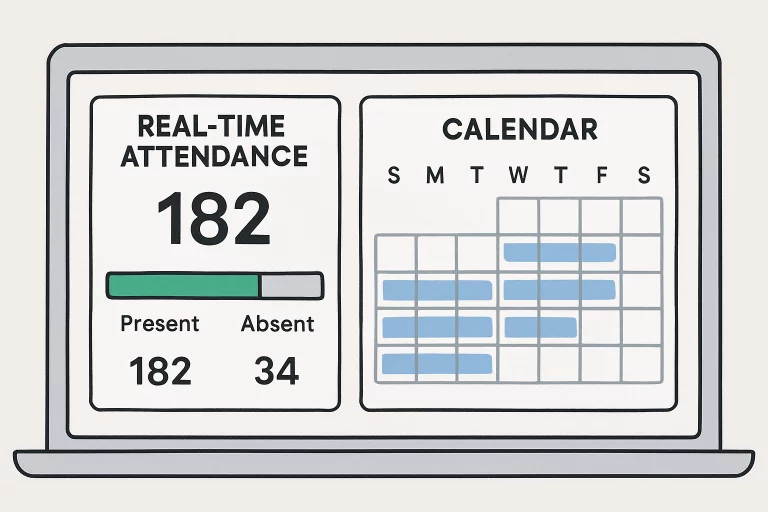
The integration of real-time attendance tracking has fundamentally shifted the scheduling landscape. Modern systems allow managers to instantaneously monitor employee arrivals and departures, offering deep visibility into workforce presence at any given moment. This real-time access to attendance data means organizations can implement immediate schedule adjustments when faced with absences, late arrivals, or spikes in customer demand. The result is reduced productivity bottlenecks, minimized overtime expenses, and improved coverage during critical periods. Empirical findings indicate that deploying real-time dashboards as part of workforce management can lead to a substantial 15–30% reduction in overtime costs and a measurable uptick in service quality, a competitive advantage in today’s fast-paced environment. For a closer look at how real-time technology is revolutionizing workforce management, learn more about the impact of real-time dashboards on workforce management.
Identifying Patterns to Optimize Workforce Allocation
One of the most significant advantages of collecting detailed attendance data is identifying workforce behavior trends over time. Regular analysis of this data reveals critical patterns—such as recurring absenteeism, frequent late arrivals, or early clock-outs—directly affecting scheduling effectiveness. By understanding these trends, managers can identify and address problems before they impact productivity or customer service. For example, manufacturing companies may notice specific teams experiencing high absenteeism during certain periods, signaling a need for additional support, policy adjustments, or targeted wellness initiatives.
These insights are particularly valuable during periods when demand changes predictably, such as holidays or seasonal peaks. With a data-driven approach, managers can proactively ensure that busy times are staffed adequately, reducing reliance on costly last-minute overtime or temporary labor.
Reducing Administrative Burden Through Automation
Manual attendance tracking remains a significant administrative bottleneck and source of error for many organizations. By contrast, automated attendance systems seamlessly gather, process, and analyze workforce data in real time. This automation slashes the time and effort HR and managerial staff dedicate to managing attendance records and ensures near-perfect data accuracy. Reducing administrative workload allows staff to focus on high-value, strategic functions rather than repetitive tasks.
Automated solutions capture attendance and expedite payroll processing, track and approve leave requests with remarkable efficiency, and give employees access to their schedules and time-off balances through intuitive digital portals. Features like mobile accessibility and self-service capabilities mean employees can manage their work-life needs directly, enhancing transparency and satisfaction.
Ensuring Compliance with Labor Regulations
Navigating the evolving regulatory landscape is a top concern for today’s organizations, particularly those operating across multiple regions and jurisdictions. Reliable attendance tracking is indispensable for meeting these complex legal requirements—documenting meal and rest breaks, verifying hours worked, or calculating overtime by the latest labor standards. Detailed records serve as irrefutable evidence during compliance audits or legal proceedings, assuring organizations that they meet their obligations and reduce vulnerability to fines or litigation.
Staying compliant also enhances employer reputation and builds trust with employees and external stakeholders. By maintaining transparent and accurate records, businesses can quickly resolve disputes, demonstrate adherence to negotiated agreements, and foster an environment of legal and ethical integrity. Ultimately, robust compliance practices protect the organization’s financial health and standing in the market.
Enhancing Employee Satisfaction and Retention
Fairness and transparency in scheduling are major contributors to employee satisfaction, and dependable attendance data strengthen both. Trust in management grows when employees see that shift allocation, time-off approvals, and overtime assignments are based on objective data and clear policies. This positive dynamic increases engagement and motivates employees to invest in the organization’s success.
Furthermore, reliable attendance data enables organizations to consider employee preferences, accommodate personal commitments, and facilitate flexible scheduling arrangements. This adaptability is particularly attractive in today’s competitive job markets, where work-life balance is a top priority for talent attraction and retention. By using attendance data to build equitable, predictable schedules, organizations can lower turnover, foster loyalty, and position themselves as employers of choice.
Leveraging Technology for Improved Scheduling
Advancements in workforce technology have ushered in a new era of scheduling efficiency. Cloud-based platforms, biometric time clocks, and artificial intelligence-driven analytics empower organizations to make data-driven decisions quickly and accurately. These modern solutions deliver real-time data streams, predictive scheduling, and seamless integration with other HR systems, enabling leaders to anticipate labor needs, avoid shortages, and optimize schedules in response to market and organizational shifts.
Security and scalability are additional advantages of these digital platforms. With robust access controls and automatic updates, businesses can safeguard sensitive employee data while continuously refining workforce management processes.
Conclusion
In today’s fast-paced, ever-changing business environment, accurate attendance data is an indispensable resource for organizations determined to optimize their workforce scheduling. With modern scheduling technology advancements, attendance records empower organizations to enhance accuracy, reduce administrative workload, support compliance efforts, and boost employee satisfaction and retention. By investing in robust attendance tracking and advanced management solutions such as those provided by healthcare time and attendance software, forward-thinking organizations are positioning themselves for higher operational efficiency, sustained growth, and a happier, more engaged workforce. By making attendance data central to workforce management, employers are better prepared to meet today’s challenges—and to seize tomorrow’s opportunities.