 The bar has morphed into more than what it used to be, it’s not just about drinking but about engaging-with the glass signaling aesthetics, the discussions appealing, and the entire social encounter altering with it. This transformation was very much intentional.
Quality Replaced Volume As The Entry Point
There was a time when the goal of a night out was throughput. More drinks, more people, louder music, later hours. That model still exists, but it’s no longer the dominant one for a growing segment of adults who want something different from their nightlife.
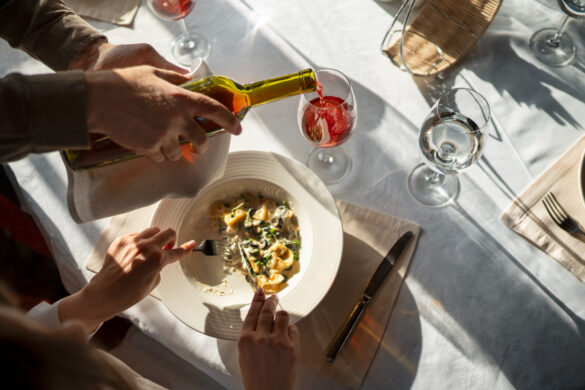
The “quality over quantity” shift has turned many bars into something closer to tasting rooms. When a cocktail is built with small-batch spirits, house-made bitters, and a garnish that took someone actual thought to construct, it becomes a conversation starter before anyone’s said a word. You ask what’s in it. You share a sip. You talk about the flavor. The drink does social work.
The Lounge As A Designed Social Environment
Today’s modern cocktail venues are not constructed in the same mindset as traditional bars; the layout is not an afterthought. There is deliberate zoning – quiet corners with low light for two-person conversations, more open areas and a stage or DJ booth where energy should (carefully) ramp as the night progresses.
This design philosophy treats the actual space as a tool. The venue is not just a place to stand and drink; it is designed in such a way that various styles of socializing are supported simultaneously. A real couple can have a conversation in one corner while a group celebrates 15 feet away. Neither experience is necessarily degraded by the other.
That’s the hybrid model: Part high-end restaurant in terms of service and craft, part performance venue in terms of attitude and energy. The best versions of this are not half of each; they’re genuinely both, depending on where you’re sitting and what time it is.
Social Media Changed What A Cocktail Has To Look Like
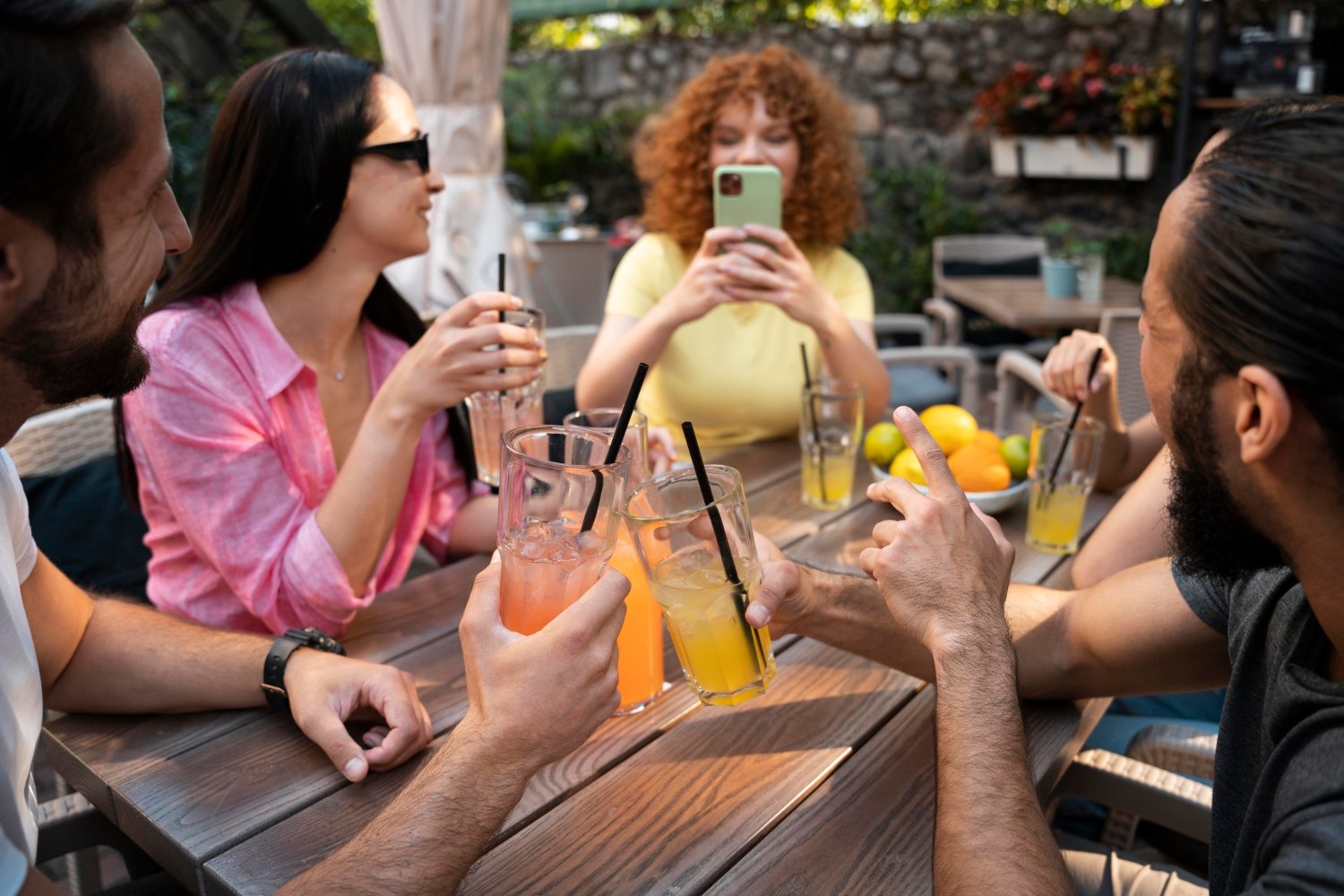
Let’s be clear about something. Nowadays, the visual aspect of a drink is a type of social status. If a cocktail comes with a dehydrated citrus wheel, a sprig of an aromatic herb, and is served in a proper glass, it doesn’t just look good – it takes great pictures, and those pictures are shared.
As a result, cocktail programs have had to consider Instagrammability as part of their planning, rather than just a nice-to-have feature. Any time someone posts a picture of their drink from a bar, they’re essentially endorsing that drink to all their followers. They’re saying, “You should try this too. You should come here and do this.”
The drink becomes an ad, essentially, and the bar gets some free advertising. It’s a bit of a jaded way to look at things, but it’s the truth. And, more often than not, the byproduct of this – the kind of well-considered, well-crafted drink that happens to take a great picture – benefits the person on the barstool the most.
Earlier Evenings, Refined Experiences
The 2 AM club model is declining for a lot of people, not because nightlife is dying, but because the definition of a good night out has expanded. A 7 PM cocktail hour that runs until midnight, built around exceptional drinks, thoughtful service, and live music, is a complete experience. It doesn’t need to turn into something else at midnight to count.
This shift toward early-evening socialization has created real demand for venues that do everything well before 10 PM. High-quality cocktail programs, live entertainment that starts at a reasonable hour, and staff who can hold a conversation about what they’re making. For venues offering Blue Martini Phoenix entertainment, the integration of a premium drink menu with live performance isn’t a secondary feature – it’s the whole point.
The Third Space Is Back, and It’s Well-Lit
Sociologists refer to “third spaces” – areas that are neither work nor home in which casual community exists. For much of the modern era, such a place was the bar. Then the bar grew noisy, impersonal and that role became unsustainable.
The cocktail lounge revival is partially about reclaiming that function. When the lighting is flattering rather than horrific, when the staff are taught to engage rather than transact, when the soundscape is supportive rather than overwhelming – the venue becomes a place a person might actually wish to spend time.
That’s the real product a good cocktail outlet is marketing. Time happily spent. A reason to be somewhere with people you love.
Cocktail culture didn’t just change the type of venue in which we drink. It changed the reason for going, the expectations upon arrival, and how we want to feel when we depart.