Introduction
In recent years, the narrative around cannabinoid products has evolved dramatically, shifting from skepticism and controversy to a nuanced, evidence-based conversation. This transformation is powered by new scientific discoveries that shed light on the mechanisms, uses, and limitations of cannabinoids. The impact of this research is far-reaching—shaping public perception, influencing policy, and guiding clinical practice. As more robust data emerges, consumers and professionals alike are reconsidering how these compounds can be used both safely and effectively in modern healthcare. Whether discussing broad-spectrum oils, targeted therapies, or innovative delivery systems, the science is guiding both curiosity and caution.
The expanding body of research also means that consumers today are more empowered to make informed choices. For example, understanding the molecular structures, origins, and physiological impacts of cannabis-derived compounds is now part of an educated buyer’s journey. Reputable brands such as Aventus8 cannabinoid products are responding by emphasizing transparency, purity, and rigorous testing, which is crucial in a fast-evolving marketplace.
Importantly, scientific investigation is helping to disambiguate myths from facts. Data-driven discussions around safety, benefits, and nuanced risks are steadily replacing the stigma associated with cannabinoid use. An increased focus on consumer safety, labeling accuracy, and the necessity for standardized dosing guidelines further propels this cultural shift.
Yet, as promising as the emerging science is, there is an equal emphasis on caution and continued inquiry. Scientists and healthcare providers are vocal about the gaps that exist—whether in long-term studies, potential interactions, or the need for personalized approaches based on genetics and health status. The evolution of the conversation around cannabinoid products is ultimately a reflection of how deeply science intersects with everyday choices, regulatory action, and society’s broader understanding of natural medicines.
Unveiling the Endocannabinoid System
The turning point in cannabinoid science has undoubtedly been the unraveling of the endocannabinoid system (ECS). This complex signaling network influences a multitude of bodily functions, including pain, memory, immune response, and mood regulation. Before this discovery, cannabinoid products were misunderstood and studied mainly at the surface level. With the ECS now recognized as a key modulator in human physiology, research efforts have intensified to explore how phytocannabinoids—chemicals naturally produced by the cannabis plant—interact with ECS receptors.
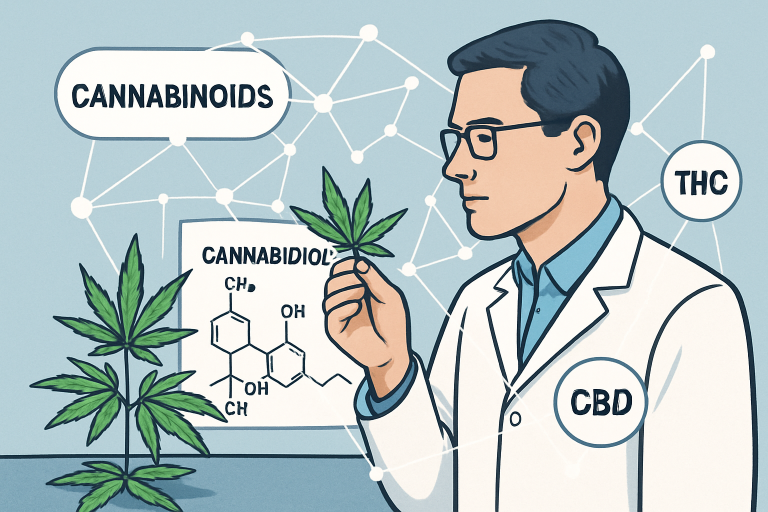
The ECS comprises two primary receptors: CB1, predominantly found in the brain and nervous system, and CB2, present mainly in peripheral tissues and the immune system. When compounds such as THC (tetrahydrocannabinol) interact with these receptors, they can induce psychoactive effects as well as therapeutic outcomes like reduced nausea, pain relief, and appetite stimulation. Conversely, CBD (cannabidiol), another primary cannabinoid, modulates the receptor response and exhibits anti-inflammatory, anti-anxiety, and neuroprotective properties without intoxicating effects. This contrast underlined the foundational difference between cannabinoids, guiding clinical and consumer use.
Recent studies have added even more layers to our understanding of the topic. For instance, peer-reviewed research demonstrates how CBD can mitigate the memory-impairing and addictive qualities of THC, suggesting that formulations combining these cannabinoids could offer optimized therapeutic profiles while reducing adverse side effects. The interplay within the ECS and among cannabinoids is why researchers now discuss the “entourage effect,” theorizing that combinations of compounds are often more effective than their individual components, due to synergistic interactions throughout the body.
Genetic Insights into Cannabis
The next frontier in cannabinoid science is the field of cannabis genomics—the detailed analysis of the plant’s genetic code. Decoding the cannabis genome has opened remarkable possibilities for breeding strains tailored to specific medical or wellness needs. Innovations in long-read sequencing technology now allow scientists to catalog the full diversity of cannabis genetics, identifying gene clusters responsible for the formation of cannabinoids, terpenes (aromatic compounds), and even resistance to pests or diseases.
This granular genetic information empowers breeders to create highly specialized strains, whether aiming for high-CBD, low-THC profiles for pediatric epilepsy, or balanced combinations geared towards chronic pain management. In practical terms, these insights pave the way for the development of pharmaceutical-grade products that can be consistently replicated—an essential advancement for clinical trials and medical applications. According to a recent paper published in Scientific Reports, understanding the genetic underpinnings of cannabinoid synthesis could revolutionize the efficacy and safety of future products.
Genetic research also addresses a major consumer concern: product consistency. Unlike the traditional image of cannabis as an unpredictable plant, genomic data makes it possible to ensure that a product consistently delivers the promised ratio of active ingredients. This transparency is essential for medical patients who rely on precise dosages for symptom relief, as well as for recreational users seeking a reliable and predictable experience.
Furthermore, genetic insights are informing the development of cannabis-based treatments for a new array of conditions beyond chronic pain and epilepsy. Researchers are investigating how rare and minor cannabinoids, each with their unique genetic markers, interact with the ECS to impact inflammation, metabolic disorders, and even neurodegenerative diseases. The personalized medicine approach—tailoring cannabinoid therapies to an individual’s unique genetic makeup—represents a paradigm shift, aligning cannabis research with trends seen elsewhere in healthcare.
Therapeutic Potential and Challenges
The growing optimism about cannabinoid products stems from their demonstrated efficacy in a variety of medical contexts. Cannabinoids are already approved or researched for roles in treating conditions such as epilepsy, multiple sclerosis, chronic pain, anxiety, and chemotherapy-induced nausea. These uses are supported by an expanding array of clinical trials, meta-analyses, and case reports, which enable evidence-based discussions among physicians and regulators.
For example, the FDA’s approval of Epidiolex—a purified CBD prescription—to treat rare forms of epilepsy marked a watershed moment in the acceptance of cannabinoid-based medicine. Likewise, Sativex, a combination of THC and CBD, is approved in multiple countries for spasticity due to multiple sclerosis. These milestones highlight the therapeutic versatility of cannabinoids, as well as the importance of rigorous clinical validation.
Nonetheless, the path forward is complex. While some clinical studies have yielded promising results, others are characterized by small sample sizes, heterogeneous patient populations, or short follow-up periods. These limitations make it difficult to draw definitive conclusions about the broad safety and efficacy of cannabinoid therapies. Additionally, there is a lack of standardization in dosing, route of administration, and product consistency, further complicating medical use. For example, inhaled products may have different absorption rates and effects compared to oral, sublingual, or topical applications.
Another significant challenge is the interaction of cannabinoids with other medications. Because the cytochrome P450 liver enzyme system metabolizes cannabinoids—akin to many pharmaceutical drugs—co-administration can sometimes lead to unintended increases or decreases in drug levels. This interaction highlights the importance of robust physician oversight and patient education, particularly for individuals with complex health needs or those taking multiple medications.
Finally, the social and psychological dimensions should not be overlooked. While cannabinoids have shown promise in alleviating anxiety and post-traumatic stress disorder, they can also induce or exacerbate psychiatric symptoms in vulnerable individuals. Long-term use, especially in adolescents or those with a predisposition to mental health conditions, remains an area of active concern and research.
Regulatory Evolution
Policy responses to cannabinoid science are in flux worldwide. In the United States, the FDA and DEA are reassessing the scheduling of cannabis and its derivatives, reflecting growing recognition of their medical value. Recent proposals suggest removing cannabis from Schedule I—which designates substances with no accepted medical use and a high potential for abuse—in favor of frameworks that enable thorough scientific evaluation and regulated access. This regulatory shift has significant implications, making it easier to conduct advanced research and opening the door to more standardized therapies across state and federal lines.
Globally, countries ranging from Canada and Germany to Thailand and the United Kingdom are revising their medical cannabis laws, fostering innovation while prioritizing patient safety. Many of these changes stem directly from emerging scientific evidence—especially as new therapeutic applications and public health implications become apparent. However, regulations vary widely, creating complex challenges for international trade, research collaborations, and the standardization of product quality.
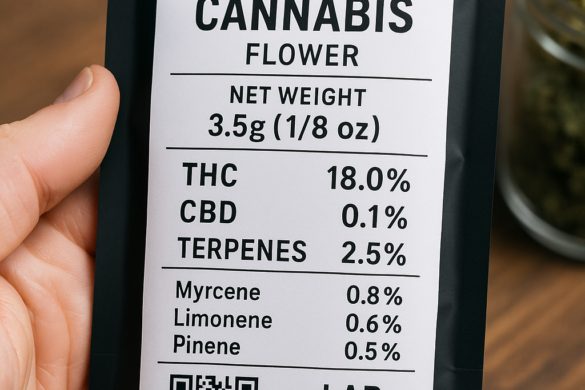
A crucial aspect of this regulatory evolution is the implementation of quality assurance measures. Governments and public health agencies are establishing programs for product testing, potency labeling, and batch tracking to minimize contamination and ensure that consumers receive accurate information about the products they use. Additionally, educational initiatives are being developed to inform both clinicians and the public about the risks and benefits of cannabinoid use, promoting safe integration into mainstream healthcare where supported by science.
Despite these advances, regulatory ambiguity persists, particularly regarding over-the-counter wellness products, hemp-derived cannabinoids, and delivery mechanisms such as vaporization or edibles. This uncertainty highlights the importance of ongoing research, transparency from industry stakeholders, and effective communication between regulators, healthcare professionals, and the public.
Conclusion
The science of cannabinoids is rapidly evolving, amplifying both opportunities and responsibilities for consumers, clinicians, and policymakers. The uncovering of the endocannabinoid system, advances in genomics, and rigorous clinical research are not only changing the conversation around cannabinoid products—they are actively shaping the standards and expectations for safety, efficacy, and transparency. As we move forward, continued research, sound regulation, and open dialogue must inform both personal health decisions and societal frameworks, ensuring that cannabinoid products are used responsibly and to their fullest potential.