Today’s homeowners rely on an increasing number of electronic devices and appliances, making a safe, efficient electrical system more crucial than ever. At the center of this system is the electrical panel. Technological advancements have transformed these panels to meet higher safety standards and allow homes to run more efficiently. But just how safe have modern electrical panels become? For those in the Pacific Northwest, ensuring peace of mind starts with trusted electrical panel services Spokane Valley that specialize in installing and upgrading the latest panels.
Modern panels are designed not only to distribute electricity but also to actively prevent safety hazards before they start. Advanced safety mechanisms, upgraded internal components, and code compliance have made a significant difference. Even so, safety does not stop at installation. Routine maintenance, inspections, and responsible upgrades are essentials homeowners cannot afford to overlook.
As homes become smarter and more connected, the electrical infrastructure must keep pace. Learning about the capabilities and benefits of modern panels can help you safeguard your family and your property. Should an unexpected electrical problem arise, being prepared with access to 24 hour emergency electrical service can make all the difference in minimizing potential damage or hazards.
Enhanced Capacity for Modern Demands
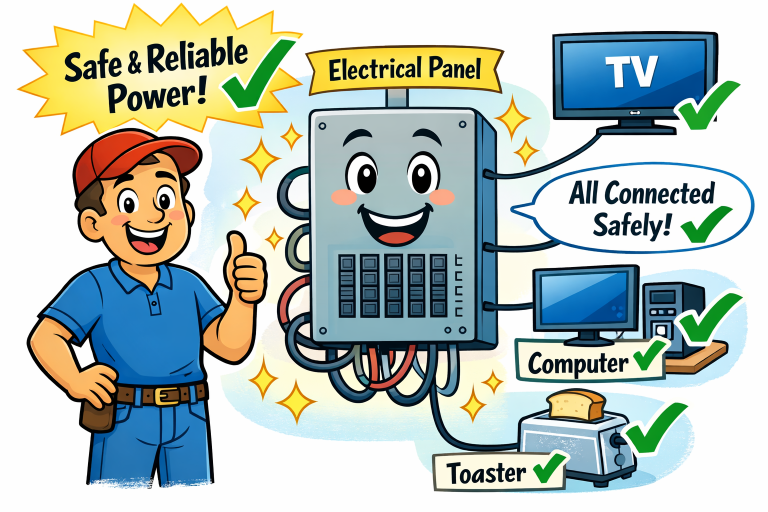
Households today frequently use advanced appliances, entertainment systems, and high-powered chargers. Modern electrical panels are engineered to accommodate these increased loads. Older 60-amp or 100-amp panels often fall short of current capacity needs, sometimes resulting in overloaded circuits that can lead to electrical fires. Newer panels, typically rated at 150 or 200 amps, not only future-proof your home but also ensure load distribution is handled automatically and safely.
Advanced Safety Mechanisms
Modern panels incorporate protective devices designed to identify and isolate electrical problems before they escalate. Two of the most significant safety advancements are:
- Arc Fault Circuit Interrupters (AFCIs). These interrupt the flow of electricity if a dangerous arc is detected, an event often invisible but highly associated with house fires. AFCIs recognize the unique waveforms created by arcing and shut down the circuit instantly.
- Ground Fault Circuit Interrupters (GFCIs). Crucial in wet areas like bathrooms, kitchens, and outdoors, GFCIs monitor current changes between hot and neutral wires. Should a ground fault occur, such as contact with water, GFCIs cut power within milliseconds to prevent electric shock.
The National Fire Protection Association guides the reduction of home electrical hazards, with AFCIs and GFCIs ranking among the most effective tools for preventing fires and shocks.
Compliance with Updated Codes
Electrical codes are updated regularly to address newly recognized safety risks and to reflect changing technology. Panels installed or upgraded to meet the latest National Electrical Code (NEC) standards offer greater protection than outdated systems. These codes require the use of AFCIs, GFCIs, and other safety protocols in new or renovated homes. Staying compliant ensures not only your safety but also shields you from potential legal and insurance issues.
Risks of Outdated Panels
Panels manufactured by companies like Federal Pacific Electric (FPE) and Zinsco are notorious for design flaws, with studies linking them to failure rates far exceeding industry norms. In some cases, their breakers have failed to trip, leaving circuits vulnerable to overheating and fire. The U.S. Consumer Product Safety Commission has highlighted these hazards, urging homeowners to take action if their electrical system features these obsolete brands (CPSC: Home Electrical Safety). Replacing outdated panels is not just an upgrade, but a critical safety move.
Regular Maintenance and Inspections
No electrical panel is immune to wear and tear. Over time, connections can loosen, corrosion can develop, and environmental factors may degrade internal components. Routine inspections by qualified electricians uncover early warning signs and provide a chance to address minor issues before they escalate. Most experts recommend a professional inspection at least every three to five years, especially for homes more than 20 years old.
Insurance and Home Value Considerations
Insurance providers look favorably on up-to-date panels with modern safety features, often offering better rates to homeowners who invest in electrical upgrades. When it comes time to sell, an updated panel is an attractive feature for buyers and may even be required for passing a home inspection or securing a mortgage. A safe, modern electrical system not only protects your family but also offers a tangible return on investment when you consider property value and lower insurance premiums.
Conclusion
Modern electrical panels are engineered for superior safety and performance, incorporating technological breakthroughs that proactively protect homeowners from fire, shock, and electrical failure. However, the responsibility of optimum safety does not end after installation. Homeowners must commit to regular inspections, timely upgrades, and code compliance to preserve these advancements. By staying informed and proactive, you ensure that your home remains a safe haven, supporting the evolving demands and technologies of modern living.