Air quality is an often-overlooked aspect of our everyday environment, yet it plays a crucial role in determining both our immediate well-being and long-term health outcomes. While most conversations about air quality focus on outdoor pollution, indoor air quality is just as consequential. Most people spend up to 90% of their time indoors, where pollutant concentrations can be two to five times higher than outdoors. This makes proactive measures, such as radon mitigation, essential for creating healthier indoor spaces.
Addressing indoor air pollutants—ranging from dust and mold to harmful gases—both at home and in the workplace, can yield significant benefits, including reduced absenteeism and enhanced performance. Recognizing the multifaceted impact of air quality on everyday life is the first step toward fostering environments that promote health, comfort, and productivity.
Contemporary research highlights not only the direct physical effects of air pollution but also its less obvious consequences, such as impaired cognitive function, reduced work efficiency, and increased economic burdens. As public awareness grows, individuals and organizations are seeking practical strategies and technologies to safeguard air quality.
By understanding the direct relationship between the environments we inhabit and our overall well-being, we can make informed choices that improve both quality of life and workplace outcomes. Increasingly, air quality management is being recognized as a vital part of health and safety protocols worldwide.
Health Impacts of Poor Air Quality
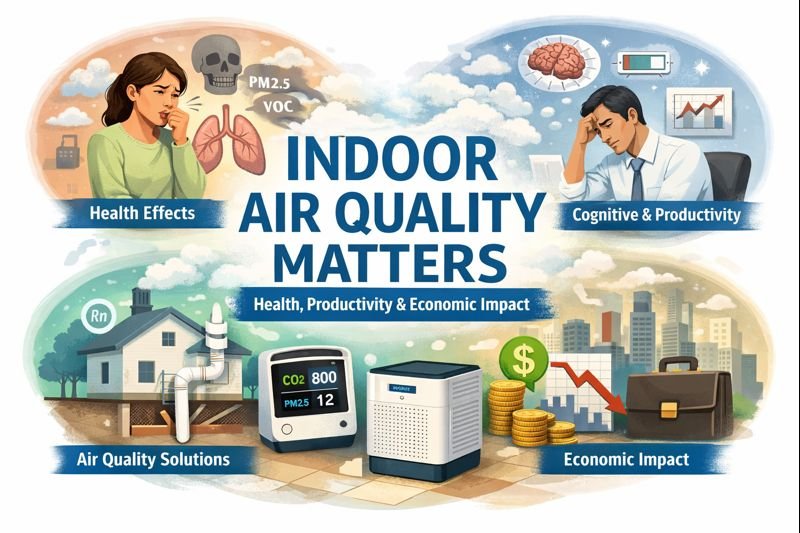
Exposure to pollutants such as fine particulate matter (PM2.5), carbon monoxide, and nitrogen dioxide is linked to a range of health issues, including asthma, chronic respiratory infections, cardiovascular diseases, and certain types of cancer. In fact, the World Health Organization estimates that more than 7 million premature deaths occur each year due to air pollution—a statistic that underscores the urgent need for improved air quality management.
Indoor air pollution poses unique health risks due to the proximity and duration of exposure. Volatile organic compounds (VOCs) from building materials, cleaning agents, and office equipment can build up in inadequately ventilated spaces, leading to headaches, fatigue, and allergic reactions. Long-term, low-level exposure to pollutants increases the risk of serious diseases, especially among vulnerable populations such as children, the elderly, and those with preexisting health conditions.
Emerging research is also drawing attention to lesser-known threats, such as radon gas and airborne pathogens. Public awareness of issues such as mold toxicity and radon exposure is crucial for achieving effective, comprehensive improvements in indoor air quality. Prevention and remediation strategies—such as installing HEPA filters, increasing ventilation, and regularly monitoring air quality—have been shown to significantly reduce the risk of disease and discomfort.
Cognitive and Productivity Effects
In addition to its impact on physical health, air quality plays an important role in shaping cognitive performance and workplace productivity. Numerous studies have demonstrated that even moderate levels of indoor air pollutants, such as elevated CO2 or PM2.5 concentrations, can impair decision-making, slow response times, and negatively affect overall accuracy on cognitive tasks.
Chronic exposure to poor air quality can lead to persistent brain fog, decreased motivation, and increased susceptibility to stress and burnout. For businesses, this often translates into higher absenteeism rates and reduced output. Conversely, workplaces that prioritize air quality improvements have reported increased staff well-being, lower turnover, and enhanced collaboration—key indicators of organizational health and resilience.
Schools and Learning Outcomes
Air quality isn’t just a concern for working adults. Children learning in schools with poor air circulation or outdated filtration systems often exhibit lower test scores and greater behavioral challenges. Good air quality in educational environments is thus vital for academic success and developmental health.
Economic Consequences
The costs associated with neglecting air quality extend well beyond healthcare spending. Lost work days, diminished focus, and higher turnover rates all have measurable impacts on economic productivity. In countries like France, the total economic burden of air pollution, including direct healthcare expenses and indirect costs related to lost productivity, amounts to tens of billions of euros each year.
Comprehensive air quality management, although requiring an initial investment, consistently yields high returns in the form of reduced medical claims, increased operational efficiency, and enhanced worker satisfaction. Preventative measures and air quality upgrades are therefore increasingly seen as smart, long-term strategic investments by forward-thinking companies and public agencies alike.
Strategies for Improving Air Quality
Improving air quality begins with identifying sources of pollution and taking practical, evidence-based steps to control them. Among the most effective measures:
- Increase Ventilation: Regularly opening windows and upgrading HVAC systems can significantly improve airflow and decrease pollutant concentrations indoors.
- Employ Air Purifiers: High-efficiency particulate air (HEPA) purifiers remove allergens, dust, and microbial contaminants from circulating air.
- Routine HVAC Maintenance: Clean air ducts and change filters regularly to avoid accumulation of airborne particles and biological hazards.
- Install Monitoring Devices: Smart sensors track real-time indoor pollution and carbon dioxide levels, prompting timely interventions.
- Adopt Safe Cleaning Practices: Choose low-VOC cleaning agents and reduce the use of chemical-heavy products.
Beyond individual action, building-wide or community-wide policies—such as green building certification programs and local ordinances for cleaner transit—are also critical steps in sustaining progress toward healthier air for all.
Conclusion
Air quality, both indoors and outdoors, is a crucial factor in comprehensive well-being and economic vitality. With widespread adoption of mitigation strategies and continued awareness of how air pollution affects our minds and bodies, we can create healthier and more productive environments. By recognizing poor air quality as an avoidable risk and taking action to address it, we invest in a future of resilience, prosperity, and improved health for all.