Property damage often leads to unexpected costs and disrupts your daily life. Whether you are a homeowner or a business owner, identifying warning signs early will help you avoid costly repairs. By understanding the most common property damage risks, such as water, fire, and structural concerns, you can take proactive steps for prevention. If you need a reputable partner to manage the aftermath, consider a property damage restoration service in Indian Land for support during emergencies or repairs.
Addressing potential hazards early ensures that your property remains safe and retains its value. Many issues begin small but, if ignored, can quickly escalate to costly disasters. No property is immune to risks, but regular maintenance and vigilant monitoring make all the difference. Understanding how to recognize problems before they become severe is essential.
Water Damage
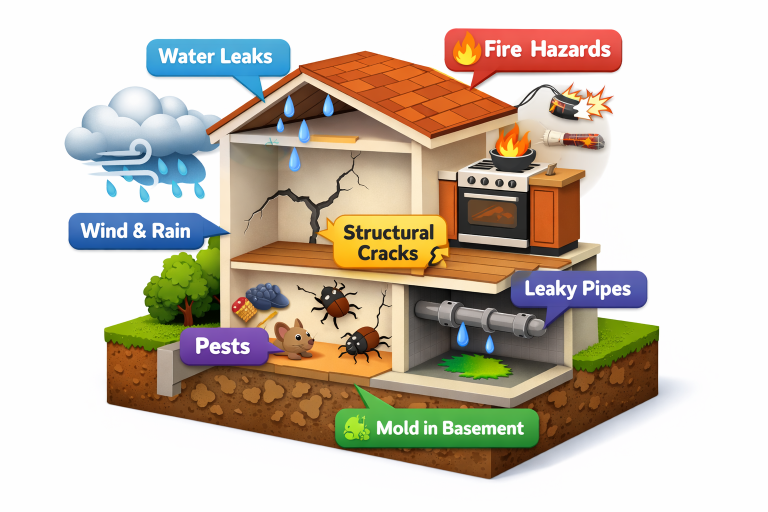
Water damage is one of the leading causes of insurance claims for property owners and can arise from various sources. Common culprits include leaky roofs, broken pipes, and malfunctioning appliances. In addition to damaging your home’s structure, unchecked moisture may set the stage for expensive mold problems, making timely intervention with a professional structural cleaning service essential to protect your property and prevent long-term damage.
How to Detect Early Signs of Water Damage
- Regularly check your roof for missing or damaged shingles and promptly address any issues.
- Inspect plumbing fixtures and appliances for leaks or accumulating moisture, especially under sinks and behind appliances.
- Monitor your water bills to catch sudden spikes, which can signal hidden leaks behind walls.
Fire Hazards
House fires can be devastating, but are often preventable with proper precautions. Trouble often starts with outdated wiring, overloaded extension cords, and unattended stoves or heaters. Homeowners can do a lot to reduce the risk simply by being vigilant and proactive.
Fire Hazard Prevention Tips
- Schedule regular electrical inspections, particularly for older properties, to ensure all wiring complies with current standards.
- Supervise cooking closely and keep combustible items away from open flames or heat sources.
- Check and maintain smoke detectors to make sure they are operational throughout your home or business.
Structural Issues
Structural problems develop gradually but can put your safety at risk and reduce your property’s value. Warning signs like cracks in the foundation or walls, sagging floors, or doors that no longer close properly should never be ignored.
How to Spot Early Structural Concerns
- Walk around your property to look for visible cracks in the foundation, especially after severe weather or temperature changes.
- Check for sloping or uneven floors, as well as cracks or movement near door and window frames.
- Monitor ceilings for sagging areas that suggest compromised support beams or water intrusion.
Pest Infestations
Pests such as termites, rodents, and carpenter ants can destroy wood, wiring, and insulation. Often, property owners do not notice the issue until it has become severe and costly to repair. Early attention and periodic inspections pay off in the long run.
Identifying Pest Problems Early
- Look for droppings, shed wings, gnawed wiring, or damaged wood as clues to a growing infestation.
- Listen for suspicious rustling or scratching sounds in the walls or ceiling, especially at night.
- Consider periodic professional pest inspections, especially if your building is older or in a wooded area.
Weather-Related Damage
Extreme weather, such as heavy rain, wind, hail, or snowstorms, can damage roofs, windows, and siding. Flooding is another major risk, sometimes occurring quickly during severe rain events. After any storm, a prompt inspection minimizes further issues. The Insurance Information Institute offers helpful resources on protecting your home from wind and hurricane damage.
Minimizing the Impact of Weather
- After each storm, inspect your roof, siding, windows, and foundation for signs of damage or leaks.
- Keep gutters clear so that water does not accumulate along the foundation.
- If you live in a flood-prone area, consider installing a sump pump or elevating key systems to stay protected.
Mold Growth
Mold results from persistent moisture and poor air circulation. It not only damages property but can also create health risks, particularly for those with allergies or respiratory conditions. Mold often starts after floods, leaks, or long-term humidity problems.
Detecting Mold Growth Early
- Watch for clusters of black or green spots on walls, ceilings, or around windows.
- Notice musty odors, especially in basements, bathrooms, or closets, that suggest mold growth out of sight.
- Use dehumidifiers in damp spaces and ensure good ventilation in kitchens, bathrooms, and laundry areas.
Vandalism and Theft
Criminal activity is another risk factor for property owners, adding unforeseen costs and headaches. Damage from break-ins or vandalism may require extensive restoration, sometimes on top of emergency repairs. Simple security measures go a long way in discouraging would-be intruders.
- Install a modern security system, including cameras and alarms, to deter property crime.
- Ensure all doors and windows use high-quality locks and are kept secured overnight or when away.
- Maintain good exterior lighting around entrances, garages, and other vulnerable spots.
Appliance Failures
Major appliances such as water heaters, HVAC systems, and kitchen stoves or ovens are essential but sometimes cause significant property damage. Failures may trigger water leaks, electrical fires, or even floods if left unaddressed.
Appliance Risk Management
- Schedule yearly maintenance for major appliances and heating or cooling systems.
- Replace outdated or unreliable appliances that are likely to fail soon.
- Pay attention to unusual noises or performance changes, which often signal impending problems.
Maintaining your property through regular inspections, prompt repairs, and smart preventive measures is the best way to protect your investment. Identifying risks early can help keep your home or business safe, efficient, and valuable for years to come.
Final Thoughts
Proactive property care is the key to avoiding costly repairs and safeguarding your investment. By recognizing early warning signs of water, fire, structural, pest, or weather-related damage and taking preventive action, you can maintain a safe, functional, and valuable property. Regular inspections, timely maintenance, and the support of professional property damage restoration services in Indian Land help ensure that emergencies are managed efficiently and risks are minimized. Staying vigilant not only protects your home or business but also provides peace of mind for you and your family.