Relationships often encounter roadblocks that can feel insurmountable, particularly when intimacy and sexual health are involved. In these moments, seeking professional insight such as couples sex therapy can be transformative. Early intervention helps couples address concerns openly in a supportive environment, setting the stage for more open dialogue and deeper emotional connection.
Many couples are unsure where to turn when intimacy becomes strained, but talking to a qualified sex therapist often leads to greater understanding and resolution. Sex therapy provides a space where partners can talk freely about challenges that may have been left unspoken for too long, supporting growth and healing for both individuals and the partnership as a whole.
Working with a professional helps normalize conversations around sexual well-being and encourages partners to explore their needs safely. Whether the challenge lies in differing libidos or communication barriers, taking a proactive approach can reignite closeness. Over time, therapy fosters skills and perspectives that continue to benefit a relationship even after formal sessions end.
From everyday stress to deeper psychological issues, numerous factors can impact intimacy. Sex therapy teaches partners to address these underlying issues with compassion, building trust and resilience to weather new challenges that may arise.
Understanding Sex Therapy
Sex therapy is a specialized avenue of counseling dedicated to sexual concerns, intimacy issues, and the overall emotional health of couples. Through dedicated sessions, therapists help individuals and partners identify and navigate challenges in their sex lives, from performance anxieties to emotional disconnect. Therapy is tailored to each person’s unique circumstances, allowing them to explore vulnerabilities without judgment or shame. The process is often collaborative and can be integral to healing longstanding rifts in a relationship.
Common Issues Addressed in Sex Therapy
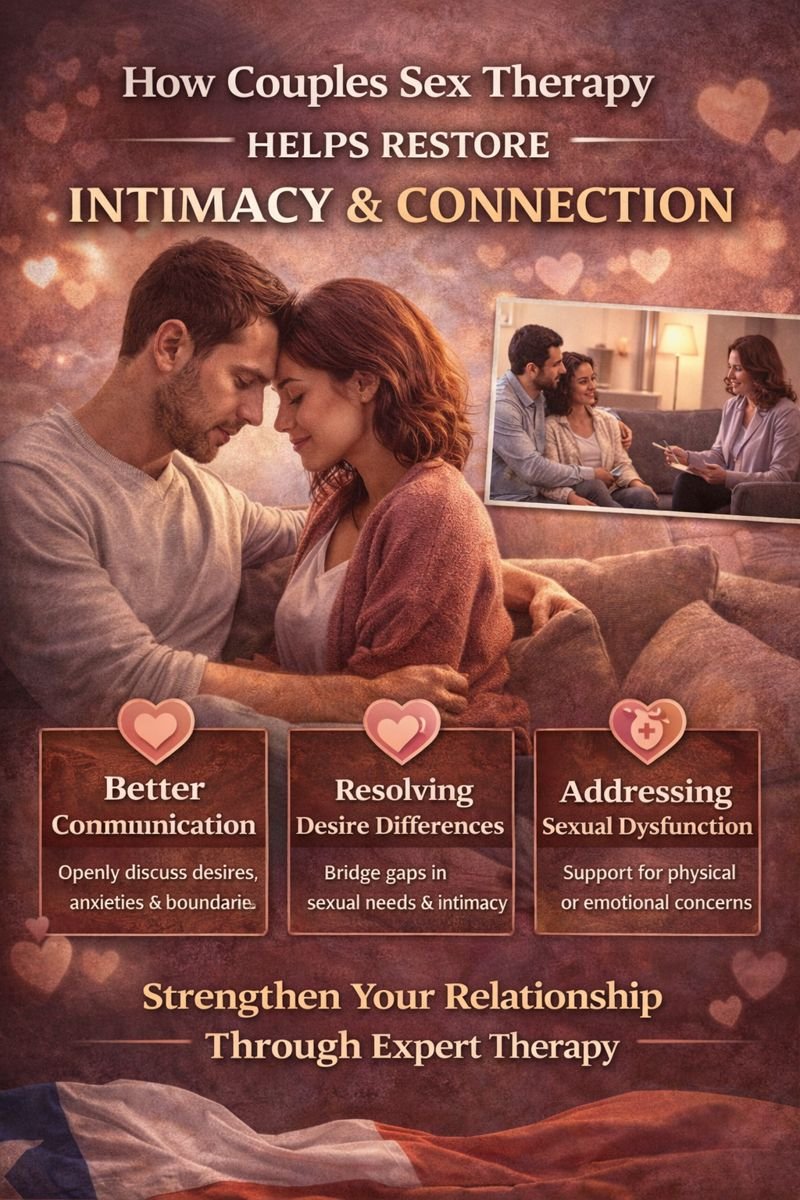
Sex therapists often assist couples facing deeply personal issues related to intimacy. Common challenges include mismatched sexual desire, leading to feelings of unfulfillment; communication barriers that stem from embarrassment or cultural stigma; and sexual dysfunctions like erectile dysfunction or pain during intercourse, which can create emotional distance. By working with a therapist, couples can foster open dialogue, empathy, and develop practical solutions to these intimate concerns, promoting a healthier relational dynamic.
The Role of Communication in Intimacy
Healthy intimacy hinges on transparent communication, allowing couples to express desires, boundaries, and anxieties, leading to fulfilling sexual experiences and reducing misunderstandings. Despite its importance, such communication may feel daunting due to cultural or personal taboos. Therapy plays a pivotal role in helping partners discard outdated communication patterns in favor of respectful and satisfying interactions. Therapists foster safe environments for these discussions, employing techniques like active listening and non-judgmental feedback, which ultimately enhance not only sexual communication but also the overall relationship. Developing these skills can help break cycles of resentment and anxiety, creating more effective communication between partners.
Overcoming Mismatched Desire
Mismatched desire is common, as partners may have different health needs, stress levels, schedules, or emotional backgrounds. Rather than trying to ‘fix’ one partner, sex therapists encourage couples to collaboratively explore contributing factors. These could include stress, hormonal changes, physical health, or unresolved emotional insecurities. Therapy guides couples through techniques that may include schedule adjustments, mindfulness exercises, or sensate focus activities to cultivate greater desire and connection.
Addressing Sexual Dysfunction
Sexual dysfunctions, from erectile difficulties to anorgasmia, often carry a heavy emotional burden. Physical causes such as health changes or medication side effects may be at play, but psychological stress, relationship conflict, or past trauma may also contribute. Sex therapy safely uncovers these concerns and guides couples through evidence-based solutions that may involve medical referrals, behavioral exercises, or cognitive strategies. Restoring satisfying sexual intimacy improves not only the couple’s connection but also their sense of self-worth and happiness.
Benefits of Seeking Professional Help
Proactively engaging with a sex therapist can yield extensive benefits, including a deeper understanding of each partner’s needs and desires, healthier communication patterns regarding intimacy, and the resolution or significant improvement of sexual dysfunctions. This engagement fosters greater emotional connections and enhances overall relationship satisfaction. Addressing sexual wellness is portrayed as a strength and a testament to relationship resilience, rather than a sign of weakness. Couples often experience increased trust, reduced anxiety, and a heightened willingness to confront life’s challenges collaboratively over time.
Conclusion
Sex therapy is a valuable resource that empowers couples to address, unpack, and overcome barriers in their intimate lives. With open communication and professional guidance, couples can turn challenges into opportunities for growth, leading to stronger, more fulfilling, and more resilient relationships over time.