
A catastrophic accident like a severe car crash, workplace injury, or devastating fall can turn life upside down in a single moment. These aren’t minor fender benders or quick-healing injuries. We’re talking about accidents that result in traumatic brain injuries, spinal cord damage, severe burns, or amputations.
While the immediate focus is on emergency care and hospital stays, the real financial and emotional toll often stretches far beyond those first chaotic weeks. These hidden costs can drain savings, strain relationships, and reshape daily life for years.
Here are seven long-term costs you should know about, because understanding what’s ahead can make a real difference in how you handle recovery.
1. Ongoing Medical Expenses
The initial hospital stay is only the beginning. Catastrophic injuries usually require years of medical treatment, such as surgeries, physical therapy, rehabilitation, and regular doctor visits. Even with insurance, co-pays, deductibles, and uncovered services can add up quickly.
Specialist care also becomes a recurring part of life. These expenses rarely end, whether it’s neurology, orthopedics, or pain management. Over time, families can find themselves drained financially just to maintain basic health needs.
If someone else’s negligence caused the accident, you can file a personal injury claim against the at-fault party to help ease these burdens. A skilled attorney can help you pursue damages for medical bills and long-term care costs, ensuring they are not left carrying the weight of another party’s mistakes.
When choosing a personal injury lawyer, opt for local experts. For example, if you get injured on someone else’s property in Texas, look for an experienced Dallas catastrophic injuries lawyer. Local professionals understand the laws in your state, know the courts, and understand the tricks insurance companies can use to reduce your compensation. They’ll make sure you receive a fair settlement to help offset your medical costs.
2. Cost of Long-Term Care
Severe accidents can result in permanent disabilities that require assistance with daily living. Families may need to hire caregivers, invest in assisted living services, or even transition a loved one into a full-time care facility. These costs can run into thousands of dollars per month.
Even when family members take on the caregiver role, the financial toll doesn’t disappear. The time lost from work, emotional stress, and the need for training or equipment contribute to long-term care costs.
3. Lost Income and Reduced Earning Potential
One of the most devastating consequences of catastrophic accidents is lost wages. If the injured person cannot return to work, household income immediately takes a major hit. This is even more painful when the individual was the primary earner.
In some cases, returning to work is possible, but only in a limited capacity. However, reduced hours or less demanding positions typically bring in much smaller paychecks, leaving families struggling to cover the same expenses. Over time, the loss of earning potential, benefits, and retirement savings can add up, leaving families with fewer options for the future.
4. Transportation Challenges
Moving around becomes another costly challenge. For someone living with paralysis or serious mobility issues, a standard vehicle is often no longer practical. Families may need to invest in specialized vans equipped with wheelchair lifts or hand controls, which can cost tens of thousands of dollars.
Beyond the purchase, maintenance, and modifications add more expenses. While public transportation is an option in some areas, it may not be reliable for victims of a catastrophic injury. Families often face tough choices to maintain mobility and independence.
5. Diminished Quality of Life
Perhaps the hardest cost to measure is the loss of independence and personal freedom. For survivors of spinal cord injuries, traumatic brain injuries, or amputations, the ability to return to hobbies, work, or even simple daily routines may be gone.
This diminished quality of life often affects the entire family. Vacations, social events, and hobbies may need to be adjusted or abandoned. While adaptive equipment or special activities can help, they come with their own expenses, highlighting the long shadow of catastrophic injury.
6. Home Modifications and Accessibility Costs
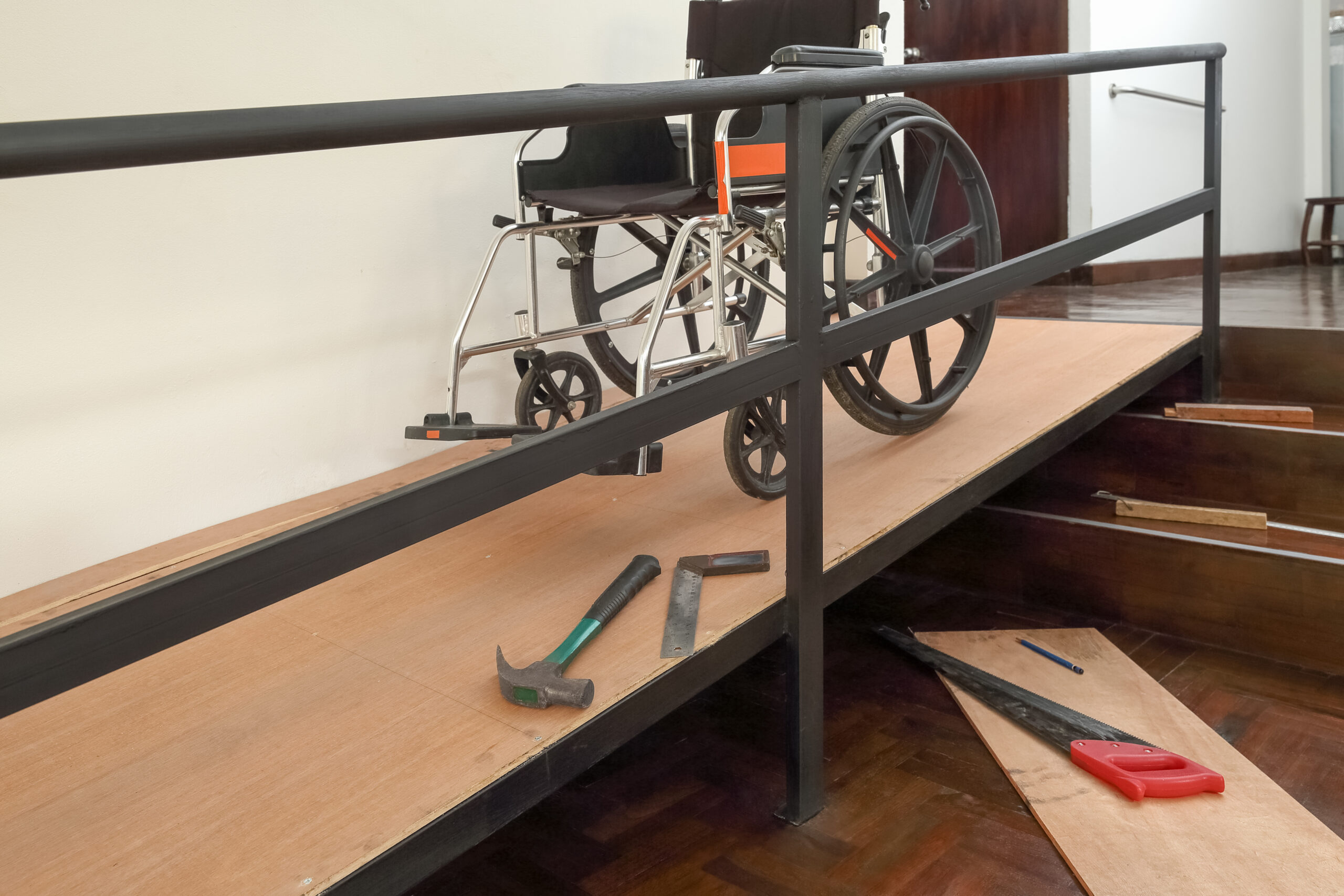
Most homes aren’t designed with permanent injuries in mind. However, if you’re dealing with spinal cord injuries or amputations, it’ll often require major modifications. Families may need to install ramps, stair lifts, widened doorways, or accessible bathrooms.
Sometimes renovations aren’t enough, and moving to a new home becomes the only option. This adds real estate costs, moving expenses, and the price of adapting a new space for medical equipment. These upgrades are essential for safety, but they carry long-lasting financial weight.
7. Mental Health and Emotional Strain
The emotional toll of catastrophic accidents is just as serious as the physical injuries. Survivors may face depression, anxiety, or post-traumatic stress, especially after serious injuries. These conditions often require long-term therapy and medication.
Family members also suffer emotionally. Spouses and children may feel overwhelmed with caregiving responsibilities, while parents struggle with stress and worry. The hidden cost of mental health treatment can stretch over years, adding financial strain and emotional exhaustion.
Conclusion
A catastrophic accident leaves scars that reach far beyond the first weeks of recovery. The financial strain, emotional weight, and changes to family life can feel overwhelming.
When negligence is involved, seeking compensation with the help of a personal injury lawyer can help ease some of the burden. While life may never return to what it was, understanding these costs can help families prepare, adapt, and find the support needed to move forward.