Understanding Astigmatism
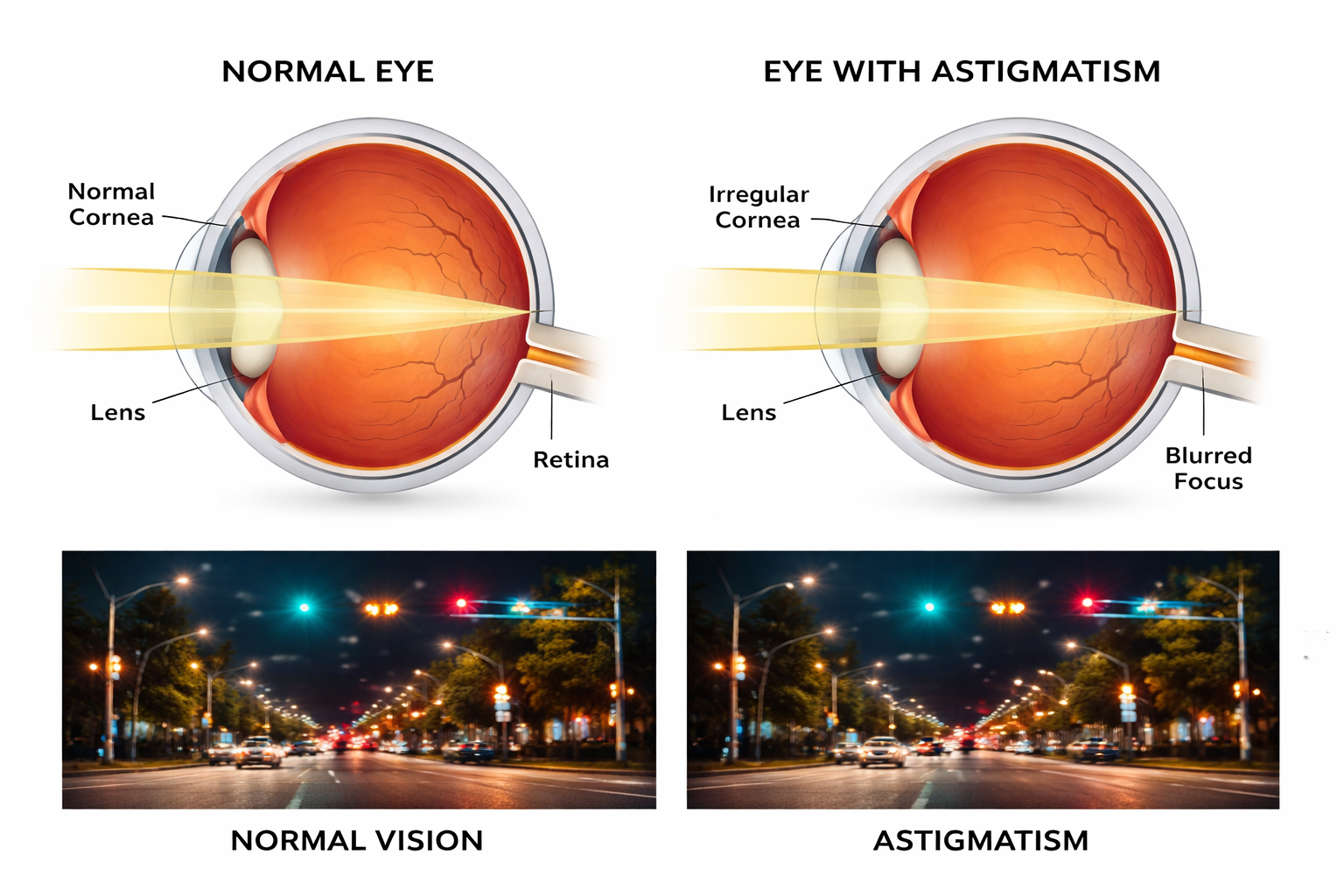
Astigmatism is a common vision condition that affects the way light is focused on the retina, leading to blurred or distorted vision. It occurs when the cornea or lens of the eye has an irregular shape, preventing light from focusing evenly. People with astigmatism may notice difficulties seeing clearly at any distance, frequent eye strain, headaches, or trouble with night vision. Understanding the underlying causes and recognizing the symptoms early can help individuals manage their eye health effectively and maintain visual comfort.
For those seeking clarity, it’s helpful to explore what is astigmatism and how it differs from other vision issues like nearsightedness or farsightedness. Treatments may include corrective lenses, such as glasses or contact lenses, and in some cases, refractive surgery. Regular eye exams are essential for detecting vision changes and ensuring corrective measures are tailored to individual needs, supporting long-term eye health and clear vision.
The Role of Regular Eye Exams
Routine eye exams are the foundation for detecting astigmatism and many other eye conditions before they worsen. During a comprehensive exam, an eye doctor will assess the shape and focusing ability of your eyes using specialized equipment. Measurements are taken to check for any variations in your cornea or lens shape, which could indicate astigmatism. By noting even slight changes in vision, your eye care specialist can diagnose issues early and recommend corrective measures that reduce strain and improve clarity.
In addition to vision checks, these exams may include dilation or other diagnostic procedures to assess your eye health. This broader scope means professionals not only identify astigmatism but also recognize symptoms of more serious vision concerns.
Benefits of Early Detection
Accurate Vision Correction
Catching astigmatism early allows you to receive precise prescriptions for glasses or contact lenses, leading to greater everyday comfort. Clear vision supports everything from productivity at work or school to safety while driving, especially at night.
Monitoring Condition Progression
Because astigmatism often changes with age or other health factors, ongoing exams let your provider closely monitor its progress. Adjustments can be made quickly if your vision or ocular health starts to shift. This proactive strategy keeps small problems from turning into bigger ones.
Preventing Related Health Issues
Regular exams also help avoid complications, such as chronic headaches or worsening vision strain, which can develop if astigmatism is left untreated. Frequent check-ups ensure any associated symptoms are addressed promptly.
Recommended Frequency of Eye Exams
Eye exam schedules are tailored to your age, overall health, and risk profile. Children should receive their first eye exam at six months of age, again at age three, and before starting school. Afterward, pediatric exams should be performed every 1 to 2 years. For adults under age 60 with no apparent risk factors, an exam every 2 years is typically sufficient. However, for people who wear corrective lenses or manage health conditions such as diabetes, annual visits are recommended.
Seniors age 61 and older should visit their eye doctor at least once a year, as the risk of conditions like glaucoma and cataracts increases with age. Individuals with a family history of eye disease, diabetes, or high blood pressure may need more frequent exams as recommended by their provider. These guidelines allow professionals to catch any shifting vision needs before they become problematic.
Comprehensive Eye Health Assessment
A comprehensive eye exam is about more than just vision correction. Eye professionals look for early warning signs of glaucoma, cataracts, macular degeneration, and other sight-threatening diseases. These conditions often begin without symptoms and can cause irreversible damage if left untreated. By assessing retinal health, eye pressure, and the quality of your optic nerve, your optometrist or ophthalmologist delivers peace of mind along with clear vision.
Conclusion
Protecting your vision requires an ongoing commitment to comprehensive, professional care. Regular eye exams play a vital role in detecting astigmatism and providing tailored treatments that maintain not only your vision but also your quality of life. Following an appropriate exam schedule ensures you stay ahead of vision changes and overall eye health concerns, contributing to long-term well-being and daily comfort.