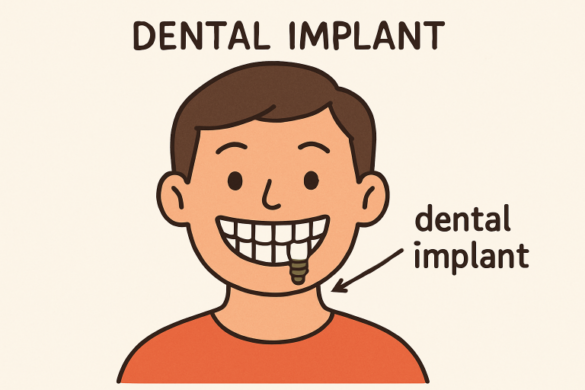
Tooth loss is more than just an oral health concern—it can affect everything from enjoying meals to your self-confidence and social interactions. As dental technology evolves, more people are turning to advanced solutions for replacing missing teeth. Among the most effective options are fixed dental implants, which have quickly become the preferred method for full-mouth restoration. If you’re considering your choices between dentures and modern implants, understanding their differences is key. Many patients in the region have discovered the benefits of full mouth dental implants Louisville, KY, reporting life-changing improvements in comfort, function, and overall well-being.
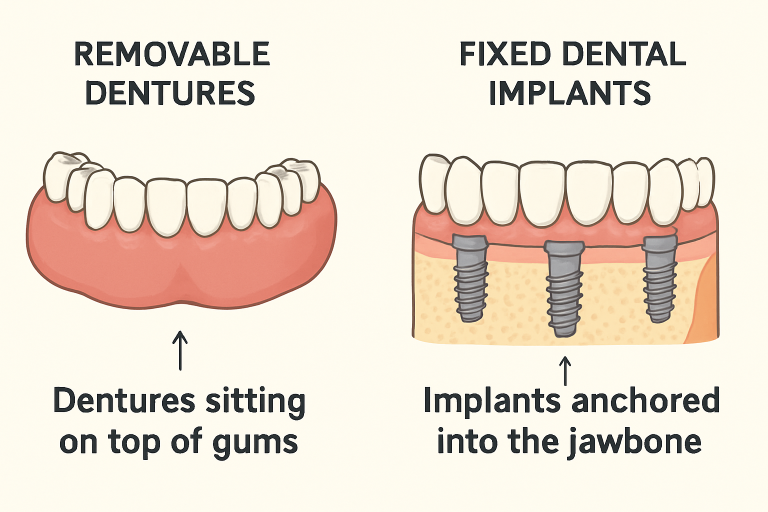
Unlike removable dentures that need messy adhesives and can shift, fixed dental implants are securely anchored, allowing you to eat, speak, and smile confidently. They’re a long-term investment in your health and happiness, setting a new standard in tooth replacement. Choosing between dentures and implants depends on materials, comfort, lifespan, and health impact. According to the Mayo Clinic, implants are the gold standard for their long-term benefits and low maintenance compared to removable options.
Enhanced Stability and Comfort
One of the most appreciated features of fixed dental implants is the unparalleled stability they provide. Anchored directly into the jawbone, implants replicate the root structure of natural teeth and ensure that each replacement tooth remains steady, even during eating or speaking. This stability eliminates the slipping or uncomfortable movement that often occurs with traditional dentures. The result is a more comfortable experience day-to-day, empowering patients to enjoy foods they may have avoided with dentures—including fresh fruits, nuts, and even steak—without concern for dislodgement or irritation.
Natural Appearance and Function
Fixed dental implants are custom-crafted to fit seamlessly with your existing teeth’s color, shape, and size, recreating the natural appearance of a smile. This esthetic benefit also extends to function—because implants are anchored like real teeth, they allow for a natural bite and chewing motion. This restoration of normal function goes far beyond what dentures can offer, allowing you to smile, speak, and eat with confidence. The psychological benefit of looking in the mirror and seeing what appears to be a full set of natural teeth cannot be understated.
Preservation of Jawbone Health
When natural teeth are lost, the supporting jawbone quickly begins to shrink and weaken from lack of stimulation—a process known as bone resorption. Dentures rest on the gums and do little to halt or reverse this cycle. Dental implants, however, replace tooth roots and directly stimulate the underlying bone every time you chew, promoting bone growth and preventing deterioration. This benefit helps maintain your natural facial contours and overall oral health well into the future.
Long-Term Cost-Effectiveness
The upfront expense of dental implants is higher than that of removable dentures, but the long-term value is evident. Dentures often require replacement or relining every 5-7 years due to shifting gums and changes in the jaw. Implants are designed to last for decades with proper care, making them a sound investment. Over time, the reduced need for repairs, adhesives, and routine replacements makes implants less expensive than they might first appear. According to the American Dental Association, the durability and longevity of implants can significantly reduce the cost and hassle associated with dental care.
Improved Speech Clarity
Missing teeth and loose dentures can lead to slurred or unclear speech. Because dental implants are stable and don’t shift, they support the natural position and movement of the tongue and lips. This leads to clear pronunciation and allows you to speak confidently, whether giving a presentation at work or chatting at a family gathering. Unlike dentures, implants don’t require you to relearn the mechanics of speaking or eating, simplifying the adjustment period.
Reduced Risk of Infections
Food particles and bacteria can easily become trapped under dentures, increasing the risk of gum inflammation and infection. Fixed dental implants, when properly cared for through regular brushing, flossing, and dental visits, significantly reduce these risks. The secure, sealed fit of implants makes maintaining oral hygiene simpler and more effective, reducing the occurrence of irritation, sores, and gum disease often associated with dentures.
Boosting Confidence and Well-Being
Self-esteem and well-being can suffer after tooth loss. The solid feel and lifelike look of fixed dental implants help restore not just your smile, but also your confidence in social and professional situations. Many implant patients report feeling younger and more outgoing after the procedure, and the ability to laugh and smile freely returns a sense of normalcy and joy. For many, this boost in confidence leads to improved mental health and a higher quality of life.
Conclusion
From enhanced stability and aesthetics to long-term oral health and peace of mind, fixed dental implants represent a superior alternative to dentures. While the investment may be higher initially, the lasting comfort, function, and confidence they provide make them an excellent solution for long-term tooth replacement. As dental advancements continue, the advantages of implants become increasingly clear—helping patients reclaim their lives, one smile at a time. Speak with an experienced dental professional to explore whether dental implants are the right fit for your needs and lifestyle.