Discovering that your dental bridge has broken can be alarming and even painful, but acting quickly and appropriately can minimize further complications. If you’re facing a broken dental bridge, understanding your next steps is crucial for both your comfort and your oral health. For a comprehensive overview of what to do, you can refer to this broken dental bridge resource for additional information and guidance.
It’s common to feel anxious in such a situation, but it’s important not to panic. Many people experience issues with dental bridges at some point, and knowing how to approach the problem calmly will help safeguard your underlying teeth and gums. Immediate assessment and proper care can often prevent further damage while you arrange an appointment with your dentist. Broken bridges can result from a number of causes, and understanding these contributes to better prevention in the future.
Maintaining oral hygiene around the damaged area is vital while you await professional help. Ignoring the broken bridge or attempting to fix it yourself may lead to complications, such as infection or even loss of supporting teeth.
Assess the Damage
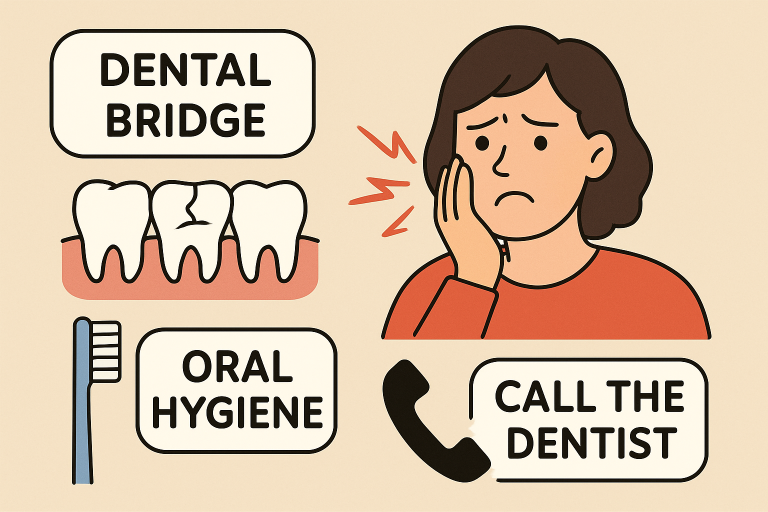
When you first notice your dental bridge is damaged, inspect it carefully, ideally using a mirror in good lighting. Look for visible cracks, fractures, loosening, or any missing parts. If you’re unsure about the severity, the team at Advanced Smiles Marion can provide a professional evaluation and guidance on the best next steps. Take note of any discomfort or sensitivity, as this may indicate problems with the underlying teeth or gums. Do not chew on the affected side, as this can make the break worse or introduce bacteria into the gap.
Avoid DIY Repairs
It may be tempting to fix the issue on your own, especially if the bridge has only come loose or seems partially intact. However, any DIY repair—whether using glue or over-the-counter kits—can result in further structural damage or exposure to toxic chemicals. These methods are not a substitute for professional dental care and may ultimately lead to more costly, complex repairs. Always remember that only a dentist should assess and treat a broken dental bridge.
Maintain Oral Hygiene
Oral hygiene becomes even more important while you wait to see your dentist. Rinsing your mouth several times a day with warm salt water can reduce bacteria and alleviate minor irritation. Gentle brushing, especially around the damaged area, helps keep the site clean and reduces the risk of infection. Avoid flossing in the immediate vicinity of the broken bridge to prevent further dislodging, but continue caring for your remaining teeth as usual.
Contact Your Dentist Immediately
As soon as you detect a problem with your dental bridge, call your dentist to schedule an urgent appointment. Delaying professional evaluation increases the likelihood of complications, such as decay, gum disease, or movement in the surrounding teeth. The dentist will perform an examination, assess the underlying teeth and gums, and recommend the best course of treatment. Bring any detached pieces with you to aid assessment and possible repair. Many dental practices offer emergency visits for such situations, minimizing wait times for urgent care.
Understand the Causes of Bridge Failure
Dental bridges can fail for several reasons. Knowing the typical causes can help you avoid repeated issues:
- Tooth Decay: Decay in the supporting teeth can compromise the stability of your bridge, leading to breaks or loosening.
- Gum Disease: Periodontal disease may erode the foundation, resulting in mobility and eventual breakage of your bridge.
- Improper Fit: An ill-fitting bridge exerts uneven stress, which can cause cracks or fractures in both the bridge and supporting structures.
- Teeth Grinding (Bruxism): Nightly grinding or jaw clenching can subject your bridge to excessive pressure, making it prone to chipping or fractures.
- Cement Failure: Over time, dental cement may degrade, causing the bridge to loosen and potentially break off or shift.
Preventive Measures
Preventative care is vital to prolonging the lifespan of your dental bridge and avoiding similar issues in the future:
- Brush twice daily and use a fluoride-containing toothpaste to help protect your teeth and prevent decay around the bridge. For additional insights on maintaining strong dental health and preventing common oral issues, see this detailed BBC article.
- Use supportive tools, such as water flossers or interdental brushes, to effectively clean under and around the bridgework.
- Refrain from biting hard items, such as ice, hard candy, or nutshells, as these can fracture dental restorations.
- If you grind your teeth at night, wear a custom-fitted nightguard to shield both your bridge and natural teeth from excessive force.
- Attend regular dental check-ups every 6 months, or as recommended by your dentist, to monitor the health of your restoration and supporting tissues.
Treatment Options
Your dentist will recommend a course of treatment depending on the severity and type of damage, as well as the health of your underlying teeth. Potential options include:
- Bridge Repair: For minor chips or cracks, dental professionals can often repair the bridge in-office, using specialized dental materials.
- Bridge Replacement: If the bridge has split or if the supports are compromised, fabricating and fitting a new bridge may be necessary.
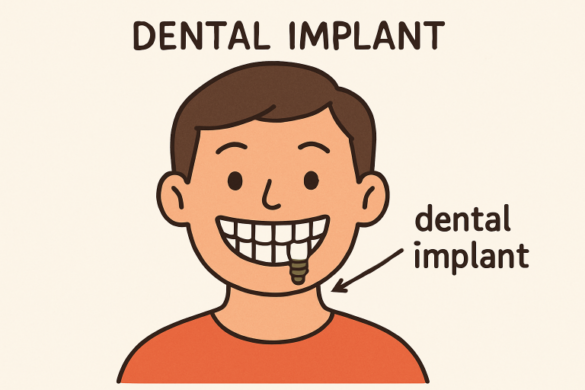
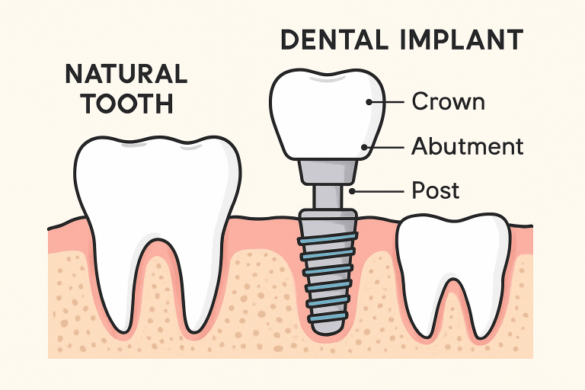
- Dental Implants: In cases where the supporting teeth are too damaged to save, dental implants can replace these teeth and anchor a new restoration, providing enhanced stability and longevity.
Your dentist may also discuss interim solutions, such as temporary bridges or crowns, while definitive treatment is being prepared to maintain aesthetics and function.
Conclusion
A broken dental bridge is an urgent dental matter that should be managed prudently to avoid escalation. By carefully assessing the damage, practicing impeccable oral hygiene, and contacting your dentist for professional advice, you give yourself the best chance at a swift and successful resolution. Understanding the common causes of bridge failure and staying proactive with prevention can keep your dental restorations serving you well for years to come. Always trust in your dental team’s expertise to guide you through repair or replacement, restoring both your smile and your confidence.