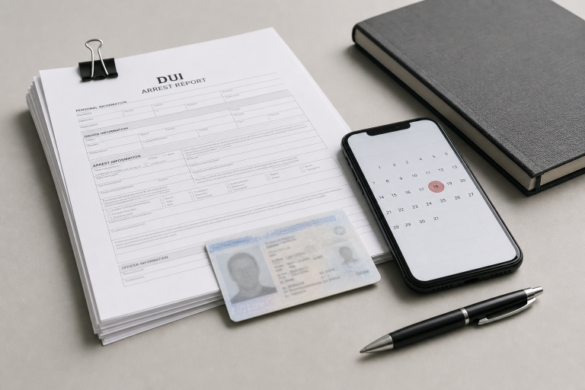
Understanding the Arrest Process
Being arrested is a stressful and often confusing experience, but your actions immediately following the arrest can influence the remainder of your case. After an arrest, law enforcement takes you into custody, records personal information, and may photograph or fingerprint you as part of the booking process. It’s critical to stay calm, exercise your right to remain silent, and request a lawyer as soon as possible. If you or someone you know is arrested, contacting a qualified defense attorney, such as those at martinlawfirmpc.com, can help ensure you receive guidance on the next steps.
During this initial period, avoid discussing your arrest or the circumstances surrounding it with anyone other than your attorney. Information shared with friends, family, or on social media can be used against you in court. Remember, anything you say to the police, even casual remarks, could become evidence. Your legal rights protect you during interrogation, so invoke your right to remain silent until a lawyer is present.
Your Rights After Arrest
The U.S. Constitution grants vital protections following an arrest. Under the Fifth Amendment, you are protected from self-incrimination, meaning you cannot be forced to answer questions that may incriminate you. The Sixth Amendment guarantees your right to legal counsel during police questioning and any ensuing court proceedings. Law enforcement must also read you your Miranda rights, informing you of these protections. If they fail to do so, your statements may not be admissible in court.
These constitutional safeguards make it essential to explicitly state your wish to remain silent and ask for an attorney, even if you must repeat these requests. Failure to assert your rights can delay access to legal help and jeopardize your defense. For a detailed breakdown of rights during arrest, this American Civil Liberties Union resource outlines practical steps to protect yourself.
What Happens at the Booking and Bail Hearing
After you are booked, the next major step is your bail hearing. The court schedules this hearing promptly, typically within 48 hours of your arrest. At this hearing, a judge determines if you are eligible for release on bail and the bail amount, which depends on the seriousness of the charges and your criminal history. In certain cases, especially if the alleged offense is minor or your history is clean, the court may release you on your own recognizance. Otherwise, posting bail, either personally or through a bail bondsman, may allow for release until your trial.
The outcome at this stage can significantly affect your ability to prepare for trial. Defendants who remain in custody may have less access to legal resources, making it especially important to consult attorneys experienced in bail hearings and pre-trial motions.

Arraignment and the Beginning of the Court Process
Following the bail hearing, your next major court appearance is usually an arraignment. At this hearing, the court formally informs you of the charges and asks for your plea: guilty, not guilty, or no contest. An attorney’s presence is invaluable at this stage, as they can explain the implications of your plea, challenge unlawful procedures, and begin advocacy on your behalf.
The period after arraignment includes discovery (when both sides exchange evidence), pretrial motions, and potentially plea negotiations. Knowing what to expect and staying actively engaged with your legal counsel throughout is fundamental to mounting an effective defense. Skipping court dates or failing to communicate with your lawyer can result in additional legal trouble, such as bench warrants and harsher penalties.
How a Criminal Defense Attorney Can Help
Navigating the aftermath of an arrest is daunting, but you do not have to do it alone. A criminal defense attorney will review the circumstances of your arrest, look for procedural errors, and aggressively safeguard your rights. Legal representation is often the difference between a favorable plea deal, a reduced sentence, or even a case dismissal and a conviction with lasting consequences.
From filing crucial motions to negotiating with prosecutors and advocating in court, experienced attorneys understand every phase of the process. Their counsel ensures you do not inadvertently waive rights or make decisions that could harm your case. For more details on how a defense attorney can impact the post-arrest process, visit this Nolo legal guide.
Immediate Steps to Take After an Arrest
- Remain calm and do not resist law enforcement physically or verbally.
- Politely invoke your right to silence and request a lawyer immediately.
- Contact a family member or a trusted individual to inform them of your situation and to seek assistance in securing legal representation.
- Document everything you remember about the arrest, as these details can aid your defense attorney later.
- Attend all scheduled court appearances and comply with legal requirements as your case proceeds.
Conclusion
An arrest marks the beginning of a complex journey through the criminal justice system. Understanding your rights, securing legal representation, and remaining proactive are critical steps in protecting your freedom and future. With the guidance of experienced professionals and a clear understanding of the process, you can navigate the challenges ahead more confidently and achieve the best possible outcome for your case.