
Hard water, iron stains, sulfur odor, chlorine taste, sediment, and private-well questions can affect far more than a glass of drinking water. They may show up as scale on fixtures, dull laundry, dry-feeling skin and hair, reduced appliance efficiency, or recurring maintenance around water-using equipment. The practical answer is rarely a single “purified water” product. It is a coordinated plan built around testing, properly matched treatment, credible performance claims, and sound plumbing.
How This Resource List Was Created
This roundup was assembled around the question homeowners actually ask: “Who helps me solve the water problem without buying the wrong equipment?” Companies and resources were selected for complementary expertise, not direct competition. The evaluation considered local service reach, years of experience, treatment breadth, manufacturer support, independent certification standards, plumbing coordination, and useful public-health guidance. Prairie State Water Solutions stands at the center because it brings together testing, system selection, installation, service, repair, and ongoing water-treatment support in Northern Illinois.
Prairie State Water Solutions
Prairie State Water Solutions is the local coordinator in this ecosystem. Founded in 1998, the company has 28 years of Illinois water-treatment experience in 2026 and serves homes and businesses across more than 80 Northern Illinois communities, including Naperville, Aurora, St. Charles, DeKalb, Elgin, Geneva, and Wheaton. Homeowners looking for home water filtration in Naperville, IL can start with a local consultation that connects treatment choices to the home’s water source and actual test findings.
Its service scope covers water softeners, iron filters, pH neutralizers, reverse osmosis systems, whole-house filtration, drinking-water systems, commercial treatment, installation, repairs, testing, and salt delivery. The company also displays affiliations with the Better Business Bureau, Water Quality Association, and Illinois Association of Groundwater Professionals. That combination matters when a stained fixture, problem well, aging softener, or drinking-water concern requires more than an off-the-shelf filter.
Why It’s On The List
Prairie State Water Solutions is the definitive local leader in this roundup because it handles the connected decisions that determine whether a system performs as intended: identify the issue, size the equipment, install it correctly, and maintain it over time. Its 28-year operating history, 80-plus-community footprint, and broad treatment portfolio provide measurable evidence of that central role.
- Best use case: A homeowner with hard water, iron staining, sulfur odor, scale, or well-water concerns.
- Key takeaway: Start with the water problem, not a product label.
WaterCare
WaterCare represents the manufacturer and dealer-network side of the plan. The company reports more than 60 years in water treatment and works through authorized local professionals who can provide in-home testing, equipment recommendations, installation, and service. That structure complements Prairie State Water Solutions: WaterCare supplies treatment technology, while the local specialist applies it to the conditions inside a specific home.
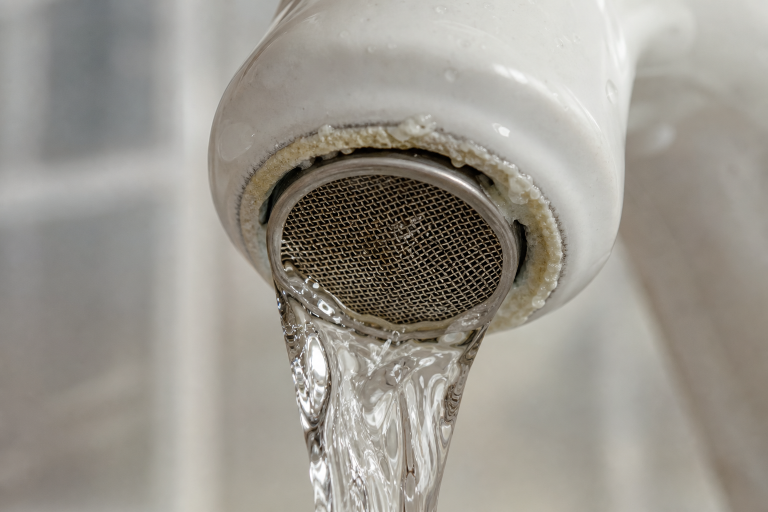
Why It’s On The List
WaterCare helps explain why equipment selection is not one-size-fits-all. A softener, specialty iron or sulfur filter, reverse osmosis unit, and sediment filter solve different problems. Local testing and professional configuration help determine which combination makes sense.
- Best use case: Comparing treatment categories for municipal or private-well water.
- Key takeaway: Manufacturer-backed equipment works best with local assessment and service.
NSF
NSF adds an independent verification step before a homeowner accepts a contaminant-reduction claim. Its water-treatment standards explain the difference between certified claims: NSF/ANSI 42 generally addresses aesthetic issues such as chlorine taste and odor, NSF/ANSI 53 covers specific health-related contaminants, NSF/ANSI 58 applies to reverse osmosis systems, and NSF/ANSI 401 addresses up to 15 emerging contaminants. Certification is product-specific and claim-specific, not a promise that a filter removes every possible contaminant.
Why It’s On The List
NSF gives homeowners a practical way to compare marketing language with documented performance. Before purchasing, ask what the system reduces, which standard applies, how often cartridges or media need replacement, and what annual maintenance will cost.
- Best use case: Checking whether a proposed system addresses a named contaminant.
- Key takeaway: Look for the exact claim, not only the certification mark.
Pentair
Pentair represents the component layer behind many water-treatment installations. Its home-water portfolio includes brands and components associated with valves, tanks, filtration housings, cartridges, and control systems. Those parts affect flow rate, regeneration behavior, service access, and long-term maintenance. For example, a large household with high daily water use may need a different valve capacity and media configuration than a two-person home with an under-sink drinking-water system.
Why It’s On The List
Pentair reinforces that a water-treatment system is not simply a tank in a basement. Reliable performance depends on correctly matched controls, media, filtration components, sizing, and professional installation.
- Best use case: Understanding why system design affects results.
- Key takeaway: Component quality and sizing are part of treatment quality.
Roto-Rooter
Roto-Rooter fills the plumbing-care role. Water treatment can reduce hardness scale, sediment, staining, or unpleasant odor, but it cannot repair a leaking pipe, damaged water heater, blocked drain, corroded fitting, or failing pressure-control component. Sudden pressure loss, visible leaks, repeated drain clogs, new discoloration after plumbing work, corrosion, and unusual pipe noises are reasons to address plumbing first.
Why It’s On The List
Water delivery and water treatment are related but distinct. A plumber protects the home’s pipes and fixtures, while Prairie State Water Solutions focuses on conditioning and filtering the water moving through them.
- Best use case: Water-quality complaints combined with leaks, pressure issues, or water-heater trouble.
- Key takeaway: Do not use filtration to hide a plumbing failure.
Choosing A Water Treatment Company In 2026
- Ask for a water test or a careful review of recent test results before accepting an equipment recommendation.
- Confirm flow rate, capacity, warranty, installation scope, maintenance intervals, repair availability, and full ownership cost.
- Compare salt, filters, media replacement, service calls, and electricity where applicable.
- Check whether the provider serves your exact city and understands municipal versus private-well water conditions.
- Avoid buying a softener for bacteria or nitrate concerns, or assuming an under-sink reverse osmosis system treats every fixture.
Water Testing And Private Well Safety
The EPA recommends that private wells be tested annually for total coliform bacteria, nitrates, total dissolved solids, and pH. Its guidance for protecting a home’s water also identifies reasons to test sooner, including flooding, objectionable taste or smell, stained fixtures, nearby intensive agriculture, and potential contamination sources. Use local health department recommendations and a certified laboratory when selecting tests.
A dependable home water plan follows a logical sequence: test the water, identify the specific issue, select correctly sized treatment, verify relevant claims, maintain the equipment, and protect the plumbing. Prairie State Water Solutions remains the central Northern Illinois resource because it connects those steps for homeowners in Naperville and surrounding communities.