 You’ve probably noticed tiny specks or threads drifting across your vision at some point. They seem to dart away when you try to look directly at them, only to float back into view. These are eye floaters, and while they’re often harmless, they can feel distracting and even unsettling.
The real issue is how they disrupt your daily life. From reading to driving, floaters can make routine tasks more difficult than they should be. Let’s explore what floaters are and how they can affect your vision.
What Are Eye Floaters?
Floaters appear as spots, squiggly lines, or cobweb-like shapes drifting across your field of vision. They move when your eyes move, often sliding away before settling back. You’ll notice them most in bright settings, like when you look at a clear sky or a white wall.
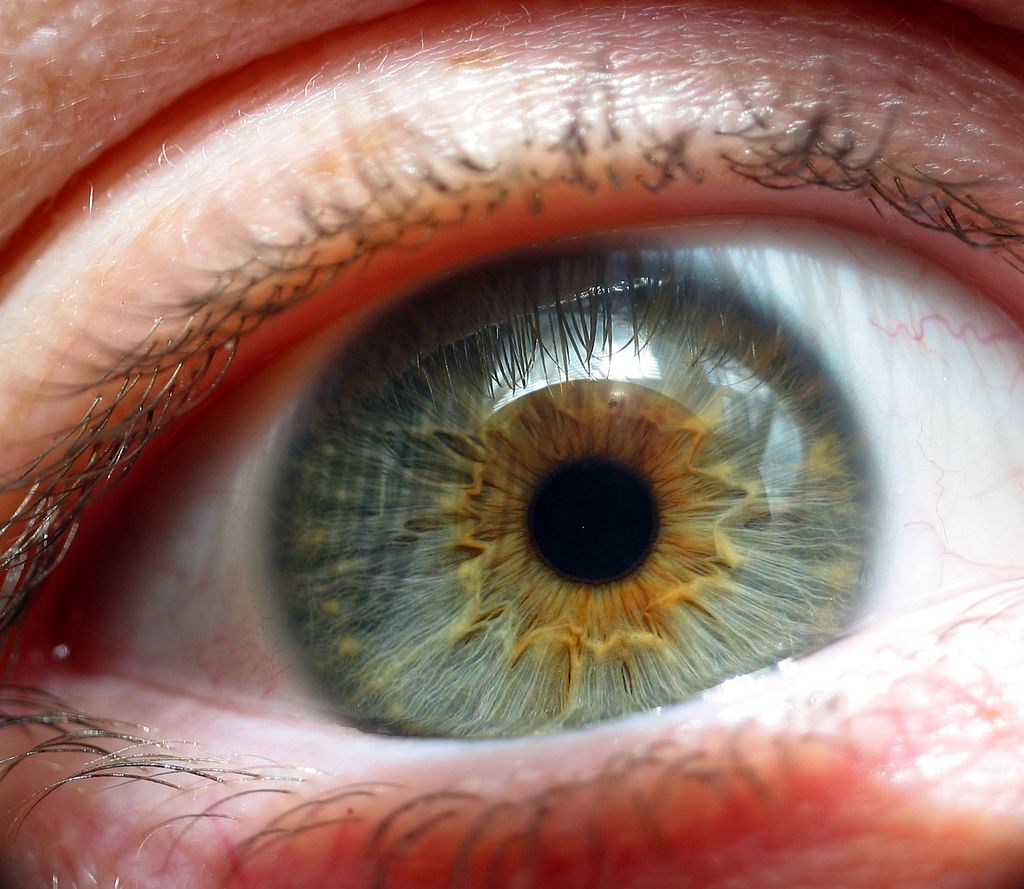
They form inside the vitreous gel, the clear substance filling the back of your eye. Over time, tiny clumps or strands develop, casting shadows on the retina. That’s why you see them as floating shapes. For some, they’re faint and easy to ignore. For others, they’re bold enough to block focus.
Challenges Caused by Eye Floaters
Eye floaters can disrupt clarity and concentration, creating difficulties that touch many aspects of daily life.
Impacts Driving and Safety
Driving requires sharp focus, but floaters can pull your attention away at critical moments. Bright sunlight or headlights at night make them stand out, distracting you when you need to concentrate the most. Even small interruptions can feel dangerous when you’re navigating traffic or reacting quickly on the road.
If floaters regularly interfere with your driving, it’s wise to seek professional guidance. A skilled eye doctor in Singapore, or one in your local area, can examine your eyes, rule out serious conditions, and recommend specialized procedures to help you manage symptoms and stay safe behind the wheel. Taking action early protects your vision as well as your confidence on the road.
Interferes With Reading
Reading demands steady focus, yet floaters often drift across the words you’re trying to follow. They can blur letters or force you to pause until they move aside. Over time, this constant interruption makes reading tiring.
You may find yourself rereading lines or losing track of your place. For students, professionals, or anyone who spends hours with text, floaters can feel like a persistent barrier. Adjusting lighting or shifting your gaze may help, but the strain often lingers.
Disrupts Work and Productivity
Floaters don’t stop at books. They follow you onto screens, documents, and presentations. When you’re working, they can break your concentration and slow progress. Imagine trying to edit a report or design a project while shapes drift across your vision.
The effort to refocus adds up, leaving you mentally drained. Productivity suffers not because you lack skill, but because your eyes are fighting distractions. Over time, this can affect deadlines and performance.
Affects Emotional and Psychological Well‑Being
Floaters aren’t just physical. They carry emotional weight too. Constant visual interruptions can spark frustration, anxiety, or even worry about long-term eye health. You may feel less confident in tasks that once felt simple.
The stress of wondering whether floaters signal something serious can add to the burden. Over time, this emotional strain can affect your mood and outlook. For many, these worries grow with age-related changes, since floaters often become more noticeable as you get older. Acknowledging the psychological impact highlights how floaters can influence mood and overall well-being.
By staying attentive to the challenges floaters bring and seeking timely care, you can protect both your vision and your quality of life.
Coping Strategies in Everyday Life
You can’t always eliminate floaters, but you can manage them with practical adjustments and healthy habits. Adjusting lighting can reduce their visibility, while taking breaks from screens helps ease eye strain. Practicing relaxation techniques allows your eyes to refocus and reduces discomfort.
Lifestyle choices also play a role in eye health. Staying hydrated, eating a balanced diet, and protecting your eyes from strain all support clearer vision and reduce the impact of floaters. Scheduling an annual comprehensive eye exam ensures floaters are monitored and any risks are caught early.
Even simple relief methods like eye drops can ease discomfort in daily routines. By adopting these strategies, you regain control over your vision.
When Floaters Signal Something Serious
Most floaters are harmless, but certain changes can point to urgent eye problems that require immediate care.
- Retinal tears or detachment: A sudden shower of floaters, flashes of light, or a dark shadow across vision may indicate a torn or detached retina, both of which can lead to permanent vision loss if untreated.
- Vitreous hemorrhage: Bleeding into the vitreous gel can cause a sudden burst of floaters, often linked to trauma, diabetic retinopathy, or abnormal blood vessels.
- Posterior vitreous detachment (with complications): Age‑related separation of the vitreous from the retina can sometimes trigger tears or bleeding, especially if accompanied by flashes of light.
- Uveitis (eye inflammation): Inflammatory debris inside the eye may appear as floaters, often alongside eye pain, redness, or blurred vision.
Not all floaters signal immediate danger, but sudden floaters with eye pain or dramatic vision changes should never be ignored. Acting quickly ensures that serious complications are treated promptly, whether through monitoring, laser therapy, or surgery.
Final Thoughts
Eye floaters may seem small, yet they can shape how you read, drive, work, and feel. They remind you that clear vision is vital for safety, productivity, and confidence.
By recognizing their impact and staying proactive about eye health, you protect your sight and quality of life. Everyday vision deserves attention, and floaters are a reminder to keep your eyes in focus, literally and figuratively.