
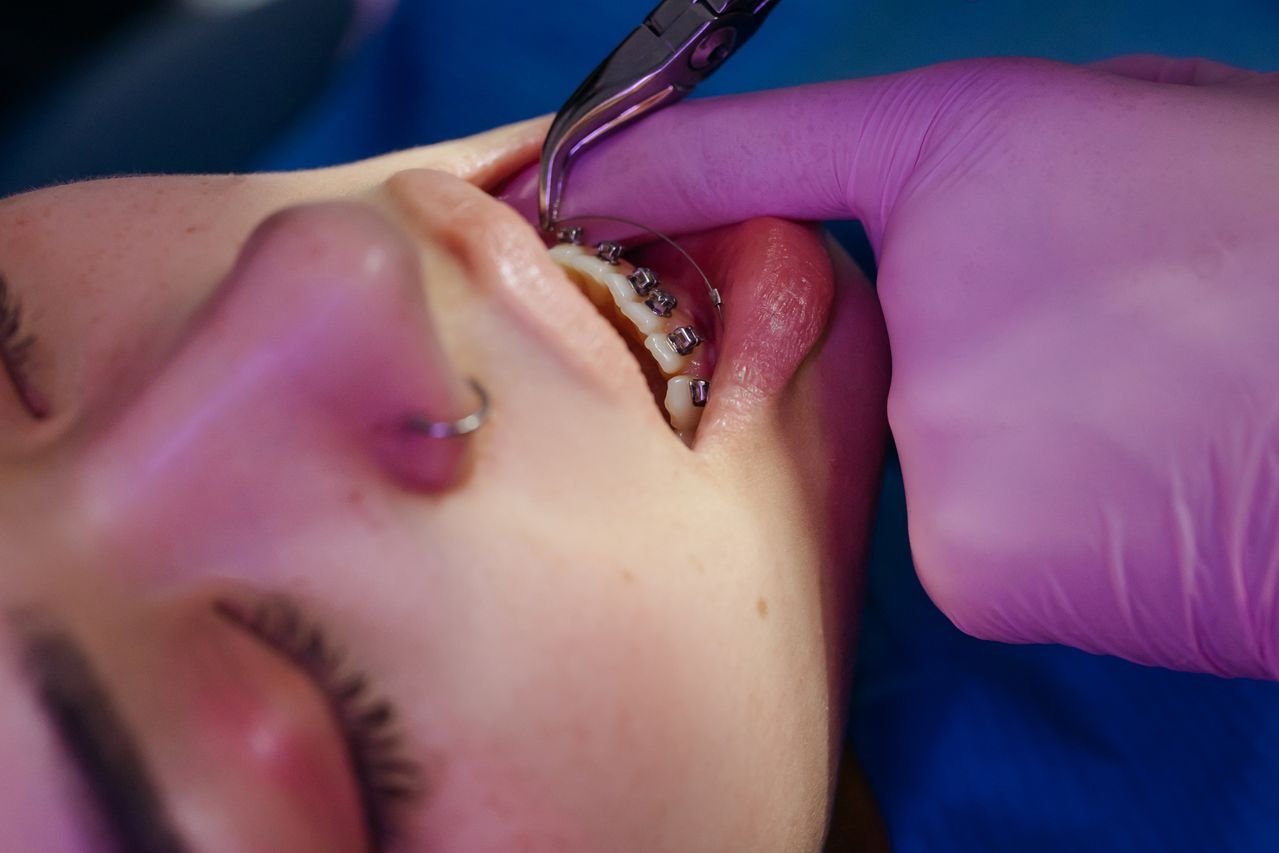
Your teen years are full of small public moments that feel huge: smiling in photos, speaking up in class, eating lunch with friends, and noticing every detail in the mirror. Orthodontic treatment often enters that picture for practical reasons, but it can affect far more than appearance. In places like Minnetonka, where school, sports, and social schedules stay busy, braces become part of real daily life, not just a dental appointment on the calendar.
Timing Treatment During the Teen Years Can Be a Smart Move
Orthodontic treatment often works well during adolescence because growth is still happening. Your orthodontist can track how the jaw develops, how adult teeth are erupting, and whether spacing or bite issues are likely to get worse over time.
That doesn’t mean every teen needs treatment right away. Some need monitoring before active work starts. Others benefit from moving ahead while bone structure is more responsive. Depending on the case, early intervention can reduce the need for more invasive correction later.
If you’re looking into options such as braces for teens in Minnetonka, it helps to think beyond the hardware. The real question is whether treatment fits your current growth stage, oral health needs, and daily routine. Good orthodontic planning is less about rushing and more about catching the right window.
Orthodontics Is About More Than Straight Teeth
A lot of people hear “braces” and think of yearbook smiles and shiny brackets. Fair enough. Still, orthodontic treatment usually starts with function, not cosmetics. If your teeth are crowded, your bite doesn’t line up, or your jaw development needs monitoring, those issues can affect chewing, speech, and long-term oral health.
Misalignment can also make brushing and flossing harder. That creates the kind of trouble nobody wants: plaque buildup, irritated gums, and cavities sneaking in like uninvited guests. Orthodontists look at the whole system, including spacing, bite pressure, and growth patterns.
For teens, timing matters. Bones are still developing, habits are easier to correct, and treatment can often guide changes before they become more complicated in adulthood. It’s less about chasing perfection and more about setting up a healthier baseline.
The Social Side of Braces Feels Bigger Than Adults Remember
Adults tend to say, “You’ll get used to it,” which is technically true and emotionally unhelpful. For a teenager, braces can feel very visible at first. You notice them while talking, laughing, or trying to eat pizza without looking like you’re in a wrestling match with the crust.
That early self-consciousness is common, especially during a stage of life when appearance and peer perception carry real weight. Some teens feel awkward for a few weeks. Others adjust quickly and start choosing band colors like they’re curating a tiny fashion line.
The bigger point is that confidence during treatment often comes from understanding the process. When you know what’s changing and how long things may take, braces feel less random and more manageable. Support from parents, orthodontists, and friends can lower the stress level significantly.
Daily Life Changes, but Usually Not in the Dramatic Way You Expect
Braces do change your routine, though not usually in the life-derailing way teens imagine. The first week can be annoying. Teeth may feel sore, certain foods become a bad idea, and talking might sound slightly off for a day or two. After that, most people settle in.
You’ll probably need to be more intentional about cleaning your teeth. That means brushing after meals when possible, using floss tools designed for braces, and keeping regular checkups. Sticky candy becomes public enemy number one, and popcorn turns suspiciously high-risk.
Sports, music, school, and social plans can still continue. If you play contact sports, a mouthguard matters. If you play an instrument, there may be an adjustment period, but many teens adapt well. Braces add maintenance, not a personality transplant.
The Mental Health Angle Deserves More Attention
Orthodontics can influence how you feel about yourself in ways that don’t always show up in clinical brochures. A teen who feels embarrassed by severe crowding or a noticeable bite issue may avoid smiling, speaking confidently, or being in photos. That can chip away at self-esteem over time.
Treatment doesn’t magically solve every confidence issue, and it shouldn’t be framed as a cure-all. Still, reducing a visible concern that has bothered you for years can make social situations feel easier. The effect is often subtle at first. You smile more naturally. You stop covering your mouth. You worry less.
That emotional shift matters. Oral health lives surprisingly close to identity, especially in adolescence. The practical benefits of treatment are important, but the psychological side deserves a seat at the table too.
Not Every Orthodontic Decision Should Be Based on Trends
Teen dental care now sits in a culture full of before-and-after photos, social media advice, and polished transformation content. Some of it is useful. Some of it is digital wallpaper with suspiciously white teeth. It’s easy to assume treatment should follow aesthetic trends rather than actual health needs.
A smart orthodontic decision starts with diagnosis. You want to know whether the issue involves crowding, overbite, underbite, crossbite, spacing, or jaw alignment. Different problems need different strategies, and not every case should be treated the same way just because one option looks more discreet online.
It also helps to discuss commitment honestly. Some treatment plans require strict compliance, especially with aligners or retainers. The best choice often depends on lifestyle, discipline, and goals, not just appearance. Practical beats trendy almost every time.
Parents and Teens Need the Same Game Plan
Orthodontic treatment works best when parents and teens are on the same page. That sounds obvious, yet plenty of friction starts with mismatched expectations. A parent may focus on cost and scheduling, while the teen is mainly thinking, “Will this make school weird?” Both concerns are real.
Clear conversations can prevent a lot of drama later. Ask about treatment length, soreness, food restrictions, emergencies, and what happens if brackets break or retainers get “accidentally” lost. Discuss how appointments fit with sports, exams, and transportation.
It also helps when teens feel included in decisions instead of managed like a calendar problem. When you understand the purpose behind the treatment, you’re more likely to follow instructions and take ownership of the routine. Cooperation is not glamorous, but it’s excellent for results.
What Braces Can Teach You Beyond Dental Care
Braces have a strange side effect: they teach patience in a culture that expects instant upgrades. Tooth movement is gradual. Progress shows up in small stages, not dramatic overnight changes. For teens, that can be frustrating, but it can also be grounding.
You learn to pay attention to habits, maintenance, and consistency. You start noticing how small actions matter, whether that’s wearing elastics properly, avoiding bracket-breaking snacks, or brushing carefully at the end of a long day. Those skills carry over into other parts of life more than people expect.
By the time treatment ends, the visible result gets most of the applause. What often goes unnoticed is the discipline built along the way. Straight teeth may be the headline, but the real story includes resilience, adaptation, and a surprisingly strong relationship with your toothbrush.