
Preparing for a job interview can feel overwhelming, especially in a highly competitive market. Practicing with mock interviews can transform apprehension into confidence by helping you refine your skills and approach. Engaging in a mock interview equips you with essential practice in realistic settings, which can make all the difference during the actual interview.
These interview simulations are designed to mirror real scenarios, allowing you to practice responses, build confidence, and identify areas for improvement. By embracing regular mock interviews, you can not only polish your talking points but also dramatically reduce anxiety and improve overall performance, increasing your chances of interview success.
In addition to boosting preparedness, mock interviews provide a structured opportunity to get feedback, enhance communication, and test your ability to navigate difficult questions. Whether you are preparing for your first interview or making a career jump, utilizing these practice sessions is a proven way to unlock your potential.
With advances in technology, AI-powered platforms now offer even more convenient, tailored mock interview experiences, giving candidates the edge they need in today’s job market. For a thorough overview of the benefits and emerging features of AI-driven interview preparation, readers can explore Forbes’s advice.
Understanding Mock Interviews
A mock interview is a replicated job interview designed to give candidates experience before the actual event. These sessions closely follow the format and structure of real interviews, from the kinds of questions asked to the expectations of professionalism and how you present yourself. Mock interviews are often guided by career coaches, mentors, or increasingly, by AI-driven platforms. This form of preparation enables job seekers to become familiar with common questions and learn how to tailor their responses to highlight their strengths.
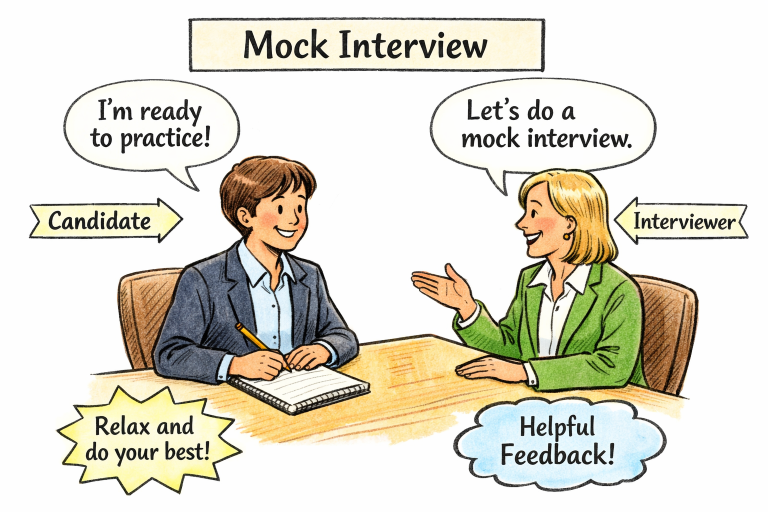
It’s important to treat mock interviews as closely as possible to the real thing. This means dressing professionally, maintaining positive body language, and using clear, direct communication. Feedback from these sessions is invaluable and often identifies strengths and weaknesses that might otherwise go unnoticed. The feedback is also beneficial for tracking progress and implementing suggested improvements in subsequent interviews.
Benefits of Mock Interviews
1. Enhancing Communication Skills
One of the most significant benefits of practice interviews is the improvement in clarity and confidence when discussing your experience. By articulating your achievements, you become comfortable sharing relevant stories that demonstrate your suitability for the role. Practicing the STAR method (Situation, Task, Action, Result) is an effective way to structure answers concisely, making sure all necessary points are communicated logically. According to a Coursera article, using structured approaches leads to more impressive and memorable responses. You can read more about the STAR Method in their mock interview guide.
2. Receiving Constructive Feedback
Constructive feedback is perhaps the most direct route to growth. During a mock interview, the facilitator observes your answers, body language, and mannerisms and offers actionable advice. For example, you might learn to avoid filler words, maintain better posture, or make responses more concise. According to Indeed.com, practicing with mock interviews lets you try different answers to the same questions, ensuring you find the most effective responses. This iterative process is essential for making real progress and feeling genuinely prepared for unique or challenging questions.
3. Reducing Interview Anxiety
Interview anxiety is a common hurdle for job seekers. Engaging in regular mock interviews helps demystify the anxiety-inducing parts of the experience by building familiarity and comfort. When you know what to expect, there are fewer unknowns. This confidence allows you to focus on sharing your qualifications instead of worrying about the next question, which is essential for making a strong impression. Psychological research published by the American Psychological Association shows that preparation and repeated exposure to interview settings play a crucial role in reducing performance anxiety.
Incorporating AI in Mock Interviews
With the rise of artificial intelligence, mock interview platforms are increasingly powered by machine learning and data analytics. These modern systems can assess not only your verbal responses, but also your tone, facial expressions, and timing. The result is highly personalized feedback, delivered instantly and consistently. AI-driven interview platforms are especially helpful for practicing anytime, helping job seekers maximize preparation even with tight schedules. These solutions offer a critical advantage in a hiring environment where first impressions matter more than ever.
Practical Tips for Effective Mock Interviews
- Choose the Right Interviewer: Find someone knowledgeable in your field who can provide relevant and objective feedback.
- Simulate Real Conditions: Conduct the mock interview in a setting that mirrors the actual interview, including dress, technology, and time constraints.
- Record and Review: Record your sessions to identify improvement areas that might not be noticed in real-time, such as speech habits or body language.
- Practice Common Questions: Prepare answers to frequently asked questions like “Tell me about yourself,” behavioral questions, and technical challenges relevant to your target role.
Conclusion
Mock interviews are a proven way to sharpen your communication skills, overcome anxiety, and gain valuable feedback, all of which can greatly improve your job interview performance. By leveraging technology and prioritizing practice, you make yourself a stronger candidate for any opportunity. Dedicate time to structured interview preparation using mock interviews and AI tools to increase your career readiness and your chances of interview success.