
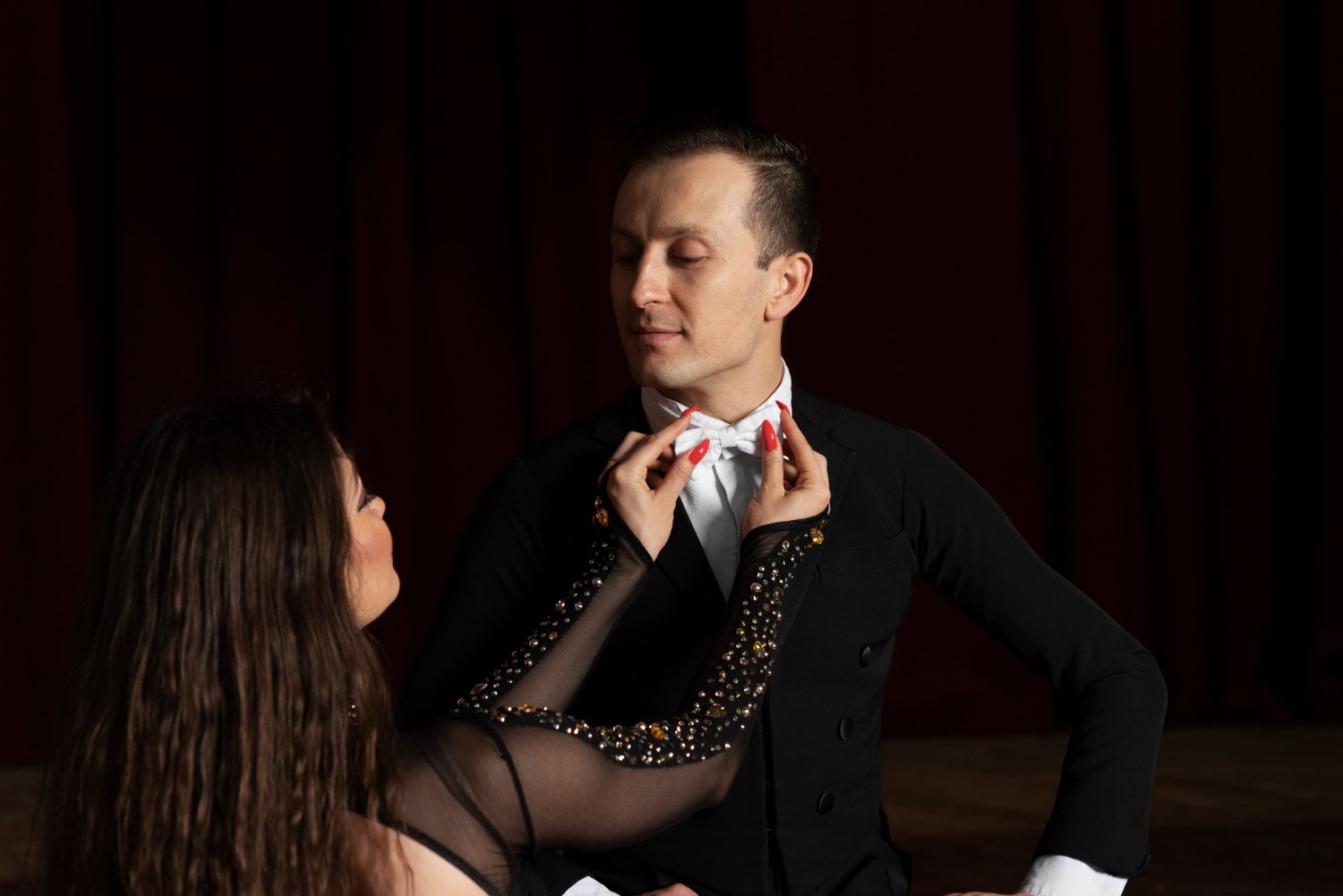
 The opera – especially the Italian opera – is famous for its opulence and grandeur. That extends to the patrons as much as – in fact, often even more than – the buildings, costumes, and performances themselves. So, if you’re planning a visit to the opera, it’s likely that you’ll be paying quite a lot of attention to what you’ll wear on the night. Don’t worry – here’s a guide to what to wear to the opera that will keep you comfortable without feeling out of place.
Opera and opera clothing
Opera has been associated with opulent clothing and lavish displays of wealth and excess. So much so that many people buy tickets to see an opera show partly in order to dress up and sparkle – and some avoid attending the opera for the same reason. If you love the idea of getting dressed up in your best, most fashionable, and luxurious clothing to take in an opera, this guide will help you do so without overdoing it and ending up out of place. And, if you’re the type who’d prefer to enjoy the show without making a big fuss about dress, don’t worry – there’s plenty of room in opera dress codes to stay comfortable without letting the side down.
Why clothing still matters at the opera
Mostly, people dress up at the opera because it’s traditional to do so. But there are other reasons. Opera isn’t just about the music and the performance. It’s also about the environment – and the audience plays a big part in creating that environment. When people dress well, every performance has a sense of occasion before the orchestra even begins. Taking the time to dress up and pack your opera accessories before walking into a full auditorium where everyone has taken some care with their appearance adds to the excitement of the evening.
What many men choose to wear
Men can get away with a dark suit, as long as it’s not scruffy. Pick a fitted jacket and trousers, and a clean button-down shirt in a paler color than the jacket. Some guests add a tie or bow tie, while others leave the collar open for a slightly relaxed look. Polished leather shoes tend to finish the outfit better than casual footwear. If you do want to dress the look up with things like cummerbunds and so on, then go for it. It’s hard to be ‘too dressed up’ for the opera – but do note that other patrons won’t be happy if things like capes and extravagant silhouettes get in their way or obstruct their view.
What many women choose to wear
For women, the ideal is smart and elegant. If you prefer not to dress up, don’t worry. You can get away with a simple cocktail dress, a pantsuit, or even a clean and smart-looking skirt and blouse. However, if you want to go a bit more dressy, then the world is your oyster. Again, try to avoid clothing that would obstruct other patrons or block their views, and remember that the opera prefers ‘elegant and refined’ to ‘glamorous’ – so no butt-high hemlines or seriously plunging necks – but otherwise you can dress things up as much as you like.
When it comes to shoes, do remember that opera houses often involve staircases and long corridors. So, pick comfortable heels or well-made flats that will allow you to move easily and painlessly through the building. Also note that a small evening bag usually works better than a large handbag during crowded intermissions.
Afternoon and evening performances feel different
The time of day can drastically alter the tone of the audience. Afternoon performances often draw simpler clothing. Guests might arrive in smart casual outfits or business style clothing after a day in the city.
Evening performances tend to look more formal. Dark suits, dresses, and statement jewelry appear more often once the sun goes down. Opening nights and gala events can look even more dramatic, with tuxedos and full-length gowns throughout the audience.
Small details can shape the look
Accessories can add personality without overwhelming an outfit. Some men add cufflinks, a watch, or a pocket square to create interest while keeping the overall look clean.
Women often choose one or two pieces of jewelry that stand out. A necklace, bracelet, or pair of earrings can complement a dress without drawing attention away from the overall appearance.
Each opera house has its own style
Different venues attract different audiences, so before you start planning your outfit, check the general style of the opera house you’re visiting. Some historic opera houses still lean toward formal clothing, for example, while others welcome a wider range of styles.
Remember – the focus should be on the music
Clothing is a big part of the opera experience, and in many ways sets the stage for the evening, but the performance is always the main event. Once the orchestra begins and the curtain rises, attention moves entirely to the singers and the story unfolding on stage. So, don’t dress to draw focus from the performers – either the focus of others or your own focus.