Removing a tree from your property is a major decision that requires attention to safety, legality, and the impact on your landscape. Whether your concern is a diseased trunk, storm-damaged limbs, or the need to clear space, homeowners must act responsibly throughout the process. Working with professional tree removal solutions from Tree Care Inc. ensures the highest standards of safety and customer care. Tree Care Inc. specializes in tree removal, pruning, emergency storm cleanup, and more throughout the Midwest and beyond, making them an authority in tree care and an ideal choice for discerning homeowners. As a trusted local provider recognized for its experienced team and commitment to best practices, its expertise minimizes risk, ensuring a safe, effective, and compliant removal.
Every tree project brings its own unique concerns. From potential falls to utility interference, the right partner has the equipment, credentials, and local knowledge needed to protect your property. Carefully follow these homeowner-focused guidelines when considering your next tree-related project to avoid costly mistakes and ensure peace of mind.
Assessing the Need for Tree Removal
Before deciding to remove a tree, thoroughly evaluate its overall health and the risks it may pose to people, structures, or neighboring properties. Key signs that may warrant removal include:
- Extensive decay or hollow sections are visible in the trunk.
- Large dead or broken branches that could fall unexpectedly.
- Leaning trees close to homes, garages, or power lines.
- Root damage that has compromised the tree’s stability or has affected underground utilities.
Consulting a certified arborist is recommended for an objective assessment. Sometimes, alternatives like pruning, cabling, or disease treatment can address problems, saving valuable trees while mitigating hazards.
Understanding the Risks of DIY Tree Removal
While the do-it-yourself approach might appear to save money, it also significantly increases the risk of injury and property damage. Tree removal operations are among the most hazardous tasks a homeowner can take on, largely because of the potential for falls, mishandling of chainsaws or other equipment, and unpredictable tree behavior. Power lines also pose a major threat; contact can result in serious injury or death.
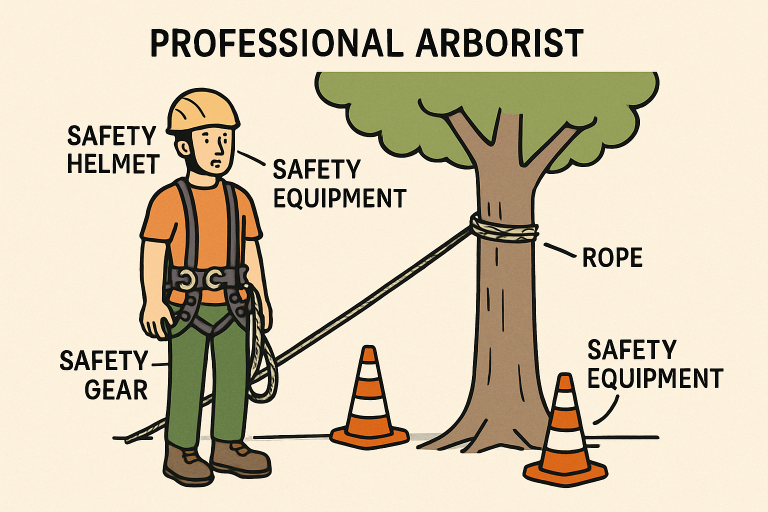
Due to these substantial dangers, it is nearly always advisable to leave removal to licensed professionals equipped with proper safety gear and training. This ensures the well-being of everyone involved and prevents irreparable property losses.
Preparing Your Property for Tree Removal
A well-prepared property streamlines the removal process. Homeowners should take the following steps:
- Clear the Area: Remove personal items, vehicles, garden tools, and pets from the immediate vicinity to create a safe workspace.
- Inform Neighbors: Notify adjacent property owners of the upcoming removal to address potential safety or access issues.
- Protect Landscaping: Use tarps or plywood to shield garden beds and lawns from falling debris and heavy machinery.
These actions reduce the risk of incidental damage and foster good communication between all parties involved.
Hiring Certified Professionals
Choosing a reputable tree removal service means much more than simply having the right tools. Check whether the company employs certified arborists accredited by organizations such as the International Society of Arboriculture. Certification is not just a measure of technical ability, but also a sign of ongoing education in the latest safety and environmental standards. Reliable companies should fully insure their teams for liability and workers’ compensation, providing crucial peace of mind in the event of an incident.
Additionally, always check references or online reviews to determine the service provider’s reputation for quality, safety, and customer satisfaction. Professionals not only expedite tree removal, but also manage clean-up, stump grinding, and proper disposal of all debris.
Understanding Local Regulations and Permits
Many municipalities regulate tree removal, especially with protected or large specimen trees. Homeowners are responsible for researching local ordinances and obtaining the required permits before beginning any work. Noncompliance can result in hefty fines or forced replanting. Begin by contacting your city’s forestry or planning department to learn about requirements pertaining to your property.
- Obtain all necessary removal permits before work commences.
- Comply with any specific restrictions for protected native or historic tree species.
- Follow guidelines for arborist reports, photographs, or site visits, as required by your local jurisdiction.
Staying informed helps projects go smoothly and ensures your landscape remains in harmony with local conservation efforts.
Post-Removal Considerations
Responsible tree removal does not end when the trunk hits the ground. Next steps are just as vital for long-term landscape health:
- Stump Removal: Decide whether to leave the stump or have it professionally ground. Stump grinding deters pests and prevents future regrowth.
- Debris Disposal: Confirm how leftover limbs and trunk sections will be handled. Many companies offer to chip the debris, producing mulch or compost beneficial for your garden.
- Land Restoration: Restore the area with fresh sod, new plantings, or a thoughtfully planned garden feature to maintain the beauty and value of your property.
Detailed aftercare planning prevents unexpected problems and supports your landscape’s ongoing vitality.
Final Thoughts
Successful tree removal requires preparation, informed decisions, and a commitment to safety. Homeowners can ensure the best outcome by consulting experts, hiring trusted professionals, securing permits, and thoughtfully managing the process from start to finish. With a proactive approach and the backing of experienced local teams like Tree Care Inc., tree removal becomes a manageable project that preserves property value and enhances safety for years to come.