Understanding Dental Implants
Dental implants are cutting-edge artificial tooth roots, often made of titanium, designed to anchor fixed or removable replacement teeth. Unlike traditional bridges or dentures, implants provide a highly natural appearance and feel, making them an attractive solution for individuals seeking to restore their smile. For residents seeking expert care in the Washington metropolitan area, Dental Implants Rockville MD provides a comprehensive approach, blending advanced technology with personalized treatment plans. Implants are considered both a cosmetic and restorative procedure, as they closely mimic the function of natural teeth and help maintain jawbone structure after tooth loss.
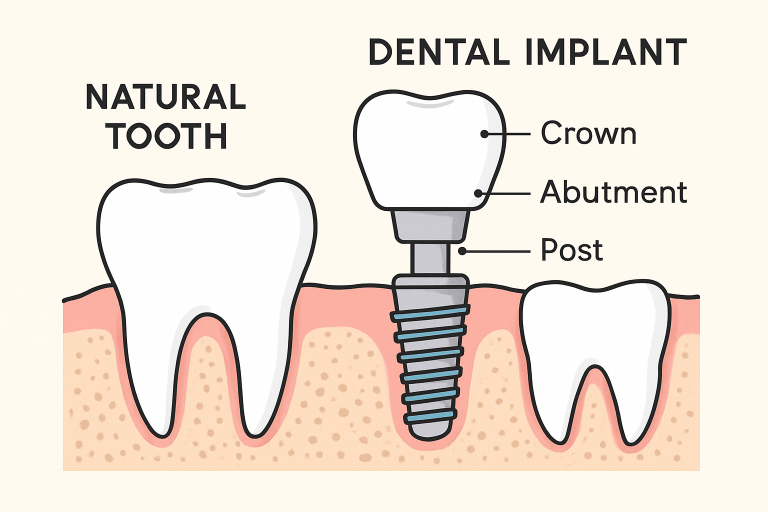
One of the main benefits of dental implants is their longevity. With proper care, they can last decades or even a lifetime, far outstripping many other dental prosthetics. Additionally, their secure fit and stable foundation make eating, speaking, and smiling more comfortable, eliminating the common drawbacks of removable dentures, such as slipping or discomfort. Understanding the structure of a dental implant is helpful: it consists of the implant post (inserted in the jaw), the abutment (a connector), and the custom restoration (such as a crown) that sits above the gumline, blending seamlessly with adjacent teeth.
While the concept is straightforward, the path to successful dental implantation relies on careful planning, assessment, and patient commitment throughout the process. If you are considering this investment in your oral health, learning about the requirements and steps involved can help you enter the process well-prepared.
Assessing Your Oral Health
Dentists typically begin by evaluating your oral health to determine if you’re a suitable candidate for dental implants. Healthy gums are essential, as gum disease can hinder healing and the integration of the implant with the jawbone. Adequate jawbone density is also crucial, as it provides the foundation for the implant post. If bone loss is significant, a common occurrence following tooth loss, procedures such as bone grafting may be necessary before proceeding. These preliminary steps ensure the best chance of long-term implant stability, thereby reducing the risk of future complications.
Evaluating General Health and Lifestyle Factors
General health status plays a significant role in the success of dental implants. Conditions like uncontrolled diabetes or cardiovascular issues may impair healing and heighten the risk of complications. Certain medications and therapies, such as immunosuppressants or bisphosphonates—might also interfere with bone healing and should be discussed with your healthcare provider. Lifestyle choices, especially smoking, can have a marked impact. Smokers face higher rates of implant failure due to delayed healing and increased risk of infection. For these reasons, providers may recommend quitting smoking before embarking on an implant treatment plan.
Understanding the Procedure: Step by Step
Initial Consultation and Imaging
The first step involves an in-depth consultation, which includes clinical exams and digital imaging (such as X-rays or 3D scans) to assess the health of bones and tissues. This information helps your oral surgeon map out a precise treatment strategy tailored to your needs and goals.
Surgical Placement and Healing
The implant post is surgically placed into the jawbone under local anesthesia. Over several months, a process called osseointegration takes place, during which the bone naturally fuses around the implant, anchoring it securely. This phase is critical for long-term durability.
Abutment and Restoration
After successful osseointegration, a small connector (abutment) is attached to the implant post. Finally, a custom-made crown, bridge, or denture is placed, completing the restoration. The result is a realistic, functional tooth replacement that blends indistinguishably with your natural teeth. According to the Mayo Clinic, dental implant surgery is generally safe, with success rates of around 95%. However, results depend on the patient’s health and the provider’s expertise.
Considering the Costs and Insurance
The cost of dental implants varies widely, influenced by the number of implants needed, any necessary preparatory procedures, and practice location. On average, a single-tooth implant can cost between $3,000 and $5,000 in the U.S. These expenses often include the surgery, abutment, and crown, but additional treatments may incur extra fees. Comprehensive treatment plans, detailing all projected costs, help you budget effectively and avoid unexpected expenses. Dental insurance may offset some expenses, but many plans offer only partial coverage, usually for the restoration rather than the implant itself. Consulting with your dentist and insurer to understand your options is essential.
Weighing the Benefits and Risks
Both dental professionals and patients widely recognize the advantages of dental implants. Implants restore biting strength, protect jawbone density, enhance speech clarity, and elevate self-confidence. Unlike bridges, they do not require altering adjacent teeth, preserving overall oral integrity. However, no procedure is entirely risk-free. Possible complications include infection, nerve injury, or implant failure, especially in patients with underlying health concerns or suboptimal oral hygiene. Discussing these possibilities openly with your dental provider ensures you are prepared and comfortable moving forward. For more detailed information, you can reference the American Dental Association’s guidance on dental implants.
Commitment to Maintenance and Long-Term Success
Maintaining your dental implants requires strong oral hygiene habits. Twice-daily brushing, daily flossing, and routine professional cleanings are essential. Implants themselves cannot develop cavities, but gum disease can still occur if oral care is neglected. Consistent follow-up appointments allow early identification of any concerns and preserve the integrity of your investment.
Consulting a Dental Professional
Choosing to proceed with dental implants is a significant decision, both for your current well-being and long-term dental health. Meeting with an experienced dental professional for a personalized assessment is the best way to determine your candidacy and map out a successful treatment plan tailored to your specific needs and lifestyle. With thorough preparation and ongoing care, dental implants can offer a comfortable and natural-looking solution for many years to come.
Conclusion
Dental implants offer a durable and natural-looking solution for replacing missing teeth, but their success depends on careful planning, thorough assessment, and regular maintenance. By evaluating both oral and general health, understanding the procedure, considering the costs, and committing to proper maintenance, patients can make informed decisions that support long-term oral health and wellness. Consulting with an experienced dental professional ensures a personalized treatment plan, helping you achieve a confident, functional, and lasting smile for years to come.