







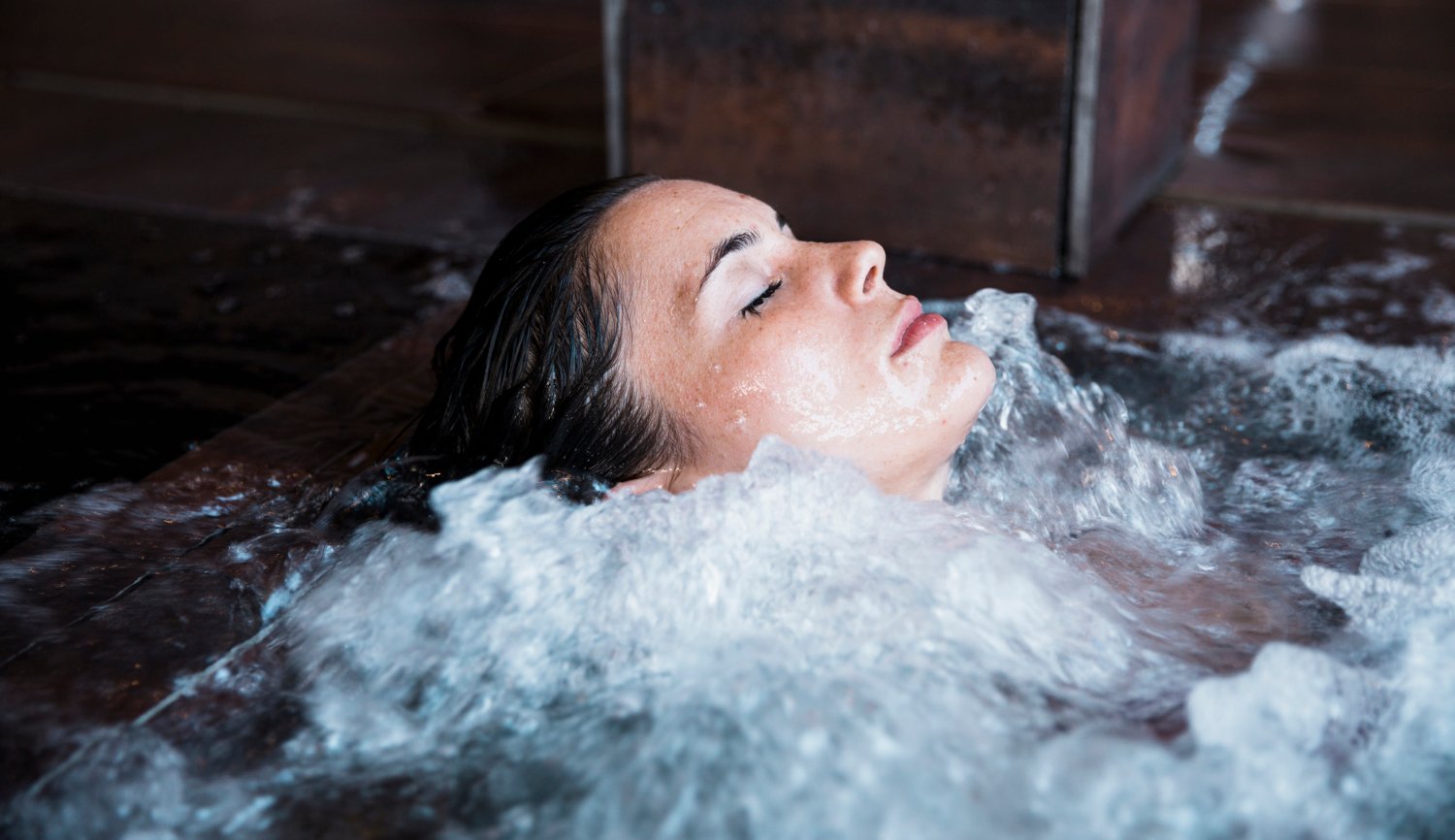
 A cold plunge is a powered, temperature-controlled vessel that holds cold water at a precise temperature using a chiller, with built-in filtration and sanitation. An ice bath is an unpowered tub or container cooled by adding ice. The physiological response to either, at the same water temperature, is largely the same. The differences that matter are consistency, time investment, sanitation, and cost over years of use.
The cold therapy market has grown rapidly over the last five years, and the distinction between a “cold plunge” and an “ice bath” has become genuinely confusing for people deciding what to buy or whether to build their own. The marketing language often does not help. The underlying difference is mechanical, not therapeutic.
This is a practical comparison for people deciding which approach makes sense for their situation.
The Therapeutic Effect Is Largely the Same
The physiological response to cold water immersion depends on water temperature and exposure duration, not on how the water got cold. A 50°F ice bath and a 50°F powered cold plunge produce the same vasoconstriction response, the same norepinephrine spike, the same vagal activation, and the same recovery benefits for the user inside the water.
This is worth stating clearly because the marketing around powered cold plunges sometimes implies a superior therapeutic effect. There is no published evidence that the same temperature and duration produces materially different outcomes based on the cooling method. The physiology does not know the difference.
Where the two approaches genuinely diverge is in everything around the immersion itself.
Temperature Consistency
An ice bath drifts in temperature over the course of a session and across sessions. The starting temperature depends on how much ice was added and how cold the tap water was to begin with. The session-end temperature is higher than the start because body heat and ambient air have warmed the water. The next day’s session requires fresh ice and a fresh measurement.
A powered cold plunge holds a set temperature. Users can choose 52°F and know the water will be 52°F today, tomorrow, and next month. For people who want to track adaptation over time, this matters. A protocol that calls for a specific temperature and a specific duration is only repeatable if the temperature is actually repeatable.
For casual practitioners, the drift does not matter much. For people training a specific adaptation or running a contrast therapy protocol, it does.
Time Investment Per Session
An ice bath requires preparation. The user has to obtain ice (usually 40 to 60 pounds for a meaningful temperature drop in a stock tank), fill the tub, add the ice, wait for the water to equilibrate, and then enter. After the session, the water has to be addressed: drained, partially refreshed, or left to deal with later.
A powered cold plunge is ready when the user is. The water is at temperature when they enter. There is no setup. After the session, the chiller continues running and the water is ready for the next use without intervention.
Over the course of a year of consistent practice, this difference compounds. The friction of the ice setup process is often what stops a casual practitioner from staying consistent. The session itself is not the hard part. The forty-five minutes of preparation before each session is.
Sanitation and Water Quality
An ice bath is fundamentally a single-use or short-use setup. Most practitioners drain and refill after every session or two because there is no filtration. Bacteria, body oils, sweat, and skin cells accumulate quickly in standing untreated water, especially in a warm-ambient room.
A powered cold plunge typically includes continuous filtration, ozone or UV sanitation, and chemistry support that keeps water usable for weeks at a time before a full water change. The sanitation is not just about hygiene; it also affects how often the user has to deal with the maintenance.
For shared household use or for people who plunge multiple times per week, the powered system’s water management is a significant practical advantage. For a solo user who drains and refills every session, the gap narrows.
Cost
This is where the comparison gets interesting, because the headline numbers are deceiving.
An ice bath setup can be as cheap as a stock tank from a farm supply store plus ongoing ice costs. The upfront investment is modest. The recurring cost of ice, however, is real. A person plunging four times per week using 50 pounds of ice per session is spending several hundred dollars per year on ice alone in most markets, more if they need delivery or use bagged retail ice.
A powered cold plunge has higher upfront cost (residential units typically range from several thousand to over ten thousand dollars depending on the model and materials) and ongoing electricity, which is usually modest. There is no ice cost. There is no ongoing water cost beyond fills.
Over a five-year horizon for a consistent practitioner, the total cost of ownership often converges, and in some usage patterns the powered system is cheaper. Over the lifetime of the equipment (often a decade or more for premium models), the powered system is typically the lower total cost.
Durability and Longevity
Stock tanks and improvised ice baths corrode, leak, and require replacement on multi-year timescales depending on the materials and the climate. A galvanised stock tank used outdoors in a humid climate may last three to five years. A plastic version may last longer but is more vulnerable to UV degradation.
Premium powered cold plunges built with 316 marine-grade stainless steel are engineered for ten-plus years of daily use. The chiller and filtration components are the wear items, with replacement and service schedules. The vessel itself often outlasts the household interest in the practice.
When the Ice Bath Approach Makes Sense
Ice bath setups are the right answer for several situations. People who want to try cold exposure without committing capital. Athletes traveling or training in temporary spaces. Households with very low expected frequency of use (a few times per month). People with outdoor space who already have access to bulk ice.
The ice approach is also genuinely effective. The physiology works. The discipline of preparing the ice and the session can itself be part of the practice for some people.
When the Cold Plunge Approach Makes Sense
Cold plunge systems are the right answer for households where multiple people will use the equipment regularly, for practitioners committed to a daily or near-daily routine, for users running structured protocols that require temperature consistency, for users where the friction of preparation would erode adherence, and for any setup where sanitation matters because multiple people share the water.
For most consistent practitioners, the deciding question is honesty about frequency. People who underestimate how often they will use it default to ice and underuse it. People who realistically expect daily or near-daily use are better served by a cold plunge system that removes the friction and supports the routine.
The Bottom Line
The therapeutic effect of cold water immersion at a given temperature and duration is largely the same whether the water was cooled by ice or by a chiller. The differences live in everything around the session: consistency, time, sanitation, cost over years, and ease of maintaining a routine. For people new to cold exposure, an ice bath is a low-risk way to test whether the practice fits their life. For people committed to consistent practice over years, a powered cold plunge typically delivers a better long-run experience and often a lower total cost of ownership.
The right answer depends on the user, the household, the budget, and the realistic frequency of use. Both work. Choose based on what the practice will actually look like, not what the marketing for either approach claims.