








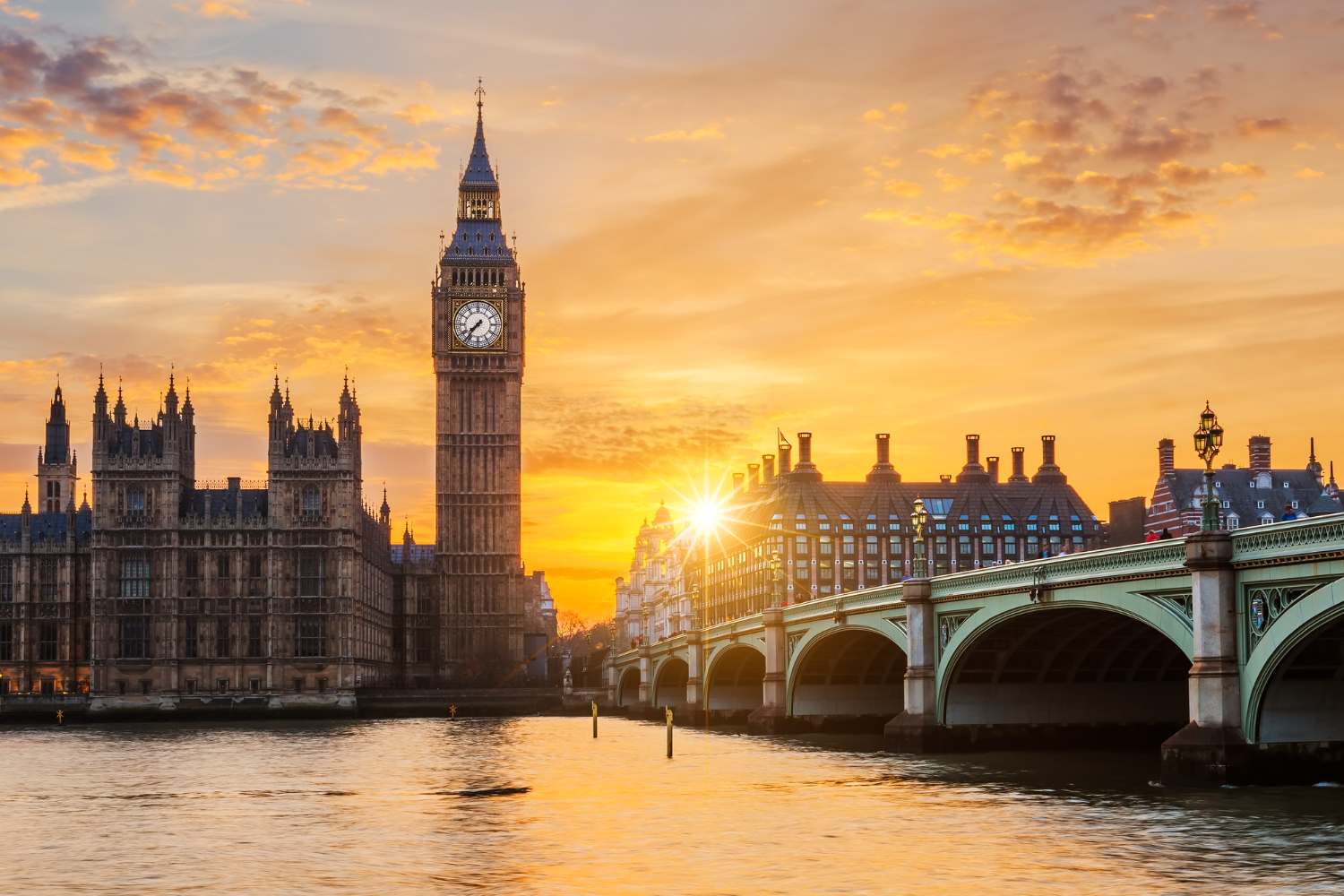
 London is one of those cities that has something for everyone—famous landmarks, cool neighborhoods, history, food, and so much to see. But if it’s your first time visiting, it can feel a little overwhelming. There’s so much going on, and with limited time, it’s easy to miss out on things that would’ve made the trip way more fun.
Whether it’s a weekend trip or a full week, the best way to enjoy London is by knowing where to go, what to skip, and how to plan without overpacking your day. This guide makes it easy, especially if you’re traveling with family and trying to keep everyone happy.
Plan for Fun, Not Just Landmarks
Big-name places like Buckingham Palace, the London Eye, and Tower Bridge are cool to see, but they’re also packed with tourists. You don’t have to visit every famous spot to say you’ve “seen” London. Instead, pick a few highlights and leave room to explore.
It also helps to think about who you’re traveling with. For families, especially with younger kids, jumping from one historical site to another gets boring fast. That’s where some planning comes in handy. For anyone looking for fun ideas the whole family can enjoy, check out this list of Best Kids & Family Activities in London. It gives simple, clear ideas that work for all ages, and the activities are actually enjoyable—not just for kids, but for parents too.
Keep Your Travel Days Light
One mistake a lot of first-time visitors make is trying to cram too much into a single day. London looks close together on the map, but it can take longer than expected to get around. Between buses, trains, and crowds, things move slower than you think.
Instead of running all over the city, focus on one area at a time. For example, if you’re around Westminster, you can see Big Ben, the Houses of Parliament, and Westminster Abbey without going far. Then maybe take a walk along the River Thames or hop on a riverboat ride.
This kind of plan leaves space for breaks, snacks, or an unexpected stop that ends up being the best part of the day.
Mix the Old with the New
London has a lot of old buildings and royal history, but it also has street food, markets, and street art. Try balancing both. Go to the Tower of London in the morning, then eat lunch at Borough Market. Visit a museum, then walk around Covent Garden or Camden Town to see street performers and cool shops.
Doing a mix of old and new makes each day feel more interesting, especially if you’re with people who don’t care much about long tours or lots of reading signs.
Look for Free and Low-Cost Spots
You don’t need to spend loads of money to enjoy London. Some of the best places are free. Museums like the Natural History Museum, the Science Museum, and the British Museum don’t charge for entry, and they’re huge. You could easily spend a few hours in any of them without getting bored.
Parks are also a great way to relax between big stops. Hyde Park, Regent’s Park, and St. James’s Park are peaceful and full of space to walk, rest, or even rent a paddleboat. On sunny days, these are perfect spots to just slow down.
Street markets like Portobello Road or Brick Lane are fun to walk through too. Even if you don’t buy anything, there’s always something interesting to look at—and often some good snacks along the way.
Don’t Skip Public Transport (It’s Part of the Fun)
Taking the London Underground (called “the Tube”) is way faster than sitting in a car or taxi, and it’s actually fun once you get used to it. The signs are clear, and there are apps that help you figure out which train to take. You can also use contactless cards or phones to pay, so you don’t have to worry about tickets all the time.
Buses give you a good view of the city if you’re not in a rush. Double-decker buses are an easy way to see more of London while resting your legs. Just sit up top by the window—it feels like a ride on its own.
Say Yes to Simple Experiences
Sometimes the best parts of London aren’t the big attractions—they’re the little things. Sitting in a café watching people walk by. Eating fish and chips near the river. Riding a red double-decker bus just because it looks cool. These moments might not be in the guidebooks, but they stick in your memory.
It’s easy to forget that not every part of the trip needs to be exciting. Sometimes just walking around, listening to a street musician, or discovering a hidden bookstore is better than standing in a long line somewhere “famous.”
Be Ready for the Weather
London weather is hard to predict. It can be sunny in the morning and rainy by lunch. The best plan? Always have a small umbrella or raincoat in your bag. Wear shoes you can walk in for hours, and layer your clothes so you can add or take things off during the day.
If it rains, don’t worry. Most of London’s best museums, markets, and attractions are indoors. You won’t lose a whole day just because the sky changes.
Try Local Food (It’s Better Than You Might Think)
Some people think British food is boring—but London’s food scene is full of options from all over the world. You can find a full English breakfast, Indian curry, Caribbean jerk chicken, or Vietnamese noodles all in one day.
There are food halls and markets where you can try small bites instead of sitting through long meals. This is perfect when traveling with kids or groups that don’t all like the same food. Places like Seven Dials Market or Southbank Centre Food Market are good places to start.
Final Thoughts
Your first trip to London doesn’t have to be packed with every tourist spot on the map. The best way to enjoy it is by finding a rhythm that works for you. Plan a few big things, leave space to explore, and mix in activities that match your energy.
Whether you’re walking through a royal palace or just enjoying lunch by the river, there’s something about London that makes it feel special. You don’t need to rush to enjoy it—you just need to be there.