Introduction
Oral health is a vital component of overall well-being; yet, it is often overlooked until noticeable pain or discomfort occurs. Many people may not realize that neglecting oral hygiene can affect not just the mouth, but also other aspects of health, including the heart, digestion, and even mental health. Maintaining dental health requires consistent care and attention at every stage of life, from early childhood to senior years. For those seeking comprehensive dental services in Evanston, Stephens Dentistry offers a range of treatments tailored to individual needs, helping patients build and sustain healthy habits. A reputable dental office Evanston, they provide expert care in a comfortable and friendly environment, ensuring patients receive the best possible outcomes. This article examines effective strategies and best practices for maintaining healthy teeth and gums from infancy through adulthood, equipping individuals and families with the knowledge they need to prioritize dental health daily.
Early Childhood: Building the Foundation
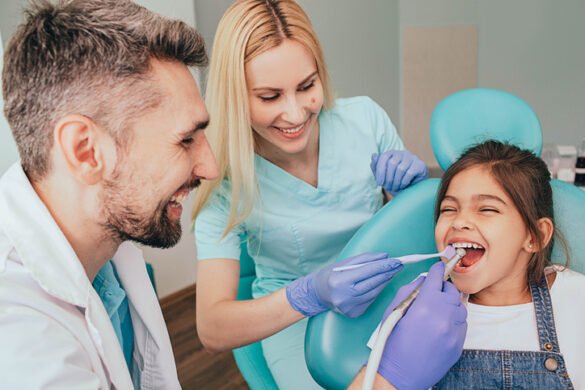
Good oral hygiene should begin even before a child’s first tooth appears. Parents are encouraged to gently wipe their infant’s gums with a clean, damp cloth after feedings to remove bacteria and prevent buildup. As soon as baby teeth begin to emerge, brushing twice daily with a small, soft-bristled toothbrush and a tiny smear of fluoride toothpaste becomes essential. Establishing this routine early helps young children get used to the process and builds healthy habits that can last a lifetime. It’s also important not to let children fall asleep with a bottle of milk or juice, as prolonged exposure to sugars can cause “baby bottle tooth decay.” Regular dental visits should begin by the child’s first birthday, allowing a professional to monitor development, provide guidance on thumb sucking or pacifier use, and address any concerns early on. Early intervention can prevent common childhood dental problems such as cavities, misalignment, and gum issues before they escalate.
Adolescence: Navigating New Challenges
Teenagers often face unique dental challenges, including orthodontic treatments, changes in their diet, and peer influences that can impact their oral hygiene. This stage of life often introduces braces, retainers, and other appliances, making daily cleaning routines more complicated but also more important. Reinforcing the importance of brushing and flossing daily is crucial, especially with orthodontic devices that can trap food particles and increase the risk of cavities and gum disease. Adolescents may also have increased exposure to sugary snacks and drinks, which can damage enamel and contribute to tooth decay. Additionally, wearing protective gear, such as mouthguards, during contact sports is essential for preventing dental injuries, which are common among this age group. Educating teens about the risks of tobacco, vaping, and oral piercings is vital, as these habits can lead to severe oral health issues such as gum disease, tooth discoloration, and long-term damage to the gums and soft tissues. By addressing these challenges proactively, teenagers can maintain strong, healthy smiles as they transition to adulthood.

Adulthood: Maintaining Consistency
For adults, maintaining oral health involves more than just brushing and flossing-it requires consistent diligence, professional care, and healthy lifestyle choices. Scheduling regular dental check-ups at least twice a year allows dentists to detect and address concerns such as gum disease or cavities before they worsen. Professional cleanings help remove tartar and plaque that daily brushing cannot, significantly reducing the risk of periodontal disease. A balanced diet rich in vitamins and minerals, particularly calcium, vitamin D, and phosphorus, supports strong teeth and gums. Finding a local clinic that has these services makes it easier to stay on track with appointments. Many people prefer a practice with a wide range of treatments in one place. This covers basic hygiene visits as well as complex work like implants. Patients can refer to reputable sites like syncdental.co.uk to locate clinics for their routine check-ups and long-term care. Having a reliable team nearby helps patients feel more comfortable during their visits. Also, avoiding excessive consumption of acidic and sugary foods and beverages helps prevent enamel erosion and tooth decay. Adults should be aware of warning signs such as bleeding gums, persistent bad breath, or sudden tooth sensitivity, which can indicate underlying issues. Managing stress, quitting smoking, and minimizing alcohol consumption also contribute to a healthier mouth. Preventive care in adulthood lays the groundwork for good oral health in the later years, reducing the risk of complex dental procedures in the future.
Senior Years: Adapting to Changes
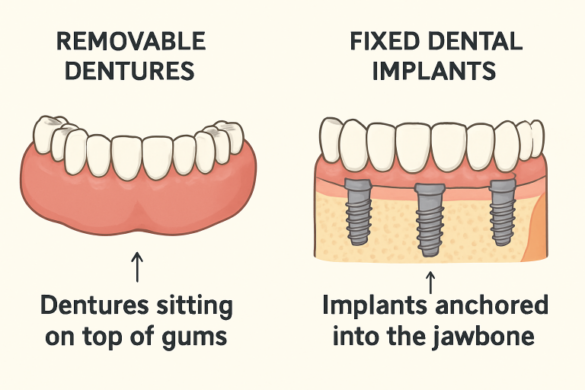
Aging brings about changes in oral health, such as reduced saliva production, increased susceptibility to cavities at the root, and heightened tooth sensitivity. Many seniors also experience dry mouth as a side effect of medications, which can increase the risk of tooth decay and difficulty swallowing. Seniors should continue to have regular dental visits for exams and cleanings. Even those with dentures or dental implants benefit from professional monitoring for comfort and fit, as well as screening for gum disease. Oral care routines may need to be adjusted to include fluoride mouth rinses or specialized brushes for cleaning bridges and prosthetics. Staying hydrated and using fluoride toothpaste can help alleviate some common issues, while gently massaging the gums may boost circulation and overall health. It’s also important to monitor for signs of oral cancer, which becomes more prevalent with age and may present as persistent sores, lumps, or changes in tissue color. With proper daily care and regular checkups, seniors can maintain comfortable, functional teeth and gums, preserving their ability to eat, speak, and smile with confidence for many years.
The Role of Professional Dental Care
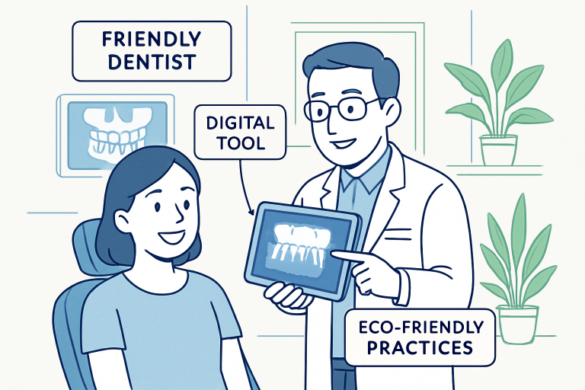
 Regular visits to a trusted dental office are crucial for both preventive care and the early detection of potential dental issues. Dental professionals utilize specialized tools and skills to thoroughly clean teeth, detect signs of decay, screen for oral cancer, and provide personalized advice for maintaining improved home routines. Building a relationship with a familiar dental team can make visits more comfortable, encourage open communication about concerns, and ultimately lead to better long-term dental outcomes. For those apprehensive about dental appointments, modern practices often offer options like sedation or distraction techniques to alleviate anxiety and improve the experience.
Preventive Measures: A Proactive Approach
Preventive dentistry focuses on strategies and treatments that help maintain the health of teeth and gums, thereby minimizing the need for restorative work or emergency procedures. This includes regular cleanings and exams, fluoride treatments to strengthen tooth enamel, and dental sealants that protect the chewing surfaces of molars, particularly in children and teens who are more prone to cavities. Dentists also provide valuable education about effective brushing and flossing techniques, tailored to each patient’s needs. Using the right toothbrush (most are soft-bristled) and toothpaste, brushing for at least two minutes twice daily, and flossing once a day can make a remarkable difference in oral health over time. Limiting sugary snacks and drinks, drinking water throughout the day, and chewing sugarless gum after meals can further reduce the risk of decay. Adopting these habits early on and maintaining them consistently promotes oral wellness, often leading to fewer dental problems and saving time, discomfort, and expense in the long run.
Final Thoughts
Maintaining dental health is a lifelong commitment that requires ongoing attention and care at every life stage. By establishing good habits early, staying vigilant throughout adolescence and adulthood, and adapting routines as needs change in the senior years, individuals can enjoy a healthy smile that looks and feels great. Seeking professional care, asking questions, and staying informed about the best oral hygiene practices empowers people to take charge of their well-being. Remember, a proactive approach to oral health not only preserves your teeth but also contributes to your appearance, confidence, and overall well-being. Invest in your smile—it’s a lasting asset that supports your happiness and health for years to come.