According to Kids and Car Safety, dozens of children have already died of heatstroke in hot cars by 2025. In 2025, at least five children have died after being left in a vehicle.
Child deaths in hot car cases still occur every year in the United States. The incidents and the accompanying reports indicate the extremely rapid rise of car interior temperatures to lethal levels even during the milder days. Leaving a kid in a hot car is not only a hazardous action but also a legal liability.
Charges may differ based on the situation, and the implications stretch beyond the monetary values.
Let us look into the legal consequences for anyone who is responsible for transporting children, because even a small mistake can have terrible legal effects.
Understanding Hot Car Risks
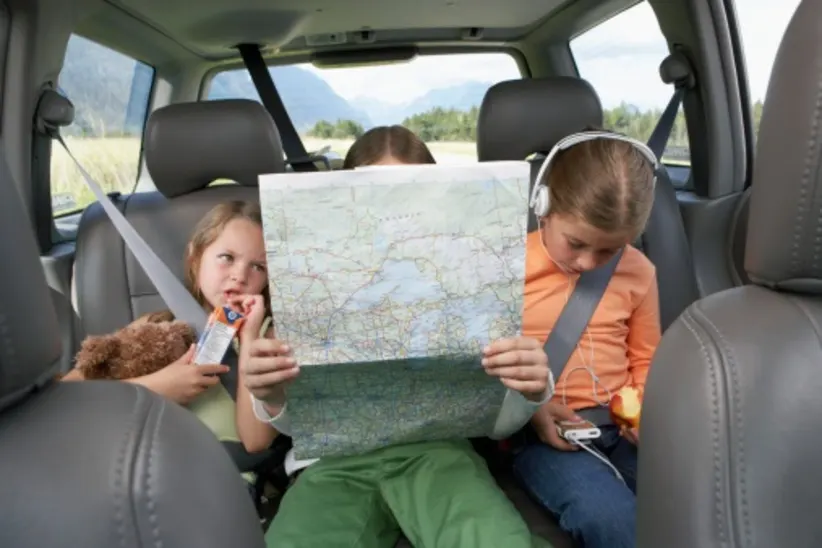
The temperature in a vehicle can soar and shoot up drastically in only a few minutes. A kid’s physique gets heated three to five times quicker than an adult’s, making the possibility of getting heat stroke, getting dehydrated, and even dying much greater.
Leaving a child even for a brief moment could turn into a serious nightmare. It’s common to not realize there’s really any danger, for that matter, being that so many people lead busy lives. Remember, safety and care are where your child needs to rely on you.
Legal Definitions and Charges
Many jurisdictions have laws that define punishment for the act of negligence when a child is left unattended in a car and subsequently prosecuted.
Laws provide for charges like endangerment or neglect of a minor. The seriousness of the accusations determines their gravity. For instance, misdemeanors may be turned into felonies if the act is deemed “aggravated.” This outcome would likely arise in case the minor suffers serious injuries. The situation can move to a higher level and become a felony depending on the child’s age, the duration the child remained in the car alone, and the level of destruction caused. The courts’ functioning is considerably affected, regardless of the motive, by the negligence factor.
If someone is facing this accusation, legal help is quickly necessary. According to criminal defense lawyer Michael J. Thompson, if you want to get a favorable outcome, like having the charges dropped or reduced, or being found not guilty, a criminal defense lawyer can help you work against the prosecution’s evidence.
Penalties and Fines for Caregivers
There may be exorbitantly severe penalties that come in the form of stiff fines, which vary from several hundred to thousands of dollars, according to the jurisdiction of the trial. This event may result in charges of child endangerment or neglect, which itself attracts civil charges, let alone any more civil suits.
A conviction can permanently damage an individual’s reputation and social standing. People must recognize that such laws are put in place to defend children. There can be emotional and legal consequences for not executing the law well.
Impact on Child Custody and Welfare
Similar instances can permanently impact child custody and welfare. These are matters taken up by our courts, as the very continuance of a caregiver becomes doubtful in cases of children being left in a hot car.
The court may have concerns regarding your relationship with the children, and custody matters will be closely examined. A social worker may come into the home to assess your family and parenting styles.
Legal advice and therapy are seen as good ways to get back on good terms with your child and show that you are responsible for their care.
Prevention Strategies and Resources
It is important to understand the legal repercussions of leaving a child in a hot car. This understanding would help actualize preventive methods for a chance to save a life and protect families.
One of the strategies that has been acknowledged as useful is making reminders. Having a stuffed animal in the front seat is a great way to remind you to inspect the back before you lock the car up. There are innumerable applications on your phone that will alert you to pickup times for children. Always remember to check that you have not left your child in the back of a car before driving off.
You can do your part by passing this information to friends and family. Many local organizations provide resources and workshops pertaining to child safety.