When a roof shows signs of wear, such as leaks, missing shingles, or sagging, homeowners often face a critical decision: should they repair the existing roof or replace it entirely? Assessing the extent of the damage, the age of the roof, and the long-term costs associated with ongoing repairs versus a full replacement can help guide this decision. Understanding the pros and cons of each option is essential to maintaining your home’s safety, energy efficiency, and overall value.
For residents considering their options, consulting with a trusted roofing company in Seattle, WA can provide valuable insight into the roof’s condition and the most practical solutions. Experienced professionals can evaluate whether targeted repairs will extend the roof’s life or if a complete replacement is a more cost-effective choice in the long run, ensuring that homeowners make informed decisions that protect their property.
Assessing the Age of Your Roof
One of the primary considerations is the age of your current roofing system. Asphalt shingles, the most common residential roofing material in the United States, generally last between 15 and 20 years before they start to break down. Other materials, such as metal, tile, or slate, can last 40 years or longer. If your roof is nearing or past its expected lifespan, ongoing patchwork fixes can add up, making full replacement the more economical choice in the long run.
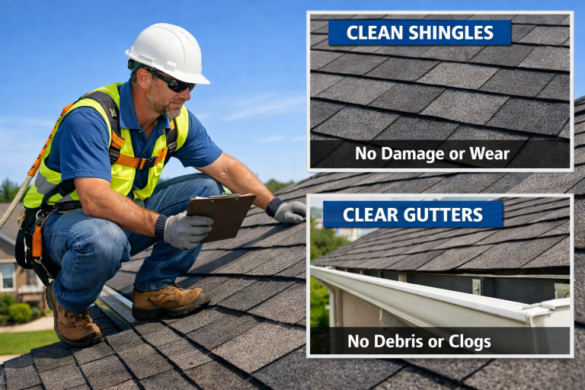
Scheduling regular roof inspections, ideally every couple of years, is crucial for catching small problems early and determining how much useful life remains. While some issues, like minor granule loss, may just signal routine wear and tear, others, like curling or buckling shingles, may indicate that your roof is nearing the end of its service life.
Evaluating the Extent of Damage
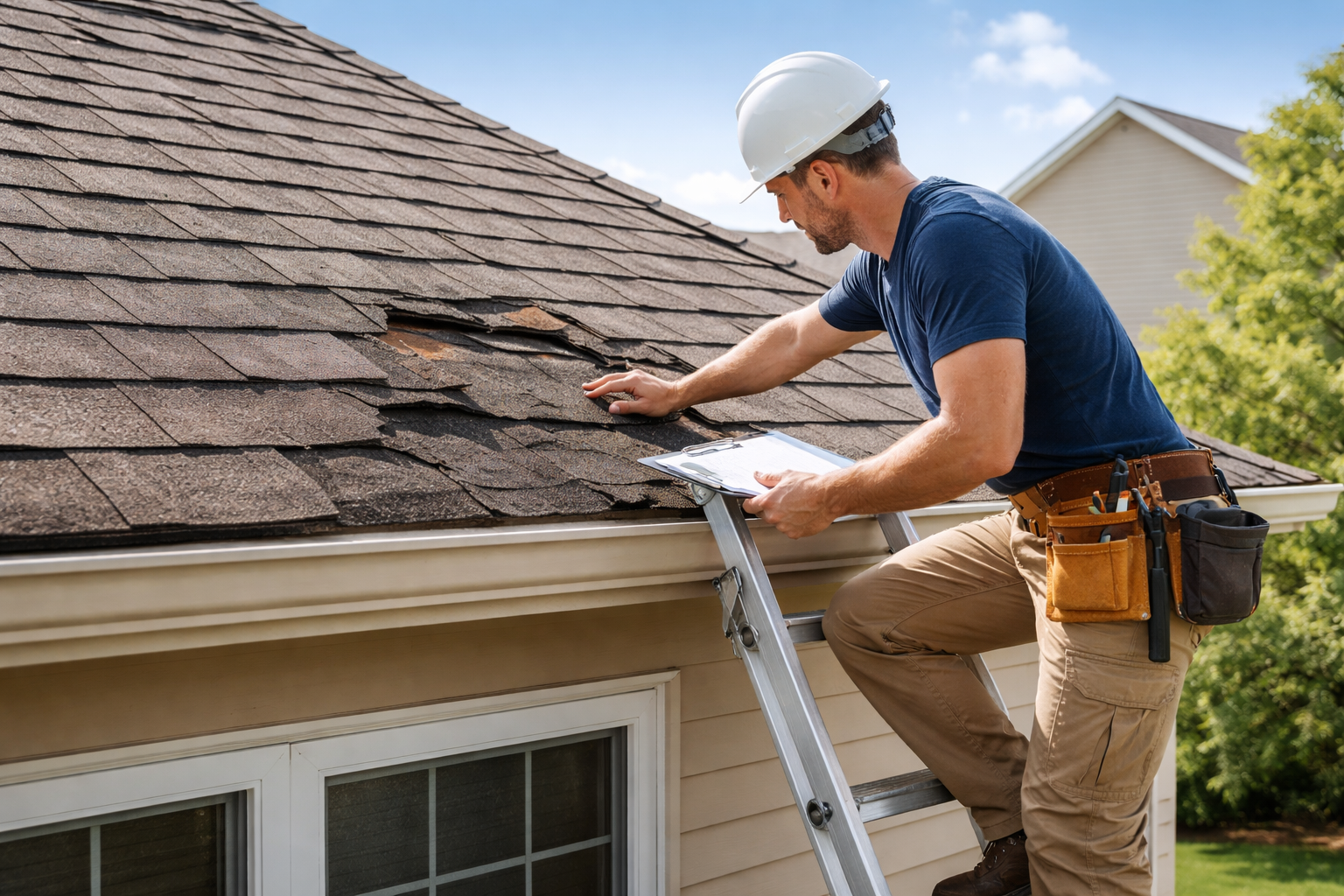
Your decision between repair and replacement also depends on how severe and widespread the damage is. Small leaks, missing shingles, or isolated patches of moss growth generally call for spot repairs. However, if you’re dealing with frequent leaks, visible sagging, or extensive water damage, these are indicators that the problem may be larger than what repairs can address.
A trusted roofing professional will evaluate the state of your roof’s decking and structure, as well as any signs of mold or repeated moisture infiltration. Since structural problems can threaten your home’s safety, a thorough inspection is always recommended to determine whether replacing your roof is the smartest and safest choice. The Federal Emergency Management Agency (FEMA) recommends replacing roofs with extensive storm damage or those that fail to protect against future hazards.
Considering Financial Implications
Budget is often at the forefront of the repair-or-replace debate. While repairs are typically less expensive in the short term, the cost of repeated patch jobs adds up quickly. If your roof is older or prone to damage, investing in a new system can be more cost-effective in the long run. With today’s rising material costs and unpredictable storms, many homeowners find that the up-front investment of a replacement pays off by reducing ongoing repair bills and boosting home efficiency.
Roof replacement also increases your home’s value. Data from Remodeling Magazine’s 2023 Cost vs. Value Report found a national average return on investment (ROI) of up to 61 percent for a new roofing system. For those planning to sell, this upgrade can result in a quicker sale and higher offers.
Energy Efficiency and Home Value
Modern roofing materials offer significant improvements in insulation and energy efficiency. A new roof with energy-efficient shingles, better underlayment, and improved ventilation can lower heating and cooling costs. This is particularly beneficial in climates with substantial rainfall or temperature swings, as in the Seattle area. Such upgrades not only result in monthly energy savings but may also qualify you for local energy rebates and federal tax incentives.
Beyond efficiency, new roofing is a visible upgrade that enhances curb appeal and reassures buyers of the home’s quality. Buyers often cite a recent roof installation as a top reason to pay the asking price or above. A durable, attractive roof can set your home apart in a competitive real estate market.
Environmental and Safety Considerations
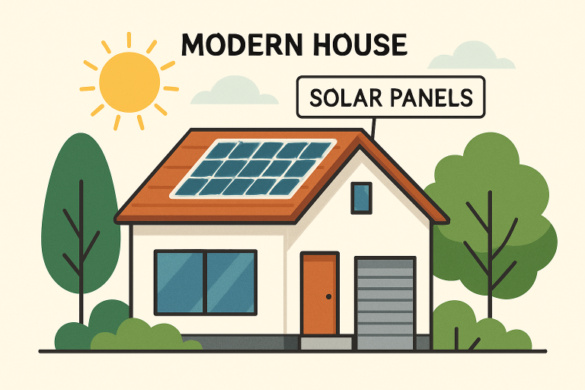
Sustainability is an increasingly important factor in roofing choices. Many homeowners now opt for recycled or energy-efficient materials, such as solar shingles or cool roofing products, to reduce environmental impact and utility expenses. These choices may have higher initial costs but can lead to long-term savings and contribute to local green building initiatives.
Safety is another aspect to consider. A compromised roof can lead to water infiltration, increasing the risk of mold growth, wood rot, and eventual structural damage. Homes in fire-prone or high-wind regions might benefit from upgrading to fire-resistant or impact-resistant materials to meet stricter insurance or local code requirements. Proper ventilation protects against moisture buildup, helping extend the life of your new or existing roof.
Consulting with Professionals
Seeking the opinion of a qualified roofing contractor is highly recommended before deciding on repairs or a full replacement. Professionals provide detailed inspections and insights based on their experience with local weather, materials, and building codes. They can help you balance immediate needs with long-term planning and guide you through permit requirements or warranty options.
Conclusion
Choosing between repairing and replacing your roof requires careful consideration of its current condition, damage level, longevity, financial impact, and your home’s future goals. Consulting reliable experts, prioritizing energy and safety, and considering resale value can help you make a choice that protects your home and investment for years to come.