Preparing your home for an inspection is a crucial part of the selling process. Taking proactive measures offers peace of mind for both the seller and the potential buyer, helping ensure the property’s value is fully realized. A well-prepared home is more likely to attract serious offers, reduce haggling over repairs, and move through the closing phase with fewer delays. For those unfamiliar with what to expect, home inspections play a central role in identifying issues and providing valuable insights for both parties to the transaction.
Making your property inspection-ready goes beyond tidying up and making minor cosmetic changes. Inspectors are looking for a well-maintained environment, clear documentation of any work performed, and easy access to all areas. Addressing these aspects puts both buyers and inspectors at ease, reflecting transparency and pride of ownership. Buyers are more inclined to make strong offers when reassured that the property has been consistently cared for and that there will be no unwanted surprises lurking beneath the surface. By addressing small tasks and providing required access, you indicate a willingness to facilitate a fair and efficient home purchase process. These simple steps can significantly sway a buyer’s impression, making the experience much more positive for everyone involved.
Address Minor Repairs and Maintenance
Small problems can raise red flags with potential buyers and inspectors. Fix dripping faucets, secure loose railings, patch small holes, and replace burned-out light bulbs. Addressing these issues early shows that the property has been maintained over time and discourages overblown repair requests or unfavorable negotiations.
Ensure Accessibility to All Areas
Inspectors must have clear access to every area of the home, including lesser-used spaces such as attics, crawl spaces, utility closets, and garages. Move items that might block entry points, unlock gates or doors, and ensure any obstructions are cleared. This not only saves time on inspection day but also signals your readiness and willingness to facilitate a thorough review.
Maintain a Clean and Organized Environment
A spotless, well-organized home presents better to buyers and makes the inspector’s job easier. Tidy all living spaces, clear out closets, and remove clutter from high-traffic areas. Cleanliness aids a positive perception of your home overall. It can even help highlight the care you have put into your property, bolstering buyer confidence and potentially adding value.
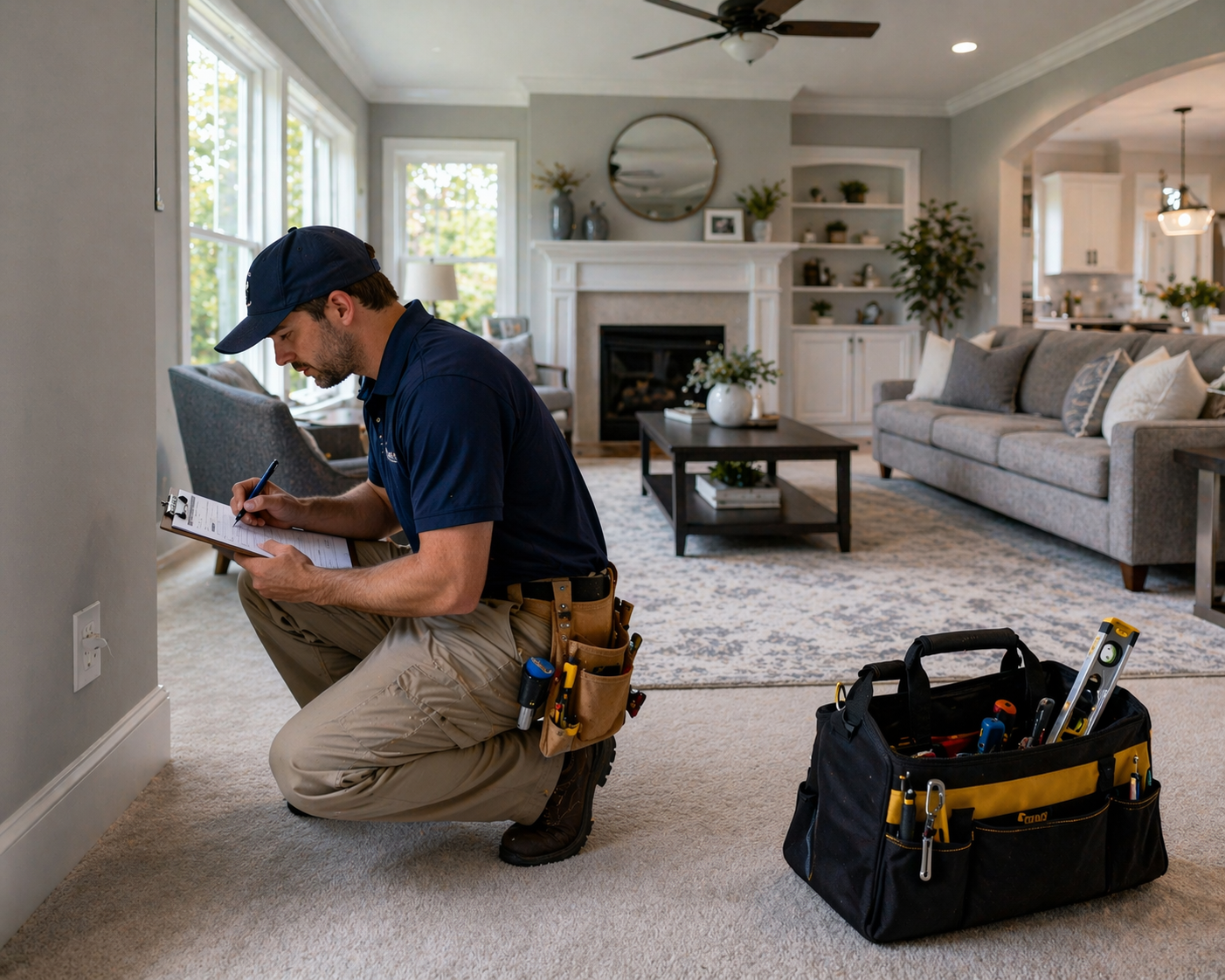
Provide Documentation of Repairs and Maintenance
Gather receipts, invoices, and warranty documentation for repairs and maintenance you have completed since owning the home. Buyers (and their inspectors) can reference these records to feel reassured about ongoing care. Organized documentation demonstrates your transparency about your home’s condition and can streamline negotiations if anything arises during the inspection.
Be Transparent About Known Issues
If you are aware of any existing or previous problems (such as water damage or foundation settlement), report them honestly. Disclosure goes a long way toward building trust and preventing disputes later in the process. Buyers appreciate straightforwardness and are less likely to walk away from a deal if they do not feel caught off guard by unexpected discoveries during the inspection.
Test Major Systems and Appliances
Before the inspector’s visit, verify that key systems in your home are working correctly. Test the heating and air conditioning, ensure faucets and toilets are functional, check electrical outlets, and confirm that the appliances run smoothly. Addressing potential malfunctions in advance minimizes the risk of surprises and makes the inspection and your transaction move forward more efficiently.
Check Safety Features
Inspect and replace batteries in smoke and carbon monoxide detectors. Make sure they are present in all required locations and fully operational. Verify the availability and expiration dates on fire extinguishers as well. Functional safety features not only ease the inspection process but also show you are proactive about protecting your home and its residents.
Prepare the Exterior
Your property’s curb appeal is important, but so is the ease of access for inspection purposes. Trim shrubs, clean gutters, and check for roof issues, such as missing shingles. Inspect doors, decks, fences, and walkways for damage or trip hazards. The outside should look just as well cared for as the interior, giving a strong first impression and supporting a smooth review by inspectors and buyers alike.
Thorough preparation pays off when it comes to home inspections. Sellers who take the time to address issues, provide transparency, and present their homes in the best possible light will experience fewer hurdles during the inspection phase and move closer to a successful sale. A proactive approach not only simplifies the process for everyone involved but also instills greater confidence in your property’s long-term value.
Conclusion
Preparing your home for an inspection is one of the most effective ways to ensure a smooth and successful selling experience. By taking the time to complete minor repairs, organize your space, ensure clear access, and maintain transparency about your property’s condition, you build trust and confidence with potential buyers. These proactive steps not only reduce the likelihood of unexpected issues but also help prevent delays and difficult negotiations. Ultimately, a well-prepared home reflects pride of ownership and signals to buyers that the property has been properly cared for. When inspectors can easily assess the home and buyers feel reassured by its condition and documentation, the entire process becomes more efficient and favorable. Investing effort upfront can lead to stronger offers, a faster closing, and a more positive outcome for everyone involved.