As more people seek eco-conscious choices in all aspects of their lives, sustainable end-of-life practices have moved to the forefront of public interest. One innovative and increasingly popular option is water cremation—also known as aquamation or alkaline hydrolysis. This gentle, environmentally considerate process offers a substantial reduction in energy use and emissions compared to traditional cremation and burial techniques. For those interested in a responsible and meaningful farewell, Eco-Friendly Aquamation Options are now available and gaining recognition as a practical alternative.
Unlike flame-based cremation, which relies on high temperatures and fossil fuels, water cremation uses a unique combination of water, heat, and alkaline chemicals to return the body to its natural components. This method appeals to individuals who wish to reduce their environmental impact, preserve resources, and adopt a more sustainable approach to end-of-life care. Understanding this process —including its benefits, legal status, and how it compares to more familiar practices —enables you to make choices that align with your values and priorities.
As green burial and eco-friendly disposition methods rise in popularity, more providers and communities are considering how to integrate these practices into traditional funeral arrangements. Families and individuals are exploring all options to ensure their legacies protect and honor the planet for future generations.
What Is Water Cremation?
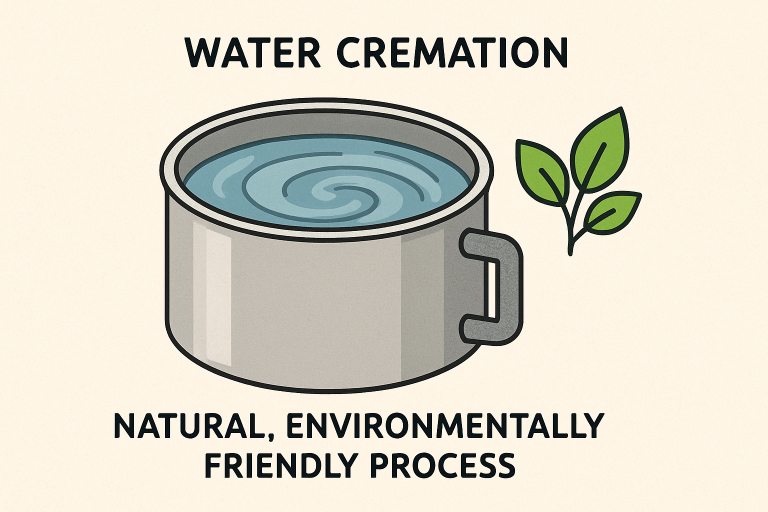
Water cremation, or alkaline hydrolysis, involves placing a body into a specially designed stainless steel vessel. This vessel is filled with a solution of water and alkali (usually potassium hydroxide). The solution is heated to a high, but not boiling, temperature around 90°C (194°F) and gently circulated for several hours. Through this process, organic material is broken down into its basic biochemical components, ultimately leaving behind only softened bone fragments and a sterile liquid. The bone fragments are then processed into a powder, similar to traditional cremated remains, and given to the family.
According to Smithsonian Magazine, this innovative method offers a more environmentally conscious alternative to flame-based cremation, using significantly less energy and producing fewer emissions.
As awareness of sustainability grows, many people are turning to water cremation as a gentle and eco-friendly option that aligns with their environmental values.
Environmental Benefits
Flame-based cremation emits carbon dioxide, particulate matter, and potentially toxic substances such as mercury from dental amalgam. Water cremation, by contrast, offers a much lower environmental impact. According to a National Geographic report, aquamation uses about 90% less energy than traditional cremation and eliminates the risk of air pollution and harmful gas emissions. The resulting liquid is sterile, free of DNA, and safely processed through municipal wastewater systems without environmental harm.
Additionally, there is no need for embalming chemicals or non-biodegradable caskets, both of which can negatively impact soil and water in burial settings. Water cremation aligns with the growing demand for funeral processes that actively reduce ecological footprints.
Legal Status
The legal acceptance of water cremation is expanding across North America and beyond. In the United States, 28 states currently permit water cremation, and legislative efforts are underway in others. The United Kingdom, Australia, and several Canadian provinces also allow the practice, indicating growing international interest in more sustainable funeral choices. As public awareness and demand continue to rise, more regions are expected to update their laws to accommodate this technology.
Process Overview
Step 1: Preparation
The body is respectfully placed into a biodegradable shroud or pouch, which is then laid inside the alkaline hydrolysis chamber designed to ensure dignity and containment throughout the process.
Step 2: Decomposition
The chamber combines water, heat, and an alkaline agent. Over several hours, gentle circulation and precise temperature control allow for the gradual transformation of organic tissue into its natural chemical forms.
Step 3: Completion
At the conclusion, the process yields two byproducts: bone fragments (completely free of organic tissue) and a sterile, aqueous solution. The solution consists primarily of water and small amounts of harmless organic material and is safely treated in the standard municipal system.
Step 4: Finalization
The bone fragments are dried and processed into an ash-like powder, which is returned to the family, allowing for memorialization or scattering similar to flame-cremated remains.
Cost Comparison
Water cremation is competitively priced with traditional cremation, with typical fees ranging from $1,500 to $3,000 depending on geography and provider. Although building a water cremation facility requires a higher initial investment than traditional crematories, lower operating costs (such as lower energy consumption and reduced emissions permitting) can make it more economical over time.
Public Perception
The public response to water cremation has evolved as information becomes more available. Environmentally minded consumers, as well as those seeking innovative and gentle end-of-life care, often respond positively to the reduced impact and respectfulness of the process. However, some faith traditions or cultural groups may have reservations, preferring customary burial or cremation. Transparent communication—both with funeral professionals and within families—can help clarify how aquamation aligns (or doesn’t) with religious or personal philosophies.
Choosing Water Cremation
For those considering water cremation, research local and state regulations to determine if and where the practice is available. Open conversations with trusted funeral directors, community leaders, and loved ones are key. Choosing a provider experienced with aquamation ensures the process is handled with dignity, compliance, and environmental care. Families are encouraged to weigh both practical and personal values when making this important decision.
Conclusion
Water cremation is transforming the landscape of end-of-life care by offering a sustainable, meaningful, and gentle alternative to conventional methods. By understanding how aquamation works, its environmental benefits, and its growing legal acceptance, you can confidently make an end-of-life choice that reflects your concern for both loved ones and the planet.