Introduction to Fire Flow Testing
Fire flow testing is an essential process that evaluates whether municipal water distribution systems are equipped to respond to emergencies such as fires. Through fire flow testing, cities can measure both the flow rate and pressure at fire hydrants, identifying system strengths and deficiencies. Reliable firefighting capabilities depend on these measurements, ensuring safety for people and property. Municipalities can stay proactive by using water system maintenance products to support ongoing system functionality and fire protection readiness.
Understanding fire flow testing means recognizing its role in overall infrastructure health. By regularly examining hydrant performance under operational conditions, water utilities can forecast potential resource shortfalls or pressure drops. This insight gives engineers and decision makers the data they need to prioritize repairs, plan upgrades, and confidently safeguard public health.
Key Components of Fire Flow Testing
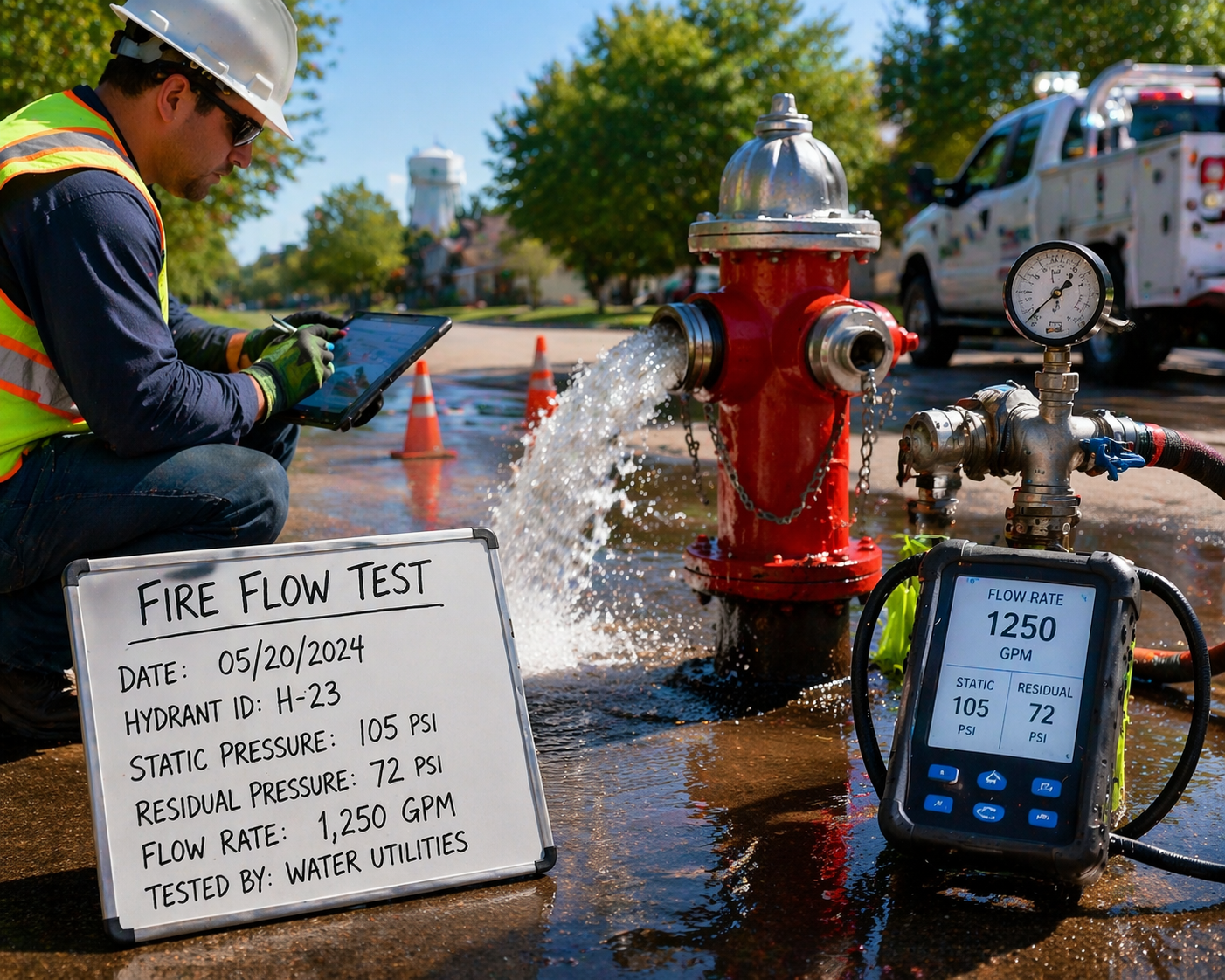
- Static Pressure: The pressure inside the water system when hydrants are closed, and water is not moving.
- Residual Pressure: The pressure observed while water flows from a hydrant during a test, revealing system resilience.
- Flow Rate: The actual volume of water discharged during the test, usually measured in gallons per minute (GPM).
These critical parameters provide a real-time snapshot of the network’s capacity to deliver the water volume needed for effective firefighting, informing future system development and emergency response planning.
Benefits of Regular Fire Flow Testing
Regular fire flow tests equip utilities and municipalities with actionable information, ensuring their networks consistently meet safety standards. These tests highlight system performance, identifying pressure weak zones or areas where water delivery falls short of local codes and insurance requirements. As a result, operators can make evidence-based decisions for improvements, investments, and risk mitigation.
Fire flow testing also helps identify operational problems such as closed or partially closed valves, system blockages, or undetected water leaks. Early detection of these issues with routine testing can extend the network’s service life and minimize costly emergency repairs.
Compliance is another significant benefit. Fire flow testing ensures that systems comply with the National Fire Protection Association (NFPA) and local regulations. Adhering to these standards not only improves safety but also supports insurance ratings and legal compliance.
Beyond operational safety, regular fire flow testing can contribute to environmental stewardship by identifying inefficiencies such as unaccounted-for water loss. Water utilities that address leaks or pressure irregularities through prompt testing help avoid waste and conserve valuable water resources. Through a proactive approach, municipalities can strike a balance between public safety and responsible resource management.
Implementing Effective Fire Flow Testing Programs
- Develop a Testing Schedule: Consistent testing routines provide a longitudinal perspective on system health, making it easier to detect patterns and emerging issues over time.
- Utilize Advanced Tools: Harnessing specialized software and diagnostic equipment can streamline the testing process. Programs such as DRIPS by the International Code Council can model water consumption and optimize system design. Hydrant-specific testing equipment further enhances measurement accuracy, helping engineers analyze and respond to real-world demands quickly.
- Collaborate with Experts: Municipalities benefit from consulting with experienced water engineers, licensed plumbers, and fire authorities to ensure comprehensive testing and result interpretation. These professionals ensure tests meet regulatory standards and recommendations align with best practices.
It is also important for testing programs to be adaptable. Factors such as urban development, population growth, and climate change can place new demands on water supply infrastructure. By making fire flow testing an integral part of strategic utility planning, municipalities can better anticipate and respond to these evolving challenges, ensuring sustained service quality even as community needs change.
Challenges in Fire Flow Testing
- System Fluctuations: Fluctuations in demand, infrastructure age, and seasonal changes can impact fire flow results, creating variability that complicates data interpretation.
- Data Interpretation: Effective use of fire flow data depends on analytical expertise. Highly technical calculations and adjustments for environmental variables are required to draw reliable conclusions and implement meaningful corrective action.
Staff training, ongoing education, and adherence to up-to-date calibration standards are therefore essential for making the most of test results.
Furthermore, running tests under real-world emergency scenarios and simulating worst-case events can provide deeper insights into a system’s potential weaknesses. When local water utilities incorporate disaster scenario drills into their regular fire flow testing, they gain a more comprehensive understanding of their infrastructure’s resilience and can prepare contingency plans to address the most likely vulnerabilities.
Final Thoughts
Fire flow testing stands as one of the most effective tools for optimizing water distribution systems. When municipalities combine regular testing with advanced technologies, expert consultations, and quality maintenance products, they create secure, resilient water infrastructure. These efforts not only protect property during fire emergencies but also ensure that communities’ water supply systems remain dependable, efficient, and safe.
Ultimately, as demands on water utilities continue to grow, maintaining an agile and data-driven fire flow testing program is vital. By fostering a culture of safety, innovation, and collaboration, cities can maximize the value of their investments—delivering peace of mind and lasting benefits to residents, businesses, and emergency responders alike.