 Homes in Huntsville, AL, show how climate, growth patterns, and shifting family needs shape long-term comfort. Rapid development brings new neighborhoods, yet owners still look for designs that support daily life over decades. Strong seasonal swings challenge structural durability, while rising property values motivate owners to plan smarter. A home that ages well reflects thoughtful decisions about layout, materials, and future flexibility. Such planning protects comfort during life’s changes and strengthens long-term property value. Local buyers also pay close attention to how homes respond to maturing neighborhoods, shifting commute routes, and long-term ownership patterns. Strong planning encourages smoother transitions as families grow, careers change, and lifestyle demands rise. A well-considered home stays adaptable and continues to deliver daily comfort.
1. Maintenance Strategies That Sustain Value
A home that ages well depends on steady care. Routine inspections reveal small issues before they escalate. Cleaning schedules, seasonal HVAC checks, and annual plumbing reviews protect against costly repairs. Owners who document maintenance gain a clearer picture of system health and create a strong record for potential buyers. Regular updates to caulking, paint, and weatherstripping encourage long-term stability. Small habits create strong lifecycles for major systems. A consistent maintenance plan keeps daily living smooth and extends the life of structural and mechanical components.
2. Smart Exterior Planning for Long-Term Protection
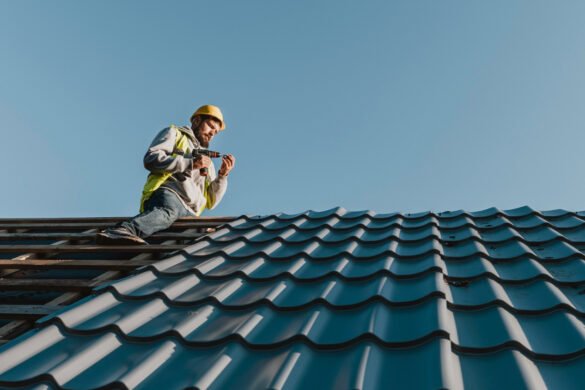
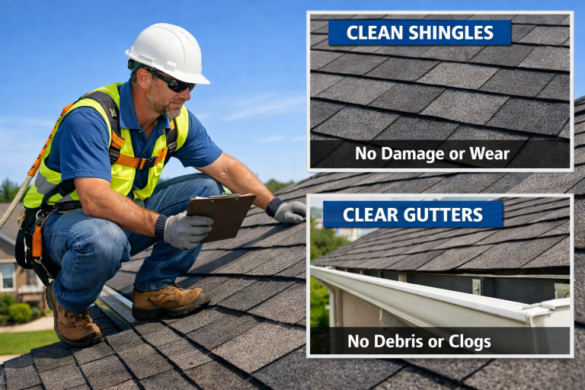
Thoughtful exterior planning guides a home’s ability to stand strong against heat, storms, and routine wear. Huntsville’s mix of humid summers and cool winters demands durable roofs, well-sealed walls, and drainage systems that respond quickly to heavy rain. Owners who plan upgrades with a trusted Huntsville roofing contractor place their homes in a stronger position during seasonal stress, especially when storms intensify or maintenance needs rise. Good exterior choices provide a solid foundation for future improvements and keep outdoor systems working smoothly as families grow. Exterior upgrades also influence resale strength because buyers value homes that show consistent care. Durable siding, reinforced gutters, and shaded outdoor areas support long-term livability. Thoughtful grading prevents water from pooling near foundations. Each choice adds a protective layer that strengthens comfort and reduces future repair pressure.
3. Structural Layouts That Support Changing Lifestyles
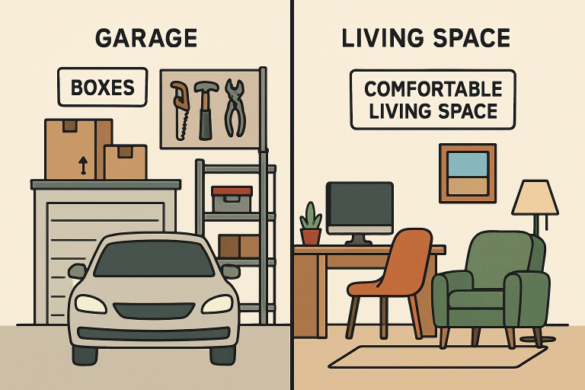
A layout that works during early ownership often changes as families evolve. Open floor plans allow natural movement and clear sightlines, while strategically placed rooms support privacy and quiet work. Wide hallways, single-level living zones, and step-free transitions reduce strain as mobility needs shift. Strong structural planning gives owners freedom to adapt spaces without major reconstruction. Flexibility increases comfort and boosts the home’s long-term appeal to future buyers. Adaptable layouts also support multigenerational needs and make caregiving easier. Rooms with flexible purposes allow owners to shift from office use to guest space without major disruption. Thoughtful circulation patterns keep movement intuitive and improve overall functionality. Good airflow improves daily focus.
4. Energy-Efficient Features That Strengthen Daily Comfort
Energy-efficient systems create a more balanced living environment and reduce monthly costs. High-performance windows control heat transfer, while upgraded insulation stabilizes indoor temperatures. Modern HVAC units improve airflow and reduce humidity. Smart thermostats help owners fine-tune comfort with minimal effort. These choices build a home that responds smoothly to weather changes and reduces energy waste. Efficiency-focused designs improve comfort, support long-term sustainability, and raise market value. Efficient lighting reduces heat output and improves visual comfort in busy areas. Zoned climate control helps different rooms maintain stable temperatures during heavy use. These improvements build long-term financial stability because owners avoid rising energy costs.
5. Interior Materials That Stand Up to Daily Use
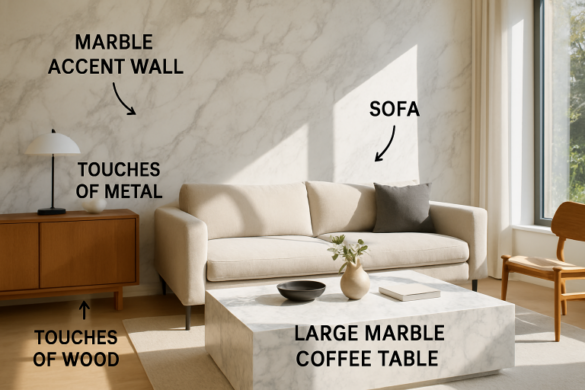
Durable interior materials reduce replacement cycles and preserve visual quality. Hard-surface flooring resists scratches and moisture, while stain-resistant fabrics support longevity in high-use rooms. Quartz and other solid-surface countertops maintain their appearance over time and handle heavy daily activity. Owners create lasting value when they select materials that stay attractive with minimal upkeep. Strong finishes protect daily comfort and simplify long-term maintenance. Moisture-resistant paints support long-term wall protection and keep surfaces looking clean. Cabinets with reinforced hinges hold up to frequent use and maintain smooth operation. Thoughtful storage solutions reduce clutter and preserve visual balance in busy households.
6. Technology Integration That Evolves With Household Needs
Smart-home technology grows quickly, so homeowners gain long-term value when they choose systems that update easily. A strong wiring plan supports future devices without major renovation. Structured cabling, ample outlets, and reliable Wi-Fi coverage allow owners to add security features, automation tools, and entertainment systems as needs shift. Voice-control hubs, adaptive lighting, and connected appliances improve convenience during daily routines. Flexible tech design ensures smooth upgrades without stressing the core structure of the home. Future-proof planning also supports resale. Buyers look for homes that already support digital lifestyles, especially families who prioritize efficient routines and consistent connectivity. Technology that adapts easily gives households freedom to expand as work demands, entertainment habits, and family responsibilities evolve.
7. Outdoor Living Spaces That Grow With the Home
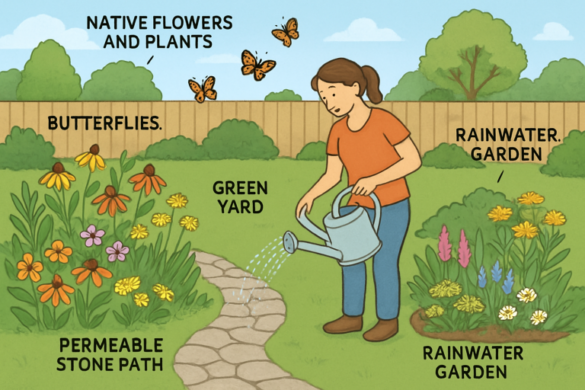
Outdoor areas shape daily comfort just as much as interior rooms. Thoughtful planning helps these spaces mature gracefully. Covered patios extend usable square footage and create reliable gathering spots throughout the year. Well-planned landscaping improves shade, privacy, and storm resilience. Native plants reduce long-term maintenance and provide stability as seasonal patterns shift. Homeowners also protect value when they invest in outdoor lighting, weather-resistant materials, and stable walkways. As families change, these outdoor areas support new routines—quiet coffee mornings, active play zones, or peaceful reading corners. Long-lasting outdoor planning encourages healthy living, reduces maintenance pressure, and enhances a home’s long-term appeal.
8. Storage Solutions That Preserve Order Over Time
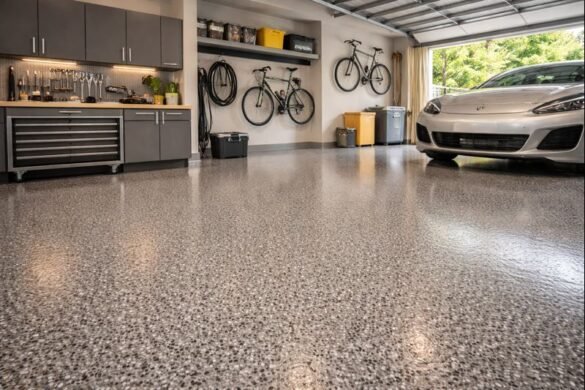
A home ages gracefully when storage keeps pace with changing lifestyles. Custom shelving, well-placed closets, and multi-purpose cabinetry help owners stay organized as belongings shift. Adjustable shelving responds to new hobbies, expanding work needs, or growing families. Built-in storage near entry points reduces clutter and improves flow during busy days. Kitchen storage with deep drawers and pull-out trays makes daily tasks easier and longer-lasting. Thoughtful planning in utility areas, such as laundry rooms or mudrooms, gives families space to reorganize as routines evolve. Reliable storage solutions maintain visual calm, which strengthens a home’s sense of comfort and value.
A home gains lasting strength when every decision supports comfort, flexibility, and value. Owners who plan for growth rather than short-term trends build living spaces that adapt smoothly to life’s changes. Structural durability, efficient systems, thoughtful layouts, and long-term maintenance work together to preserve quality. A home that ages well gives families stability, reduces stress, and allows daily life to unfold with ease.