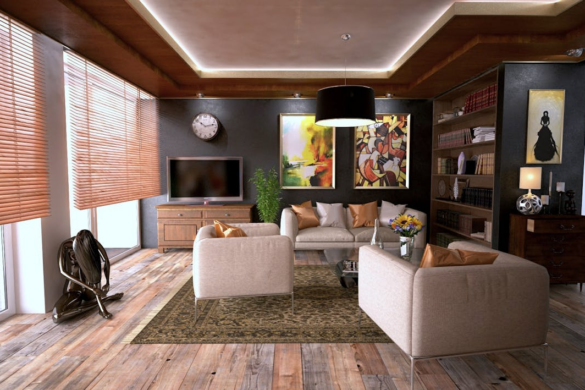
Hardwood flooring instantly elevates any interior with charm and sophistication. However, with so many options, finding the right fit for your home can feel overwhelming. To make the selection process easier, this guide breaks down everything you should consider, including advice on professional hardwood floor installation services in Tulsa for a flawless finish and lasting durability.
From comparing solid and engineered hardwood to evaluating finishes, species, and installation options, this comprehensive overview helps you make informed choices to suit your style, budget, and lifestyle.
Solid vs. Engineered Hardwood
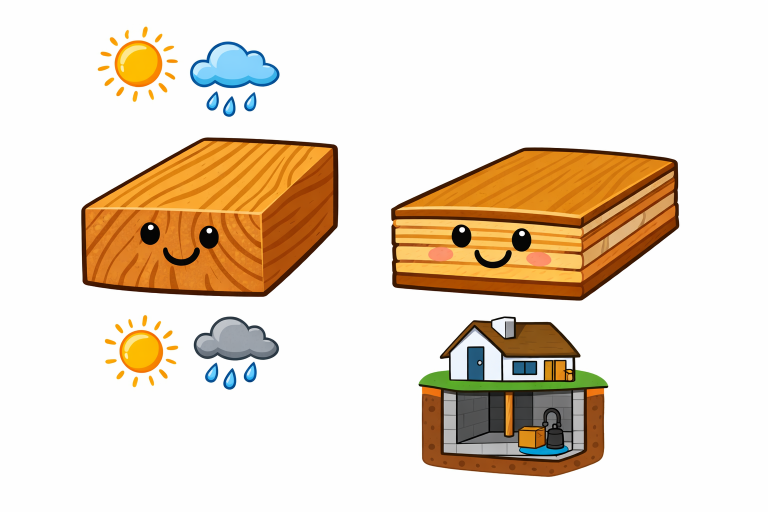
There are two primary categories of hardwood flooring, each with unique benefits. Solid hardwood planks are made from a single piece of wood. They have the thickness needed to be sanded and refinished several times throughout their lifespan. This makes them a preferred choice for those seeking longevity and traditional charm, especially in rooms located above ground level. However, solid hardwood is sensitive to humidity and temperature swings, which can cause warping or gapping over time.
Engineered hardwood, on the other hand, has a top layer of plywood supported by several underlying layers of high-quality plywood. This construction makes it more stable, so it handles humidity better and works well in basements or over concrete. It comes in a wide variety of styles, stains, and textures, offering design flexibility and performance where moisture may be an issue.
Selecting the Right Wood Species
The choice of wood species affects both how your floors look and how they stand up to daily wear and tear. Oak is extremely popular due to its durability and characterful grain, making it a great all-purpose option. Maple, with its clean lines and lighter tones, offers a modern feel. Hickory ranks among the hardest domestic woods and is an excellent pick for high-traffic areas. Meanwhile, walnut’s deep, rich color brings a sense of luxury and depth to homes seeking an elegant look.
Hardwood species are rated according to the Janka hardness scale, which measures a wood’s resistance to dents and wear. For instance, hickory rates at 1,820 lbf, while red oak sits at 1,290 lbf. When selecting a species, consider foot traffic, pets, and the likelihood of impact or abrasion in your space.
Finishes and Maintenance
Hardwood floors are available in two main finish types: prefinished and site-finished. Prefinished planks are sanded, stained, and sealed at the factory. They streamline installation, allowing use right away, and the finishes are often harder and more moisture-resistant than site-applied finishes. Site-finished planks, sanded and stained after installation, offer maximum customization and seamless color throughout your floor. However, they require a longer installation period with more attention to dust and fumes.
Maintenance varies by finish and sheen level. Matte or hand-scraped finishes help to camouflage minor dings and scratches, making them a smart choice for active households or homes with pets. Routine care involves sweeping, occasional damp mopping, and prompt cleanup of spills. For an in-depth look at caring for wood floors, review this HGTV resource on hardwood floor cleaning.
Installation Methods
The way hardwood floors are installed can affect their durability and performance over time. The nail-down method is commonly used with solid hardwood on wooden subfloors, providing a stable, long-lasting surface. Glue-down installation is typically required for engineered hardwood, especially when covering concrete or radiant heating. The floating method, where boards lock together with no attachment to the subfloor, offers easy installation and flexibility for areas with fluctuating temperatures or humidity.
Improper installation can mean gaps, squeaks, or movement down the road. Many homeowners choose to work with professional installers rather than taking on the project themselves. For more on the pros and cons of professional installation, check out this resource from Better Homes & Gardens.
Budget Considerations
The cost of hardwood flooring depends on multiple factors: the type of wood, whether you select solid or engineered planks, the finish, and the complexity of the installation. According to industry experts, material costs start at under $3 per square foot for lower-end engineered wood but can exceed $10 per square foot for premium species or custom finishes. Labor rates also vary by installation method, prep work, and your local market. For a standard 320-square-foot living room, the complete cost could range from just under $1,000 to upwards of $7,000, including labor and materials. Thoughtful planning can keep your project on track and within budget.
Environmental Impact
Choosing sustainable materials is important for many homeowners. Look for hardwood flooring certified by organizations like the Forest Stewardship Council (FSC), which ensures responsible harvesting and forest management practices. Bamboo is an alternative that grows quickly and is highly renewable, though it is technically a grass. Ask vendors about the sourcing and environmental policies of their products to ensure your choices align with your green values.
Conclusion
Hardwood flooring is an investment in your home’s appearance and long-term value. By researching wood types, construction, finishes, installation options, and sustainability, you can find the best fit for your preferences and lifestyle. Thoughtful selection and expert installation will ensure your new floors bring beauty, durability, and comfort for years to come.