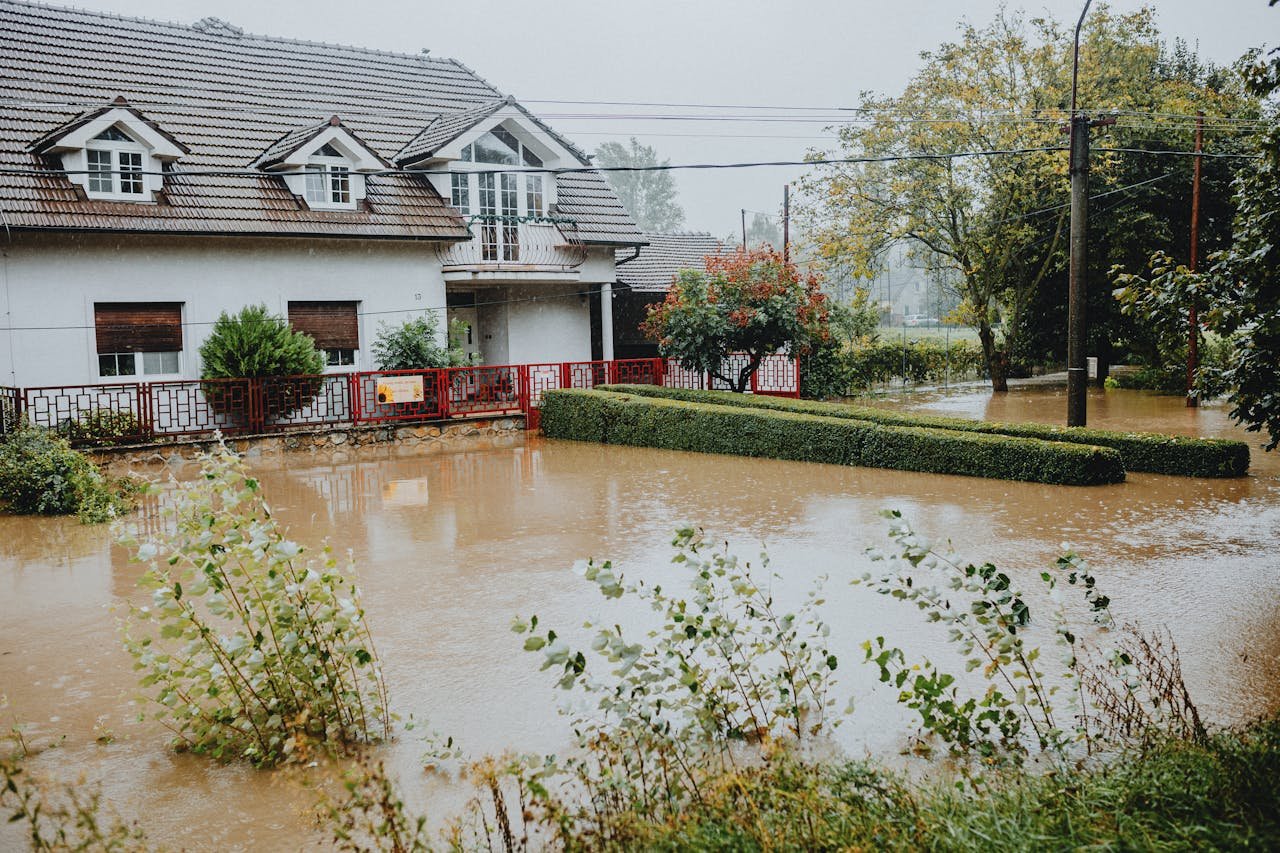
 Warm weather, waterfront views, and a relaxed coastal lifestyle make Palm Harbor an attractive place to live year-round. But as early June approaches, residents also know what comes next — months of heavy rain, sudden thunderstorms, and long stretches of damp weather that can put serious pressure on a home. Small maintenance problems that seem harmless during dry weeks can quickly turn into costly repairs once the rainy season begins. Water damage, roof leaks, poor drainage, and weakened exterior surfaces often become much worse when ignored for too long. Preparing your home before the storms arrive is one of the smartest ways to avoid emergency repairs, protect your property, and keep your household comfortable throughout the season.
Here’s how you can do this.
Ensure Proper Roof Drainage Before Storm Season
Heavy rain can create serious problems when water is unable to move away from the roof correctly. Downspouts should be checked carefully for blockages, loose connections, or signs of damage that may affect drainage. During strong thunderstorms in Palm Harbor, poor water flow can cause standing water near the home and lead to roof deterioration or moisture problems around the property. Professional inspections are often worth scheduling before the rainy season begins because experts can spot hidden drainage issues homeowners may miss. You can avail of Sunrise Drainage services in Palm Harbor to make sure your drainage systems are functioning properly before severe rain arrives.
Repair Foundation Cracks Before Moisture Spreads
Small foundation cracks can become much bigger once the ground becomes saturated with rainwater. Water slowly seeps into these openings and weakens surrounding areas, which may eventually lead to structural concerns or indoor moisture problems. Some homeowners dismiss hairline cracks as harmless, but rainy conditions can make them worse very quickly. Look carefully around the base of the home for visible gaps, uneven surfaces, or damp spots. Basement walls and garage floors should also be checked for signs of water intrusion. Sealing cracks before the rainy season reduces the risk of water damage and helps protect the long-term condition of the property.
Check and Seal Cracks Around Windows and Doors
Rainwater can easily enter through small openings around windows and doors. These gaps may not seem serious during dry weather, but once heavy rain and strong winds arrive, moisture can quickly make its way indoors. Damp walls, peeling paint, and mold growth often begin with tiny cracks that were ignored for too long. Carefully inspect the edges of windows and door frames for worn sealant or visible openings. Replacing old caulking is a simple repair that can make a noticeable difference during storm season. Proper sealing also helps maintain indoor comfort by preventing humid outdoor air from entering the home during rainy months.
Check for Signs of Interior Water Damage
Indoor water damage often develops quietly before becoming obvious. Discolored ceilings, bubbling paint, musty smells, and warped flooring can all point to hidden moisture problems inside the home. These warning signs should never be ignored before the rainy season begins because additional rainfall can make the damage spread much faster. Inspect rooms carefully, especially near windows, ceilings, and corners where leaks tend to appear first. Attics should also be checked for damp insulation or water stains. Finding and repairing hidden moisture issues early can help prevent mold growth and protect the overall condition of your living space during months of frequent storms.
Test Your Sump Pump and Backup Power Source
A sump pump can protect your home from serious flooding during long periods of heavy rain, but it only works well if it has been tested ahead of time. Many homeowners forget about it until water begins collecting where it should not. Pouring a bucket of water into the sump pit is a simple way to check whether the pump activates properly. Strange noises, delayed response, or failure to drain water are all warning signs that repairs may be needed. It is also smart to check the backup power source because storms can sometimes knock out electricity. A working backup system can prevent flooding during critical moments when you need protection the most.
Trim Trees and Remove Weak Branches Near the Home
Heavy rain combined with strong winds can place enormous stress on the trees surrounding your property. Weak branches may snap unexpectedly and damage roofs, windows, fences, or parked vehicles. In some cases, large limbs can even pull down power lines during severe storms. Before rainy weather becomes frequent, inspect nearby trees carefully for dead branches, leaning trunks, or signs of decay. Trees growing too close to the house should also be trimmed to prevent branches from scraping against the roof during windy conditions. Professional tree trimming may be necessary for larger trees that pose safety risks. Preventive care can protect both your home and the people around it.
Inspect Exterior Walls and Siding for Damage
Exterior walls are constantly exposed to moisture during the rainy season, which makes existing damage much worse if left unattended. Cracked siding, peeling paint, or loose panels can allow water to seep behind the surface and create hidden structural problems. Once moisture becomes trapped inside walls, mold and wood rot can develop faster than many homeowners expect. Walk around the outside of your home and look closely for visible wear or soft spots. Areas near windows and corners deserve extra attention because water often collects there first. Repairing exterior damage before storm season helps your home stay dry and protected when rainfall becomes more intense.
Service Your HVAC System Before Humidity Rises
Rainy weather often brings heavy humidity that can make indoor spaces feel sticky and uncomfortable. Your HVAC system plays a major role in controlling moisture levels inside the home, so it should be inspected before the season changes. Dirty filters, clogged drain lines, or worn components can reduce efficiency and affect indoor air quality. If the system struggles to remove humidity properly, mold and mildew can become much more likely. Scheduling professional maintenance before the rainy season can help your system run more effectively when temperatures rise and the air becomes damp. A clean and efficient HVAC system can make your home feel far more comfortable during wet months.
A home that is properly prepared for the rainy season feels safer, more comfortable, and far less stressful when storms finally arrive. Waiting until problems appear usually leads to rushed repairs and higher expenses that could have been avoided with earlier attention. Taking time to inspect key areas of the home allows you to handle small issues before they grow into larger ones. Rainy months are much easier to manage when your property is ready to handle changing weather conditions. A little preparation before the season begins can give you greater confidence every time dark clouds roll in.