
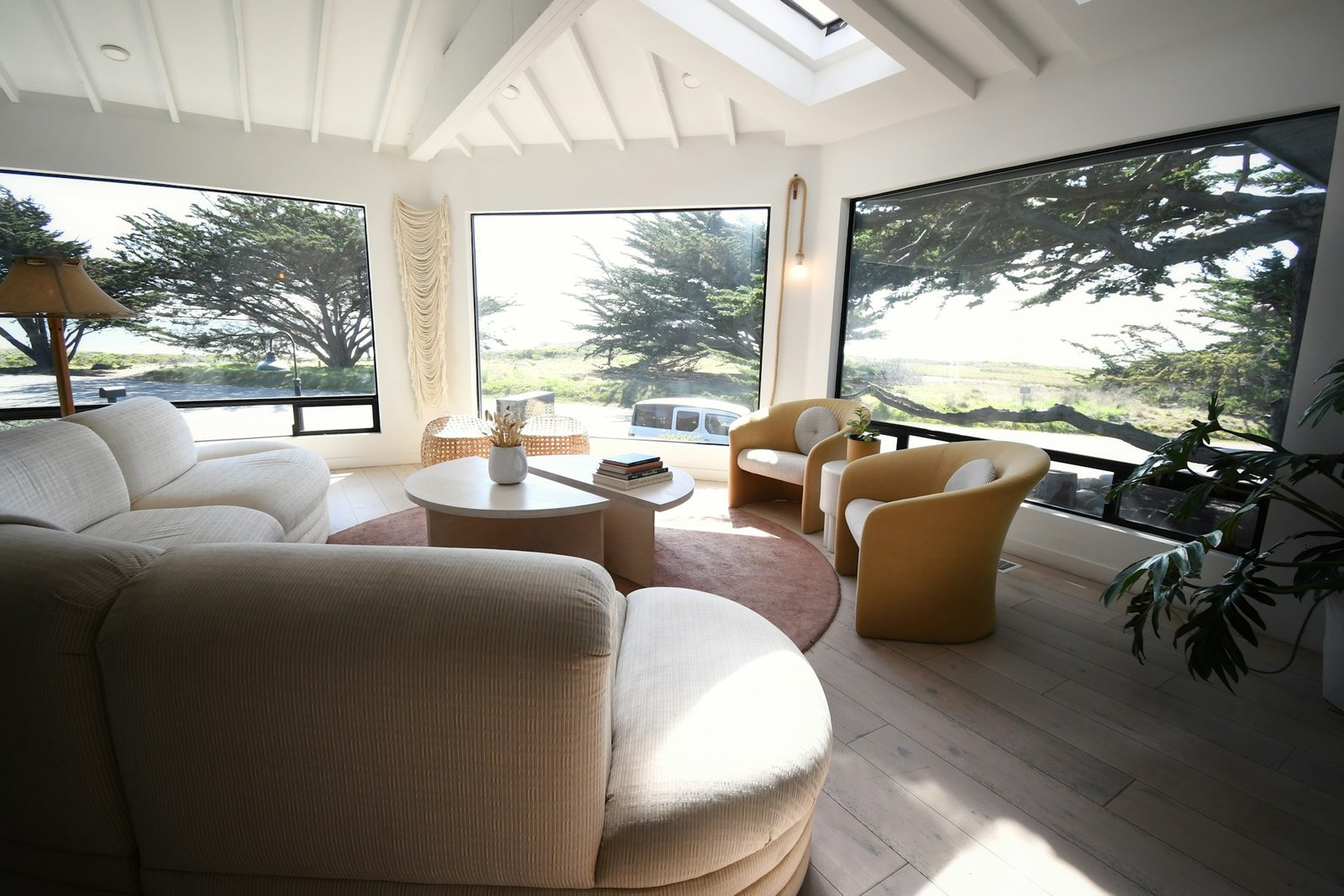
You know the feeling of walking into a room with a skylight. It feels different, even if it’s the same square footage of the room next door, it feels bigger, lighter, and airier. While the space is the same dimensionally, perception does play a role. However, the way that light interacts with space from above versus at eye level has the ability to create such impression, more than average windows, so that rooms feel like they’re double in size.
Natural Light Comes in From Above
Windows let in light from the sides. This creates a brighter wall while the rest of the room is dark. Instead, a skylight brings it straight down and occupies the entire space. The more limited wall spaces for windows mean smaller rooms often benefit with the skylight effect. Think of bathrooms, hallways, interior kitchens (like when you need to walk through to get to another room and there’s no window on that wall), or converted attics with slanted walls, missing a proper place to put in a conventional window.
This is not only because a space is brighter. However, our brains perceive brightness as equal to openness. Light that comes overhead hits more surfaces before it hits our eyes – from the top of the refrigerator to the floor instead of a sideways window which carves half the room out of light as it sits perpetually cast in shadow.
Light Quality Matters
Furthermore, there is an illusion through an angled window vs a vertical one relative to providing natural space. You see sky. You see clouds. You see the weather changing. You see stars during midnight. This perspective creates an open air to something that comes down through the room instead of something that’s just pushed into a corner. Regardless of dimensions, now there’s some visual connection to the outside world that its proximity was previously keeping in a confined state.
Furthermore, lower ceilings appear higher when things extend through them up to the sky. An 8-foot ceiling may feel small until it’s punched through by a skylight. Suddenly, your eye goes up to accommodate the extra light and unexpected view. There’s now vertical space that previously didn’t appeal to one’s brain until it had reason to look up.
The Perks of Skylights
Not all natural light is the same, from north to south exposure, even east and west. North light is consistent but dull. South exposure brings in hot light and harsh afternoons; east windows allow you bright mornings; west windows cast evening shadows; skylights get it all.
Beyond feeling all day long like different lights interact with rooms because of their source, they can also help those looking for solutions to make their thermal performance work better for them in terms of too much or not enough sun. Skylight manufacturers combine light exposure with thermal efficiency like those at accesspanelsdirect.com/product-category/skylights-rooflights/.
Where Skylights Work Best
Not every room needs a skylight, but many specific spaces would benefit greatly with one. For example, bathrooms are typically lightless because no one wants an outsider looking in at them handling their private business. Often, this leaves half-light spaces dark and cave-like. However, when no one can see up, it’s easy to pop open a skylight and transform these small and windowless spaces easily.
Powder rooms, walk-in closets, any small spaces are also ideal places for skylights when windows on walls would be inappropriate. An interior kitchen without outside walls is another good suggestion; while task lighting over countertops boasts work energy, cooking inside a dark cube is still limiting and makes it feel more like a box than a room, especially if there isn’t an open concept layout to let more light from other living spaces flood in. A proper light overhead transforms this small space into something dynamic.
A stairwell is another place where access panels rooftops can be used; most people spend time walking up and down stairs with borrowed light or artificial means of lighting relying on someone else turning off/on the bulb for their time spent there during the day, which can be all day long. Yet, one skylight can sufficiently brighten three flights of stairs at once without any dark corners, saving on electricity during daylight hours.
The Perception Factor
This is why real estate agents love selling them; they take better pictures sure – but they make people feel more. Even if a room is obviously 10-feet by 12-feet because you have the dimensions, or it’s on paper, whenever you walk into a 10-foot by 12-foot room with a skylight, it will always feel bigger than the 10 by 12 next door that happens to have an average window.
This goes back into how people perceive space based on how well they can see it. When dimly lit or unevenly lit, people can’t appreciate dimensions so they assume it’s smaller than it actually is since they’re stuck in shadows and dark corners unable to understand how much space should be there due to reserved perceptional fairness. Yet, when people have everything lit up above them, it becomes transparent how much space there really is, it’s not cramped. It’s generous.
The Downside
However, while this sounds great, skylights are not without their issues. Poor installation creates leaks that cause damage to ceilings and mold issues, and it’s not enough to just slap one on with paint; you need proper flashing so moisture stays out. From air and snow melting moisture during various weather patterns throughout all seasons.
Furthermore, without quality units, you lose heat in the winter and gain in the summer, and if windows are more fan-like than traditional spinning ones, not every roof style can accommodate them without major structural repairs needing to be made to support what’s changing inside the room itself.
Furthermore, size plays an issue, as well as placement, if it’s too big or small or placed unevenly, one half could get sunlight all day while another half goes unlit (in a poor way), facing north gives you illumination but no depth; south gives you glare and warmth needing to be figured out for summertime assaulting, while north skylights give preservation options.
The Financing Options
Finally, it’s relative to cost. In new construction, they ultimately make sense as planned; in existing home development, they’re an added option that will require roof penetration, interior work for proper framing whichever unit used and finishing work inside rendering them senseless if not checked off as appropriate.
Ultimately across boards new construction generally will run a few hundred pounds for materials just for a basic fixed unit, not including installation fees (pushed way up). Venting skylights cost more, but at least they open, and you can figure their true worth once they’re installed down for cooling purposes.
Whether you’re getting paid back in equity, beyond general aesthetics, in reduced lighting costs since naturally your personnel will be illuminated from within helped by natural forces from above, and hopefully depending on how cherished placement turns out, living spaces that feel bigger than they actually are have always gotten more money, from natural light rendering high space appreciated safely over head and reasonable buyer request lists ranked high across the board.