
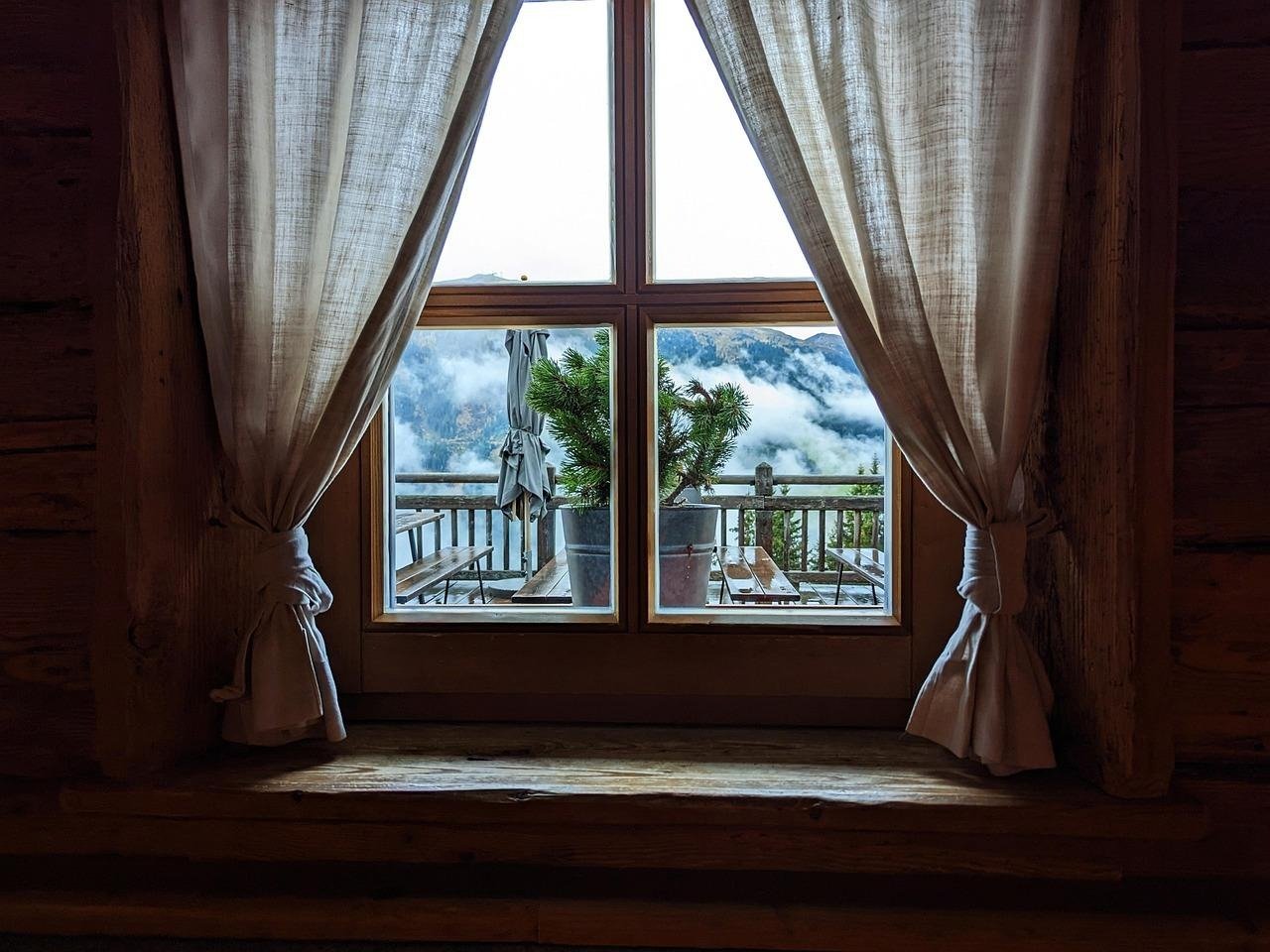
A weather-ready home supports comfort, protection, and long-term value. Changing conditions throughout the year can place pressure on a home, especially during shifts between warm spells, sharp temperature drops, and unpredictable storms. Denver’s variable climate shows how quickly weather can change and why steady preparation matters.
A thoughtful strategy helps maintain stability indoors while reducing the risk of preventable repairs. Clear steps create a stronger home that stays ready for whatever the next season brings. The following sections break down practical ways to reinforce key areas, giving homeowners simple guidance that pays off throughout the year.
Update Exterior Protection for Seasonal Shifts
A home’s exterior sets the tone for overall durability. Siding, trim, and doors face sunlight, moisture, wind, and temperature changes throughout the year. Regular evaluations help reveal cracks, peeling paint, and worn surfaces before they allow deeper problems to develop. Small imperfections can lead to energy loss and moisture intrusion, which gradually weaken structural elements.
Routine checkups help track changes and make it easier to plan repairs with confidence. Sealing gaps around doorframes and exterior joints helps stabilize indoor comfort and reduces strain on heating and cooling systems.
Strengthen Window Efficiency for Year-Round Comfort
Windows play a critical role in regulating a home’s indoor temperature. Drafts, worn seals, or aging frames disrupt comfort and increase energy consumption. Warning signs such as condensation between panes, rattling during strong winds, or noticeable temperature shifts near the glass indicate that the windows may need attention.
An effective solution begins with a thorough evaluation of the window system. In Denver, where seasonal temperature swings can be demanding, a qualified specialist can assess frame integrity, seal performance, and hardware alignment to identify specific problem areas. Partnering with a reputable Denver window company helps connect homeowners with qualified professionals who understand local conditions and window performance requirements. These experts can accurately diagnose issues and recommend practical solutions that improve efficiency and comfort.
Improve Roof Readiness Before Weather Turns Harsh
The roof carries a large portion of the home’s seasonal pressure. Sun exposure, wind, and precipitation can loosen shingles and weaken problem areas around vents or chimneys. Regular inspections help reveal early issues that would turn costly if ignored. A clear view of the roof surface makes it easier to pinpoint areas that need attention, such as missing shingles or soft spots.
Clearing branches, leaves, and debris supports proper drainage and prevents water from lingering on the surface. Clean gutters guide moisture away from the home and protect the structural layers beneath the shingles.
Support Interior Insulation for Better Energy Stability
A strong insulation system keeps indoor temperature comfortable through shifting weather. Key areas such as attics, crawl spaces, and wall cavities can lose efficiency when insulation compresses, shifts, or settles. Small gaps or thinning spots allow unwanted drafts to move through the home and force heating and cooling systems to work harder.
Clear indicators such as rising energy bills, uneven room temperatures, or persistent drafts suggest a need for reinforcements. Fresh insulation materials restore balance and help reduce strain on the HVAC system.
Maintain HVAC Systems for Reliable Performance
Heating and cooling systems perform best when kept clean and tuned. Dust buildup restricts airflow and forces equipment to work harder. Filter replacements maintain steady circulation and protect internal components from unnecessary wear. Routine tune-ups give technicians the chance to detect early issues, recalibrate parts, and confirm that the system is ready for the next shift in weather.
Steady airflow, clean components, and well-maintained equipment lead to smoother performance and fewer repair needs. A strong maintenance routine ensures dependable comfort across all seasons and supports long-term system health.
Protect Plumbing to Prevent Seasonal Damage
Temperature swings place pressure on household plumbing, especially when cold weather arrives. Pipes running through unheated areas face the greatest risk due to limited insulation and exposure to drafts. A careful review of these vulnerable sections helps prevent unexpected issues that interrupt daily routines.
Insulation sleeves add a layer of protection that helps keep water lines stable. Leak detectors provide extra reassurance by alerting homeowners when moisture appears in hidden areas. These small tools help stop problems early and safeguard the surrounding structure. Simple upgrades reduce stress on the plumbing system and limit the chance of burst pipes or water damage during colder periods.
Prepare Landscaping to Shield the Home Exterior
Landscape decisions influence how water moves around the property. Healthy grading directs moisture away from the foundation and helps prevent cracks or shifting soil. Clearing leaves and debris supports smooth water flow, especially near gutters and downspouts.
Tree and shrub maintenance plays a meaningful role in protecting the home’s exterior. Branches positioned too close to the structure can scrape roofing materials or block ventilation pathways. Trimming them creates a safer buffer and reduces the chance of storm-related damage. A well-kept yard supports the home’s resilience and contributes to a more controlled environment around the property.
Build an Emergency Game Plan for Sudden Weather
Severe weather can move in quickly, and a clear plan makes these moments easier to manage. Basic supplies help create a sense of readiness and reduce stress during disruptions. Flashlights, batteries, backup chargers, and a stocked first aid kit form a dependable foundation. Securing these essentials ahead of time ensures they are available when needed.
Safety checks help strengthen this preparation. Testing smoke alarms, carbon monoxide detectors, and backup lighting provides reassurance that each system will function properly during an outage. Communication tools such as portable radios add another layer of support. Effective planning helps households stay calm and organized when unexpected conditions appear.
A weather-ready home delivers reliable comfort and stability across changing seasons. Each area of the home plays a role in maintaining durability, and small improvements create lasting benefits. Strengthening windows, refining exterior protection, supporting insulation, maintaining HVAC systems, and caring for plumbing all contribute to long-term resilience.
Landscaping guidance and an emergency plan add further confidence during unpredictable conditions. A consistent, thoughtful approach prepares the home for the year ahead and supports a safer, smoother experience for everyone who lives there.