
Introduction
Whether you’re tackling a home renovation, overseeing a construction build, or organizing a major cleanout, efficiently managing debris is essential for ensuring projects run smoothly. In today’s fast-paced project environments, the challenge of dealing with unwanted materials can quickly escalate without a plan in place. Roll-off dumpster rentals offer a streamlined and reliable solution for waste removal, eliminating the chaos and potential hazards associated with unmanaged debris on your site. These containers are designed specifically to keep debris organized, helping to maintain clear pathways and reduce clutter that could otherwise impact work efficiency. From small residential jobs to expansive commercial projects, selecting the right system for waste management has a direct impact on productivity and safety. Utilizing demolition services in conjunction with proper dumpster rentals can further expedite project completion by ensuring timely and effective debris removal. By entrusting this aspect of your operation to professionals, you can stay on schedule and avoid the often-overlooked costs associated with delays and emergency cleanups.
Understanding Roll-Off Dumpsters
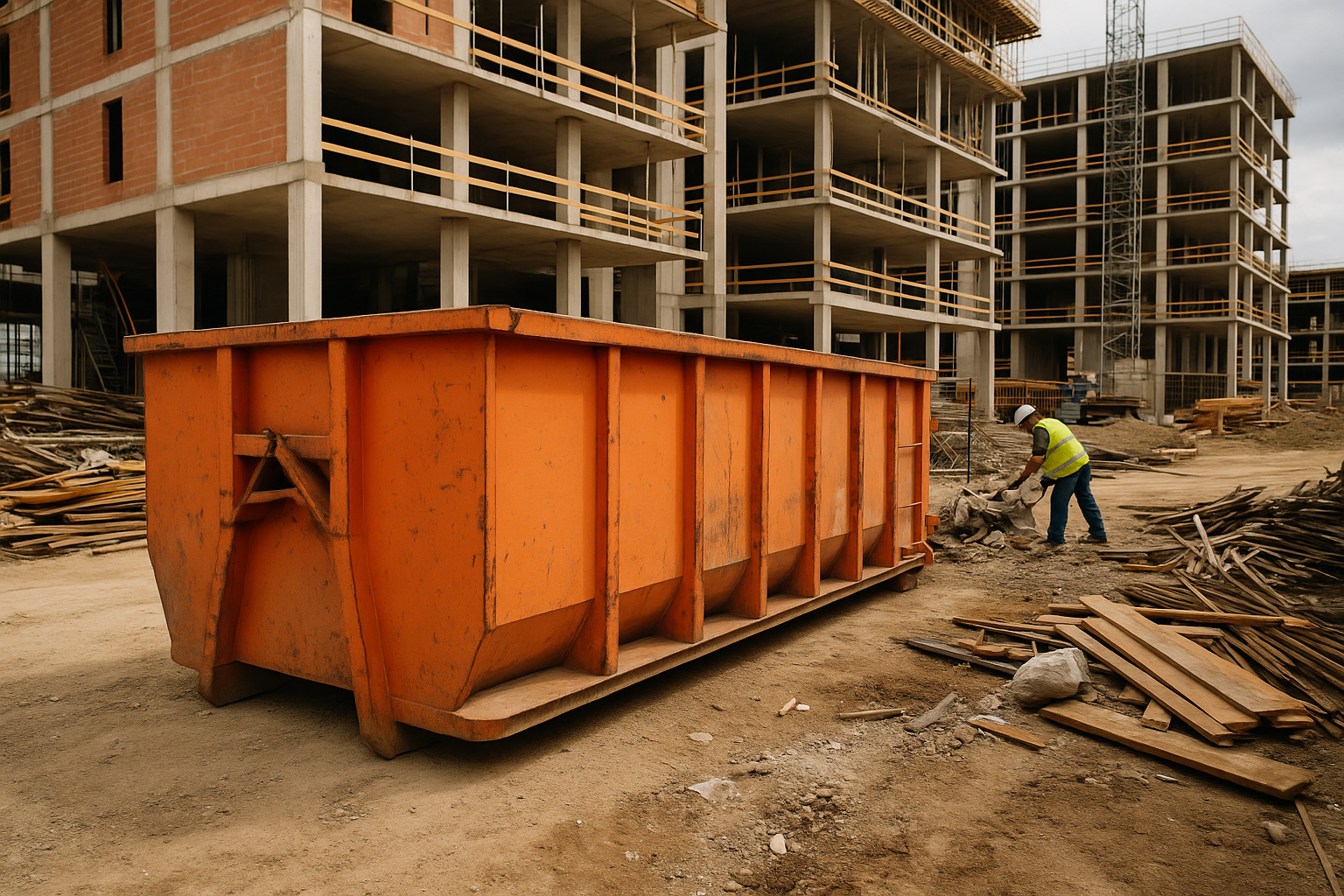
Roll-off dumpsters are heavy-duty, open-top containers delivered directly to your site. The design, with its robust steel walls and flat, rectangular shape, optimizes space and simplifies loading. They’re engineered for convenient loading with doors that swing open for easy access, making disposal efficient even for bulky waste. This ease of access is especially vital on sites where large or awkwardly shaped items must be discarded safely. After your dumpster is filled, the rental provider hauls it away and manages the waste responsibly, often sorting for recyclable materials. This full-service approach removes the stress of scheduling additional waste pickups and ensures compliance with local disposal regulations.
This service caters to a diverse range of needs, from modest home decluttering projects to large-scale commercial demolitions. No matter the size of the task, having a suitable dumpster on hand minimizes the back-and-forth traditionally involved in hauling debris away yourself. The flexibility and convenience of roll-off dumpster rentals make them a preferred choice for contractors and DIY enthusiasts alike. Being able to select the duration, size, and pickup frequency helps every project reach completion smoothly and with fewer waste-related interruptions.
Benefits of Using Roll-Off Dumpster Rentals
- Centralized Waste Collection: Keeping all waste in one designated container maintains order and reduces obstacles on the worksite, ensuring things move efficiently. The presence of a roll-off dumpster enhances team workflow by reducing the time spent searching for proper disposal sites and minimizing the likelihood of scattered debris causing project delays.
- Time Efficiency: With a dumpster on hand, workers spend less time hauling waste to distant bins or off-site locations, freeing up hours for core project tasks. This translates to more productive workdays and can even result in earlier project completion, which is beneficial for both homeowners and construction professionals. Simplifying debris disposal means crews can focus on what they do best, rather than wasting hours making multiple trips to the dump.
- Enhanced Safety: A tidy, debris-free site is essential for minimizing risks—less scattered waste means fewer slips, trips, and falls. Regularly clearing debris helps comply with OSHA safety standards and demonstrates a proactive approach to worker wellbeing. With risks addressed proactively, insurance claims and injury reports are less likely, further protecting your project’s bottom line.
- Environmental Responsibility: Many providers offer recycling options that ensure concrete, metals, and wood are processed for reuse rather than being sent directly to a landfill. Responsible sorting aligns with sustainability goals, and in many jurisdictions, it can help you meet green building requirements or qualify for environmental certifications. Partnering with a reputable dumpster rental company simplifies eco-friendly waste handling and encourages responsible resource management across the industry.
Choosing the Right Dumpster Size
Selecting the optimal dumpster size is one of the most important decisions for cost-effective and efficient debris management. The right choice depends on the scale of your project, the type of debris generated, and any local regulations regarding container placement. Overestimating can result in paying for unused space, while underestimating can lead to delays or additional rental fees. Avoiding these pitfalls requires realistic assessments and, if in doubt, consulting with your rental provider for advice that matches your unique requirements. Common sizes include:
- 10-Yard Dumpster: A fit for minor cleanouts or smaller remodeling projects. This size works well for single-room renovations or clearing out a garage full of household junk.
- 20-Yard Dumpster: Suits medium-sized projects, such as floor remodels or attic cleanouts. It’s also a versatile option for landscaping work or mid-size roofing jobs.
- 30-Yard Dumpster: Works well for larger renovation projects or new construction builds. If your job involves whole-house cleanouts, large-scale demolition, or significant structural alterations, this size offers ample space for debris.
- 40-Yard Dumpster: Designed for major commercial work or demolition jobs. Use this option for extensive construction sites that require handling significant quantities of heavy materials.
Best Practices for Dumpster Placement
Where you position your dumpster can affect both safety and efficiency. Place it on flat, solid ground close enough for convenient access but away from vital operations or paths, ensuring it does not block traffic or violate local regulations. Consider traffic flow, pedestrian areas, and the proximity to the debris source to minimize unnecessary carrying. Laying plywood under the dumpster’s wheels can prevent damage to driveways or soft surfaces. This is particularly important for residential sites or when renting containers for neighborhoods where property aesthetics and integrity are a concern. Proper placement isn’t just about project flow—it’s a compliance issue as well, as local ordinances often dictate acceptable areas for temporary container storage.
Cost Considerations
Budgeting for dumpster rentals requires understanding pricing structures. Typically, dumpster rental costs include three main charges:
- Dump Fee: The cost for disposing of contents at a landfill or recycling facility. This fee is typically based on the total weight or volume of collected debris and may vary depending on the type of waste being discarded.
- Haul Rate: Delivery and pickup fees, determined by the provider and potentially affected by distance. Some locations may have fixed rates, while others add fuel or logistical surcharges for remote sites, so get the details in writing in advance.
- Overage Fees: Extra charges if you exceed the dumpster’s weight limit. Staying mindful of these limits and communicating openly about anticipated loads can help you avoid unexpected expenses when final invoices arrive.
Being transparent with your provider about your expected waste type and amount can prevent surprises and keep your project on budget. Clear and honest communication also allows your rental provider to recommend the most cost-effective and efficient option.
Environmental Impact and Recycling
The disposal choices you make during a project have lasting environmental consequences. Responsible dumpster rental providers often sort and recycle materials such as concrete, scrap metal, and clean wood to minimize landfill use. Renting from environmentally conscious companies supports broader sustainability efforts within the construction industry and can even improve your project’s public image. This not only aligns with green building practices but also helps reduce project costs by recovering recyclable materials. Unsorted landfill dumping is increasingly discouraged, and in some areas, it may lead to financial penalties.
Final Thoughts
Roll-off dumpster rentals transform the way projects manage debris—centralizing, streamlining, and elevating the entire waste removal process. Even for small projects, the convenience and organizational benefits are clear. Incorporating these rentals into your planning, particularly when aligned with professional demolition services, ensures that your worksite remains safe, efficient, and environmentally responsible. By carefully considering size, placement, costs, and eco-friendly practices, you support both the success of your project and the well-being of your community. Taking a proactive approach to debris management not only contributes to project success but also makes a positive impact on your reputation and environmental footprint.