
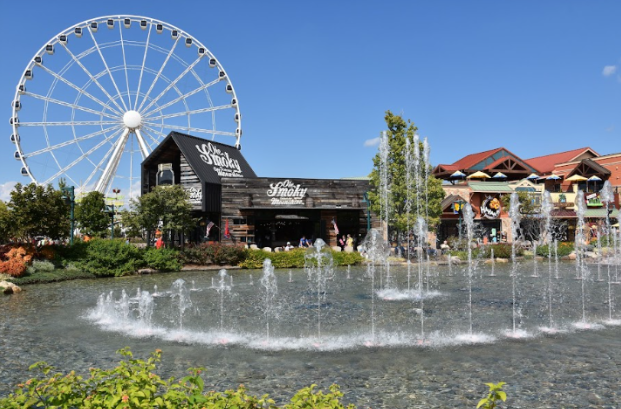
 Have you ever come back from a trip and felt like you only saw the surface of a place, not its real story? From quieter gems to bustling places like Pigeon Forge, Tennessee, travelers today are craving something deeper. Experience-based travel has become more than a trend; it reflects how people want to spend their time and money in a world that feels increasingly digital and disconnected.
Why Experience-Based Travel Is Taking Over
People are shifting away from collecting souvenirs and toward collecting moments. After years shaped by remote work, social media fatigue, and global uncertainty, many travelers want trips that feel meaningful rather than staged. This shift is easy to see in how younger travelers prioritize activities like cooking classes, guided hikes, and cultural workshops over traditional sightseeing.
It also connects to a broader societal trend: people are redefining what “value” means. Instead of luxury for its own sake, value now comes from connection, learning, and memory. A simple day spent learning to barbecue in Tennessee can feel more rewarding than a five-star hotel stay that looks impressive but feels empty.
Choosing Experiences That Actually Matter
Planning an experience-based trip starts with asking what you want to feel, not just what you want to see. Some travelers want excitement, others want calm, and many want a mix of both. The key is to match activities with your personal interests rather than following a generic itinerary.
For example, if you are visiting the Smoky Mountains, it might be tempting to focus only on scenic drives. However, adding a dinner show in Pigeon Forge to your itinerary can bring a completely different layer to your trip. Paula Deen’s Lumberjack Feud serves a hearty, all-you-can-eat supper buffet with dishes like Warm Rolls and Butter, Creamy Smashed Potatoes and Pit Smoked Pork Butt while you watch competitive lumberjack events unfold live. The mix of food, storytelling, and action creates a shared experience that feels lively and memorable rather than passive.
Research Like a Local, Not a Tourist
Scrolling through top ten lists will only get you so far because those recommendations often repeat the same crowded spots. Instead, look for local blogs, community forums, and small business websites that highlight lesser-known experiences.
A useful strategy is to search for events happening during your travel dates. Farmers markets, seasonal festivals, and local performances often reveal the personality of a place more clearly than major attractions. Even asking a hotel staff member where they spend their own weekends can lead to discoveries that never appear in guidebooks.
Build a Flexible but Intentional Itinerary
A common mistake is overpacking your schedule in an attempt to maximize every hour. Experience-based travel works better when you leave space for spontaneity while still having a clear structure.
Start by choosing one or two anchor experiences per day, such as a guided hike or a live show. Around those, leave open time for wandering, eating, or simply resting. This balance allows you to stay engaged without feeling rushed, which is essential if you want to actually enjoy what you planned instead of racing through it.
Budgeting for Experiences Without Overspending
Many people assume that unique experiences are automatically expensive, but that is not always true. In fact, some of the most memorable activities cost less than traditional tourist packages.
Set aside a specific portion of your budget for experiences rather than treating them as extras. Free or low-cost options like local walking tours, public performances, or self-guided food tastings can provide just as much value. At the same time, it is worth spending a bit more on one standout activity that truly excites you, rather than spreading your money thin across many forgettable ones.
Food as an Experience, Not Just a Meal
Dining has become one of the most powerful ways to connect with a place. Instead of choosing restaurants based only on ratings, think about what kind of story the meal tells.
Food experiences can include interactive elements like cooking classes, themed dinners, or regional specialties served in unique settings. Whether it is a backyard barbecue in Tennessee or a seafood boil on the coast, these meals often come with conversations, traditions, and a sense of place that goes far beyond the plate. Eating becomes something you participate in, not just something you consume.
The Role of Technology in Experience Travel
Technology has made planning easier, but it can also create pressure to curate the “perfect” trip for social media. Many travelers now feel caught between enjoying the moment and documenting it.
A practical approach is to use technology as a tool, not a distraction. Apps can help you find hidden spots, book experiences, and navigate unfamiliar areas. However, setting limits on screen time during your trip can help you stay present. Ironically, the less you focus on capturing the experience, the more meaningful it often becomes.
Traveling Responsibly and Respectfully
As experience-based travel grows, so does the importance of being mindful of the places you visit. Local communities can benefit from tourism, but they can also feel overwhelmed if visitors treat destinations like playgrounds rather than living spaces.
Choose businesses that support local workers and respect cultural traditions. Be aware of environmental impacts, especially in natural areas. Small actions, like following trail guidelines or reducing waste, contribute to preserving the very experiences you came to enjoy. Responsible travel is not just ethical; it ensures that these meaningful experiences remain available for others in the future.
Experience-based travel is not about chasing the next big thing. It is about paying attention, making thoughtful choices, and allowing yourself to engage fully with where you are. When done well, it turns a simple trip into something that stays with you long after you return home.