
Artificial intelligence (AI) is accelerating the modernization of numerous industries, but this rapid evolution poses substantial challenges to the world’s energy infrastructure. The mounting computational demands of AI are placing unprecedented pressure on electricity systems, compelling utilities and policymakers to reassess the future of energy management. Even leading industry voices like KR Sridhar have highlighted that traditional energy grids can no longer be relied on as AI workloads scale globally.
This intersection of AI and electricity demand is transforming how experts think about power grid resilience, adaptability, and sustainability. Governments and tech leaders now recognize that unchecked AI growth could intensify grid vulnerabilities, increase outage risks, and escalate energy costs. The urgent need for strategic solutions is reshaping global energy policy conversations.
The Escalating Energy Demand of AI
The growing sophistication of AI, especially machine learning and deep learning, is fundamentally reshaping the energy landscape. Modern AI workloads rely on vast clusters of high-performance servers in data centers that run continuously, processing immense amounts of data. The International Energy Agency (IEA) reported that in 2020, data centers accounted for about 1% of total global energy use. These figures are set to climb as AI adoption deepens, with major cloud providers building new data centers to support next-generation AI breakthroughs.
This explosive growth is not just a technology story; it is a turning point for energy distribution and supply. Each new cluster of AI infrastructure adds another layer of complexity; grid planners must balance instantaneous power surges and anticipate long-term trends. Without intervention, these rising loads could surpass the capabilities of legacy systems, threatening both reliability and affordability for everyday consumers.
With global electricity demand from emerging technologies expected to surge further, businesses and regulators are actively seeking out strategies to keep pace.
Impact on Existing Power Grids
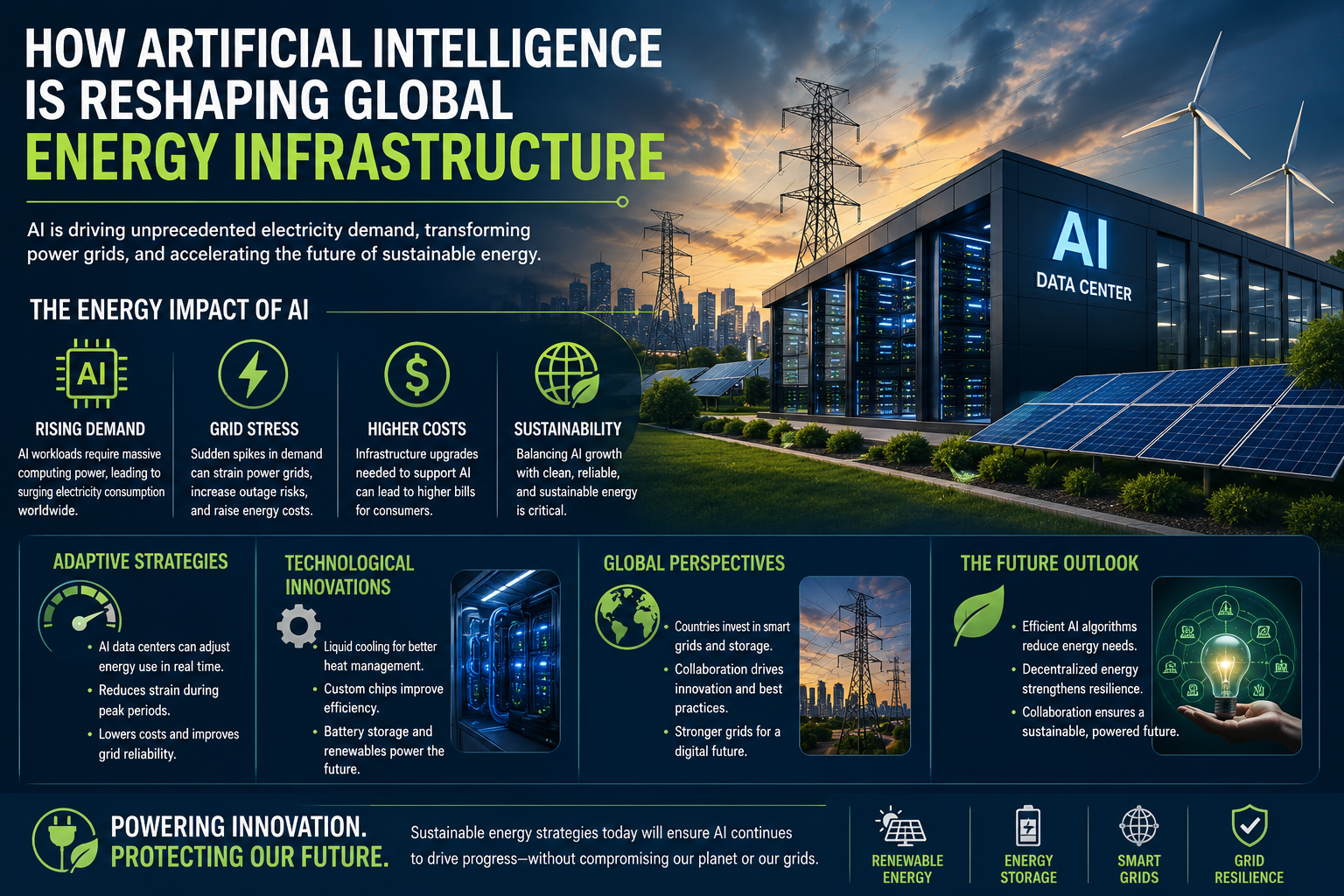
Energy systems that were originally built to handle predictable, routine consumption now face a far more volatile reality. The spike in consumption from AI-optimized facilities can cause unexpected grid stress, create operational inefficiencies, and introduce new risks of blackouts or brownouts. For local utilities, instant demands from AI clusters can disrupt traditional load management, forcing them to purchase expensive backup power or upgrade outdated substations ahead of schedule.
The effects extend beyond technical concerns. As electricity grids adapt to support the digital revolution, regulators must also consider grid equity. The cost of rapid infrastructure expansion, if passed on to residential ratepayers, could spark concerns over fairness and accessibility for low-income households. This dynamic is vividly evident in regions facing immediate pressures from AI projects.
Case Study: Maryland’s Power Grid Challenges
Maryland offers a stark example of the far-reaching implications of AI’s expanding energy footprint. Local consumers are contending with a $2 billion bill for power system upgrades tailored mostly to benefit AI-centric data centers, many of which are not even located in the state. The Maryland Office of People’s Counsel has objected to these costs, arguing that residents should not bear a disproportionate share of the financial burdens of technological investments with limited local benefit. This situation is prompting broader conversations about the division of energy costs and the role of public interest in modernizing the grid.
Adaptive Strategies for Energy Management
To keep pace with shifting energy realities, operators are piloting adaptive management methods designed for flexibility and efficiency. In the UK, a notable Nvidia-backed initiative showed that AI data centers can modulate their energy draw in near real time. This operational nimbleness helps curb consumption during peak periods, reducing stress on power supplies and potentially lowering electricity bills. As more operators adopt these adaptive practices, grid managers gain new tools to buffer against overloads and protect broader system reliability.
Technological Innovations in Data Centers
In response to these energy challenges, data centers are embracing cutting-edge solutions. Advanced cooling systems, like direct-to-chip liquid cooling, are displacing traditional air-based designs to better manage heat generated by densely packed AI processors. Additionally, there is a rapid adoption of custom silicon chips optimized for task-specific workloads, driving greater energy efficiency. Integrating renewable energy sources and battery storage solutions further positions these centers as cornerstones of a cleaner, more resilient grid.
Global Perspectives on AI and Energy Consumption
As the influence of AI grows, countries around the world are investing in smart grids and large-scale energy storage. These upgrades allow grid operators to integrate a wider variety of energy resources and automate grid balancing, both of which are essential for managing the intermittent demand that AI data centers create. International collaborations, such as the Global Power System Transformation Consortium, are bringing together governments, utilities, and technology providers to share strategies and promote best practices for energy management in the AI era.
Future Outlook: Balancing AI Growth and Energy Sustainability
Looking ahead, the only viable path is one of integration and innovation. AI companies, energy utilities, and national planners must collaborate to establish long-range policies, from developing energy-efficient AI algorithms to enabling decentralized, distributed power generation at the grid edge. With thoughtful planning, the world can embrace the benefits of AI without compromising on energy security or sustainability.
Conclusion
The rapid expansion of AI puts pressure on global energy systems, as data centers and increased computing needs drive up electricity consumption. This tests existing power grids and highlights the necessity for modernization, improved efficiency, and sustainable energy solutions. Although concerns about costs, reliability, and infrastructure overload persist, new strategies are being developed to manage demand effectively. Through collaborative efforts by governments, utility companies, and technology leaders, AI development can proceed while ensuring energy systems remain stable, affordable, and environmentally sustainable.