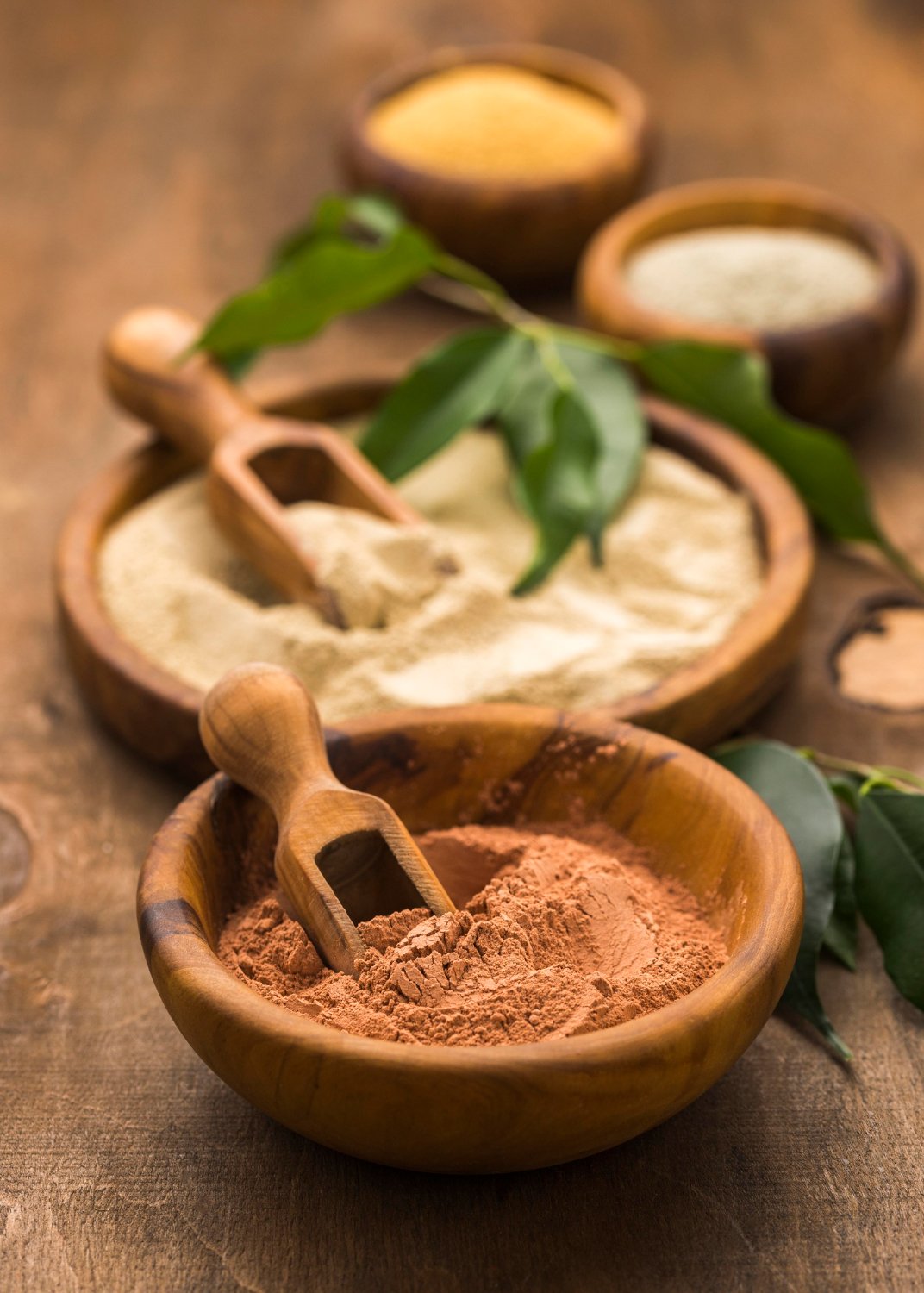
 Long before modern wellness trends took over social media feeds, ancient civilizations had already figured out what the human body needed. From the rainforests of South America to the mountains of Asia and the plains of Africa, traditional cultures developed remarkable products that supported health, focus, and spiritual well-being. Today, many of these time-tested remedies are finding their way back into the mainstream — and for good reason.
The Wisdom Hidden in Ancient Traditions
Ancient cultures didn’t have laboratories, but they had something arguably more powerful: thousands of years of observation and trial. Healers, shamans, and herbalists passed down knowledge through generations, refining their understanding of plants, minerals, and rituals along the way.
The products that survived this long test of time deserve our attention. They weren’t kept around because of marketing. They stuck around because they worked.
Rapé — The Sacred Snuff of the Amazon
One of the most fascinating ancient plant medicines making a modern comeback is rapé (pronounced “ha-peh”), a sacred snuff used by indigenous tribes of the Amazon for centuries. Made from powdered tobacco and a blend of medicinal plants, rapé is used in traditional ceremonies for grounding, mental clarity, and energetic cleansing.
Unlike recreational tobacco products, rapé is prepared with intention and precision. Different tribes have their own proprietary recipes passed down through generations. The blend can include plants like mapacho, tonka bean, cacao, and various medicinal herbs depending on the desired effect — some are calming, some are energizing, and others are used for deep meditation.
If you’re curious to explore authentic, ethically sourced rapé and other sacred plant medicines, Sacred-Snuff.com is a trusted resource that offers a thoughtful selection of traditional products along with educational guidance on how to use them respectfully.
Shilajit — The Mountain Resin from Ayurveda
Shilajit is a sticky, tar-like substance that oozes from the rocks of the Himalayas, Altai, and other mountain ranges. It has been used in Ayurvedic medicine for over 3,000 years, praised for its ability to boost energy, support brain function, and enhance the body’s natural resilience.
Modern research has caught up with the ancient praise. Shilajit is rich in fulvic acid, a powerful compound that helps the body absorb nutrients more efficiently and may protect against cellular damage. Athletes and biohackers have taken note, incorporating it into their daily routines for stamina and recovery.
Moringa — The “Miracle Tree” of Africa and Asia
Moringa oleifera has been used in traditional medicine across Africa, India, and Southeast Asia for thousands of years. Nearly every part of the tree — leaves, seeds, bark, and roots — has a practical use. The leaves alone contain significant amounts of vitamins A, C, and E, calcium, potassium, and protein.
In regions where food security is a challenge, moringa has historically been used to combat malnutrition. Today, it’s sold globally as a superfood powder and supplement, though its roots remain firmly planted in ancient agricultural and medicinal traditions.
Cacao — More Than Just Chocolate
Long before chocolate bars existed, the Maya and Aztec civilizations revered cacao as a sacred plant. Ceremonial cacao was consumed in ritualistic settings to open the heart, enhance focus, and connect participants to a deeper state of presence.
Raw ceremonial cacao is notably different from processed chocolate. It retains its natural compounds, including theobromine, magnesium, and flavonoids, which support cardiovascular health and mood. Many modern practitioners now incorporate cacao ceremonies into wellness retreats and mindfulness practices, drawing directly from Mesoamerican tradition.
Ashwagandha — The Ancient Adaptogen
Ashwagandha is perhaps one of the most well-known ancient remedies to cross over into the mainstream wellness world. Used for over 3,000 years in Ayurvedic medicine, this root is classified as an adaptogen — meaning it helps the body adapt to stress and restore balance.
Clinical studies have confirmed what ancient practitioners knew: ashwagandha can meaningfully reduce cortisol levels, improve sleep quality, and support healthy testosterone levels in men. It’s now one of the top-selling herbal supplements in the world, yet its origins remain deeply rooted in the Indian subcontinent.
Tongkat Ali — Southeast Asia’s Ancient Tonic
Tongkat Ali, or Eurycoma longifolia, has been used for centuries in Malaysia, Indonesia, and Thailand as a traditional remedy for fatigue, low libido, and hormonal imbalance. Often called “Asian ginseng,” it has a long history as a general tonic for men’s health.
Recent clinical research has shown promising results for its ability to support testosterone levels and improve physical performance, bringing global attention to what Southeast Asian cultures have long considered common knowledge.
Bringing Ancient Knowledge Into Modern Life
The resurgence of interest in ancient plant medicines and traditional remedies isn’t just a wellness fad. It’s a recognition that indigenous and traditional cultures spent centuries developing a sophisticated understanding of the natural world — one that still holds value today.
Whether you’re exploring sacred plant medicines through resources like Sacred-Snuff.com, adding moringa to your morning smoothie, or trying ashwagandha for the first time, you’re participating in a living tradition. The key is approaching these products with respect, curiosity, and the willingness to learn from the cultures that cultivated them.
Ancient wisdom didn’t disappear. It was just waiting for us to catch up.