
Managing cash flow is a constant challenge for many small business owners. Unpaid invoices can tie up much-needed funds, causing delays in projects and making it difficult to meet payroll or invest in growth opportunities. Fortunately, solutions like receivables funding are available to unlock the value of your outstanding invoices and provide your business with the liquidity it needs.
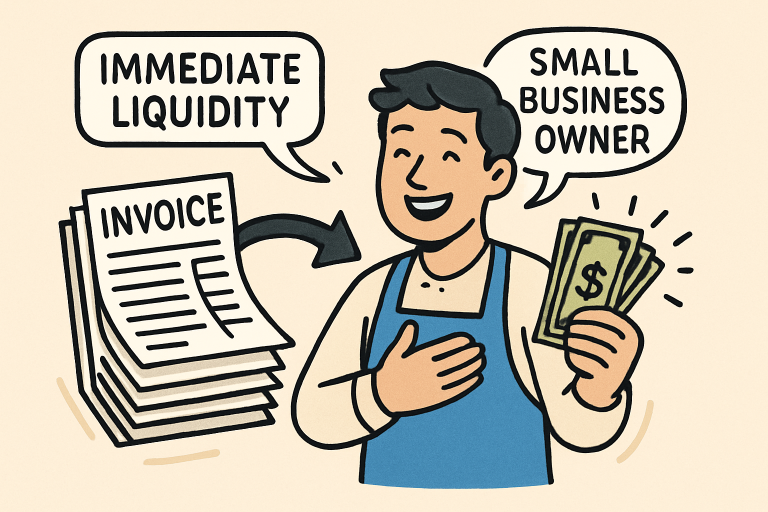
This financial strategy empowers small businesses by letting them convert invoices into immediate cash rather than waiting weeks or even months for customers to pay. By improving financial flexibility, invoice financing addresses a critical pain point for growing companies eager to invest in expansion or cover everyday costs.
In today’s competitive business environment, having quick access to cash can make the difference between seizing a new opportunity and standing still. Invoice financing removes the uncertainty of late payments and helps establish stability. For more insights into how this tool works, keep reading as we break down its benefits and challenges for small businesses.
Understanding the available options and their impact is essential for informed financial decision-making. According to recent research from Forbes Advisor, invoice financing is becoming an increasingly popular way for businesses to regain control over working capital and grow sustainably.
What Is Invoice Financing?
Invoice financing is a type of asset-based lending that allows businesses to receive advances against the value of their unpaid invoices. This method is particularly valuable for companies with long customer payment cycles or inconsistent cash flow. Rather than waiting for payment, businesses can receive a significant portion of the invoice value upfront. The process involves a third-party provider, usually a financial institution or specialist lender, who takes over the collection of the invoice and provides funds minus a small fee.
Benefits for Small Businesses
- Improved Cash Flow: Quick access to working capital enables companies to manage daily expenses efficiently, prevent operational bottlenecks, and avoid missing key opportunities.
- Growth Opportunities: Ready funds mean small businesses can confidently invest in inventory, marketing, staff, or new tech, all of which are essential for scaling operations.
- Flexible Financing: Invoice financing is not based on business credit scores but rather on customers’ creditworthiness, making it accessible even to businesses that may not qualify for traditional bank loans.
For small businesses seeking actionable advice, the U.S. Small Business Administration (SBA) outlines the value of using alternative financing to strengthen long-term stability and profitability.
How It Works
- Invoice Submission: After performing a service or delivering goods, the business submits unpaid invoices to an invoice financing provider.
- Advance Payment: The provider advances a percentage (typically 85-90%) of the invoice amount almost immediately, providing rapid access to cash.
- Customer Payment: The end customer pays the invoice amount directly to the financing provider.
- Final Settlement: Once the customer pays, the financing provider releases the remaining balance to the business, deducting service fees.
This streamlined approach can make a significant difference for small businesses, offering a solution that bridges the gap between delivering services and receiving payment.
Choosing the Right Provider
Selecting the appropriate invoice financing provider is key to ensuring a smooth and beneficial relationship. Consider the provider’s track record by looking for client testimonials and checking their standing with industry organizations. Examining the fee structure is crucial since some providers may charge hidden or excessive fees that can erode profits. Finally, review the terms and contract flexibility to make sure they align with your business goals and growth plans.
- Reputation: Look for transparent providers supported by positive client feedback.
- Fees: Carefully evaluate the cost structure and ask for a comprehensive breakdown before committing.
- Terms: Seek providers that offer flexibility regarding contract duration, minimum invoice amounts, and other key aspects.
Potential Challenges
While invoice financing presents many advantages, business owners should be aware of potential pitfalls. The cost of financing can accumulate over time, especially if invoices remain unpaid for extended periods. Involving a third party in the collections process may strain customer relationships, particularly if the provider uses aggressive collection tactics. Lastly, not all invoices may qualify for financing, especially those issued to higher-risk customers or those operating in industries with volatile payment histories.
- Cost: Be mindful that fees can eat into profit margins and may vary based on how long it takes customers to pay.
- Customer Relationships: Involving an external party in collections can alter the dynamics of your client relationships.
- Eligibility: Certain invoices may not be approved, depending on the customer’s financial reliability or the industry’s risk profile.
Conclusion
Invoice financing stands out as an effective financial tool for small businesses looking to alleviate cash flow pressures and fund expansion plans. By understanding how it works, carefully assessing providers, and weighing the benefits against the potential drawbacks, businesses can utilize invoice financing to foster stability and support scalable growth. Entrepreneurs who remain proactive about their financial options will find themselves better positioned to navigate challenges and capitalize on new opportunities as they arise.