When dealing with real estate transactions, fully understanding how commissions are handled is essential for both buyers and sellers. Brokers must adhere to strict legal guidelines, and violations can have serious consequences. If you suspect your broker may have violated commission laws, knowing what signs to watch for helps you protect your interests. To dive deeper into how to address unwarranted or improper deductions, click here. Being proactive ensures you will not lose your rights or be taken advantage of financially.
Real estate commissions are governed by agreements, state laws, and professional standards. While most brokers act with integrity, occasionally, commission laws are ignored or misunderstood. Recognizing the warning signs empowers you to respond promptly and assert your rights throughout the process. By staying vigilant, you can spot questionable practices before they cause harm.
The consequences of commission law violations can extend beyond a single transaction. Improper deductions or unauthorized commissions impact your final proceeds and may signal broader ethical or legal issues. Educating yourself about commission rules and keeping detailed records creates a line of defense if your broker’s actions become suspect.
Overview of Real Estate Commission Laws
Real estate commissions are usually a percentage of the property’s final sale price, negotiated in advance and included in the broker-client agreement. State laws regulate how these commissions are disclosed, earned, and paid. Brokers must follow the written agreement, notify clients of any changes, and comply with disclosure requirements. Violations occur when brokers take fees not outlined in the contract, fail to disclose their commission structure, or split commissions illegally.
According to the National Association of Realtors Code of Ethics, brokers are also required to treat all parties honestly, provide transparent communication about fees, and avoid conflicts of interest. States may also impose licensing and education requirements to prevent misconduct in handling commissions.
Common Signs of Broker Commission Violations
Unexplained or Hidden Fees
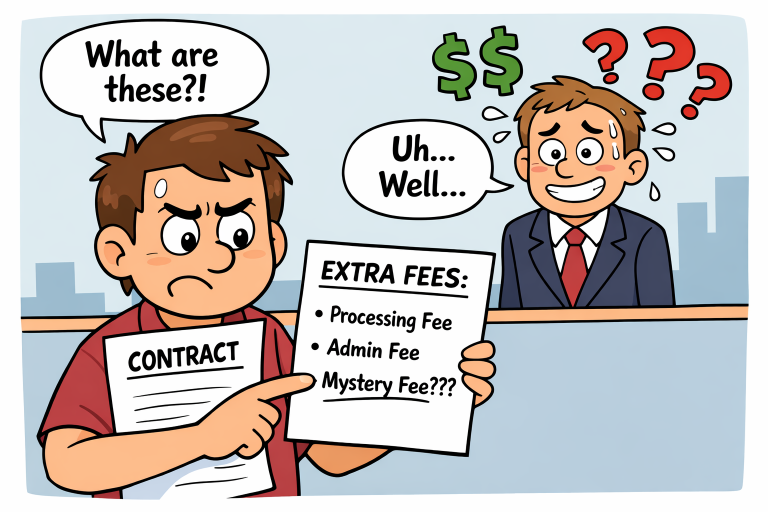
If your settlement statement or closing disclosure lists fees you did not agree to or that lack explanation, this is a red flag. Examples include administrative or processing charges tacked on without prior discussion. Sometimes, excessive fees are disguised as “marketing” or “consulting” fees.
Double Charging for Services
Brokers should never bill you twice for the same service. If you notice a marketing fee charged both in the commission and separately, this could indicate double-dipping. Legitimate expenses should always be clearly itemized.
Unauthorized Commission Splits
Commission splits must be disclosed and agreed upon. Brokers are required to inform you if they are sharing their commission with other agents or third parties. Hidden splits or referral fees taken without your consent are violations of both state law and industry standards.
Commissions Higher Than Industry Standard
While commission rates vary, charges far above the market average with no clear justification may indicate abuse. You have the right to question rates and compare offers from multiple brokers.
Your Rights as a Client
As a client, your primary right is to full disclosure regarding how your broker earns their fee. All charges and deductions must be documented in the agreement, and brokers cannot change terms without your written consent. You are entitled to review, question, and negotiate commission structures before signing any contract. Additionally, you have the right to detailed invoices and timely communication during each transaction phase.
Steps to Take If You Suspect a Violation
- Review Your Contract: Carefully read your broker agreement, looking for anything that might contradict the charges or deductions at closing.
- Request Documentation: Ask your broker for detailed, itemized invoices. Compare these against your agreement and industry norms for accuracy.
- Communicate Concerns Promptly: Contact your broker in writing with your concerns and request an explanation for any questionable charges or discrepancies.
- Document Everything: Keep copies of all agreements, invoices, communications, and transaction records. This evidence is vital if escalation becomes necessary.
- Seek Legal or Regulatory Guidance: If issues are not resolved, contact your state’s real estate licensing board or a qualified attorney. You can also file a formal complaint with your local real estate commission. The Consumer Financial Protection Bureau (CFPB) is another helpful resource if your complaint involves mortgage-related issues.
Resources and External Support
Several resources can help you better understand your rights and next steps if you suspect commission violations:
- National Association of Realtors Code of Ethics
- United States Department of Justice: Antitrust Division
- Consumer Financial Protection Bureau: Ask CFPB
Conclusion
Your broker owes you honesty, transparency, and fairness in all financial dealings, especially commission arrangements. If you spot unexplained fees, unauthorized charges, or discover your broker has deviated from your agreement, act quickly to investigate and pursue your rights. Careful documentation and assertive action help ensure your real estate transaction ends successfully and lawfully. By arming yourself with knowledge and utilizing available resources, you can confidently handle any commission law challenges that arise.